
Planting
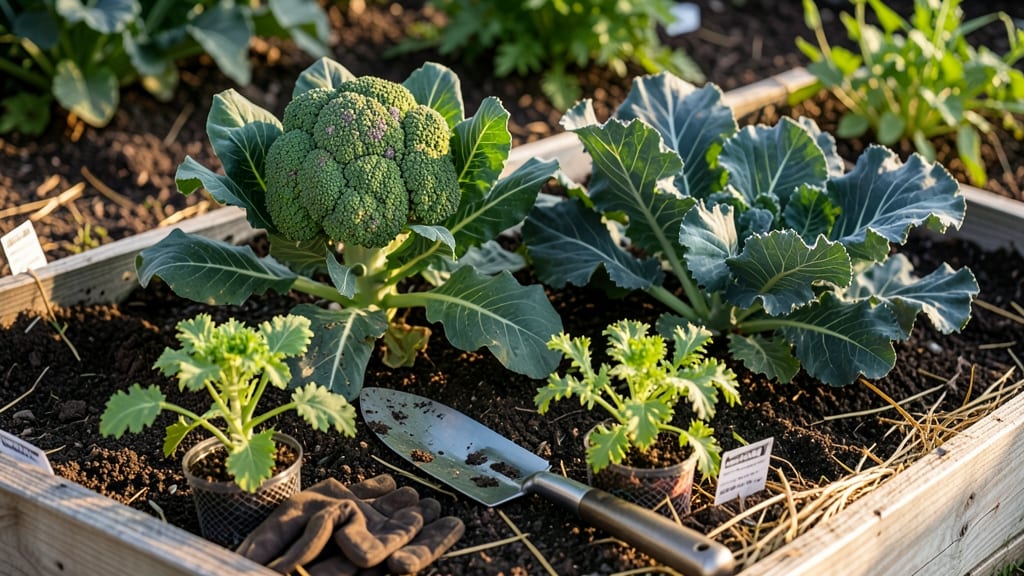
When to plant a fall garden in North Texas isn’t just about luck—it’s about locking in the perfect window between sweltering summer and early frost. Plant your 🥬 fall garden vegetables too soon, and you’ll fight heat stress; too late, and frost steals your harvest before you even taste those homegrown greens.
Here’s the secret: North Texas’s 8a zone gives you a narrow but golden window—mid-August to mid-October—to plant cool-season crops like lettuce, kale, and carrots. The key is starting 60-90 days before the first frost (usually by mid-October), so your plants mature just as temperatures dip.
But it’s not just about dates—soil prep and microclimates matter too. Urban areas stay warmer than rural spots, and a single degree can mean the difference between a thriving garden and a failed one.
I’ll show you how to adjust for your specific heat zone and avoid the top 5 mistakes that wreck fall gardens every year.
Ready to grow a harvest that outlasts the heat? Let’s break down the exact planting schedule, soil tricks, and frost-proofing tips so you can enjoy fresh 🥬 fall garden vegetables straight from your backyard until December—or until the first hard freeze.
Fall planting calendar for North Texas heat zones 8a and 8b: exact dates by vegetable type
North Texas gardeners in USDA Zones 8a and 8b face a unique challenge: the first frost typically arrives November 15, but summer heat lingers until early September.
To maximize your fall harvest, timing is critical—plant too early, and you’ll battle 90°F+ soil; too late, and frost ruins tender crops. The solution? A strategic planting calendar tailored to your heat zone and crop type.
For cool-season vegetables, aim to plant 60-90 days before the first frost. This means starting seeds indoors by mid-July for transplants ready by late August, or direct-sowing seeds by early September.
Leafy greens like kale and spinach are more frost-tolerant, while root crops like carrots and beets need a longer growing window.
Here’s your North Texas Fall Planting Guide, broken down by crop category with exact dates for Zones 8a and 8b. Use this as your roadmap to avoid common mistakes like overcrowding seedlings or ignoring soil temperature.
For Zone 8a, where frosts arrive slightly earlier, prioritize earlier plantings (e.g., carrots by August 15) and use row covers to extend harvests. In Zone 8b, you have a 10-day buffer—perfect for succession planting leafy greens every 2 weeks until October 5.
Pro tip: Soil temperature is your secret weapon. Use a soil thermometer—ideal temps for fall crops are 50-75°F. If your soil is still above 80°F in late August, wait or use shade cloth to cool it down. This prevents bolting in greens and stunted growth in roots.
Don’t overlook late-summer soil prep. Amend your beds with compost and aged manure in July to give nutrients time to integrate. Test your soil’s pH (6.0-7.0 for most veggies)—North Texas clay can be alkaline, so add sulfur or peat moss if needed.
For frost-sensitive crops like bush beans and cucumbers, plant by mid-September and harvest before October 15. If you’re tempted to push it, use black plastic mulch to warm soil and frost cloth to protect young plants. Just remember: no crop beats frost—even with covers!
Plan for <
How to adjust planting dates for North Texas microclimates: urban vs. rural considerations
North Texas isn’t one-size-fits-all when it comes to planting dates. Urban areas like Dallas and Fort Worth can be 5-10°F hotter than rural zones due to the urban heat island effect. This means your last planting window might shrink by 10-14 days compared to countryside farms.
For example, while rural Zone 8b gardeners might safely plant spinach in early October, urban gardeners should start by mid-September to avoid heat stress. Soil temperatures in cities stay warmer longer, delaying the cool-down needed for cool-season crops.
Rural areas, however, often face cooler nights and faster frost risks due to wind exposure. If you’re in open prairie zones, aim to plant broccoli by late August—not September—to ensure it matures before November’s first frost.
Wind exposure also plays a role. Gardens near open fields or highways lose heat faster at night, potentially triggering early frost damage. Use row covers or windbreaks (like tall grasses or fencing) to protect tender seedlings.
Even within cities, microclimates vary by neighborhood. A garden in shady oak canopies (like in Old East Dallas) stays cooler longer, while paved parking lots (like in Downtown Fort Worth) create heat pockets.
Test your spot by checking shade patterns at solar noon—if it’s hotter than 90°F, delay planting.
For maximum flexibility, start seeds indoors 4-6 weeks before your target outdoor date. This buys you 2-3 extra weeks to transplant hardened-off seedlings once soil temps drop below 85°F.
Pair this with row covers to push harvests into December—just remove covers during the day to prevent overheating.
Pro tip: Track your local frost dates for 3 years to spot trends. North Texas’ first frost can vary ±10 days yearly—use AgriLife’s frost maps as a baseline, then adjust based on your personal microclimate data. 🌱