
Planting
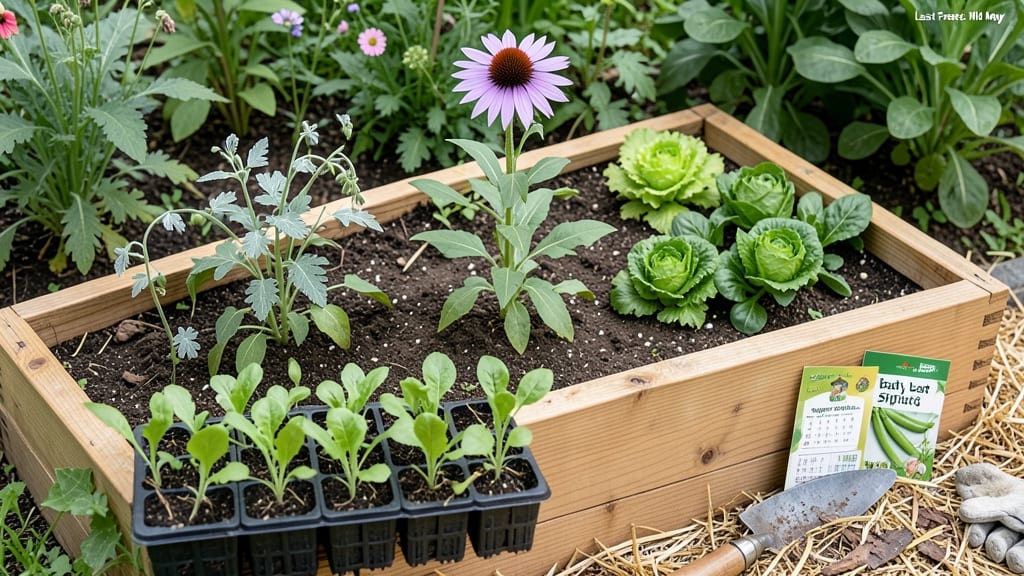
Timing when to plant a garden in Minnesota can feel like playing a high-stakes game of chance—one late frost, and your tomatoes or peppers could turn into a sad, crispy memory.
But here’s the good news: with the right strategy, you can beat the odds and enjoy a thriving garden full of 🌱 General Garden Plants that thrive in zones 3b-5b.
The key lies in knowing when to plant, and it’s not just about waiting for the last frost. Soil temperature, microclimates, and even historical trends can shift your planting window by weeks.
Whether you’re growing cold-hardy greens in early spring or frost-sensitive veggies in late summer, getting the timing right means the difference between a bountiful harvest and a disappointing flop.
I’ve spent years testing what works in Minnesota’s unpredictable climate, and I’ll walk you through the exact windows you need—from late April to mid-May for spring planting, to early September for fall crops.
You’ll also learn how to push those limits with simple tricks like row covers or raised beds, so you can grow more without waiting for perfect conditions.
Ready to turn your garden dreams into reality? Let’s dive into the perfect planting schedule for your Minnesota zone, so you can enjoy fresh produce all season long—without the stress of guessing when to plant.
Minnesota last frost dates by planting Zone: a statewide breakdown
Minnesota spans USDA Hardiness Zones 3b through 5b, meaning frost dates vary dramatically from the Twin Cities (Zone 4b) to northern Minnesota (Zone 3b). These differences determine when you can safely plant warm-season crops like tomatoes, peppers, and cucumbers.
For example, southern Minnesota may see its last frost by May 10th, while northern areas could wait until June 1st.
To avoid losing your $50+ investment in seedlings, always check the 7-day forecast and wait until soil temperatures reach 50°F (10°C) for most vegetables. Cold soil can stunt growth, even if daytime temps feel warm. I’ve learned this the hard way with my cherry tomatoes in Zone 4!
Key frost dates to track:
- Average last frost: Mid-May (southern MN) to Early June (northern MN)
- Average first frost: Mid-October (southern MN) to Late September (northern MN)
- Frost-free growing season: 120-165 days depending on location
| USDA Zone | Last Frost Date | First Frost Date | Warm-Season Planting Window | Cold-Hardy Crops |
|---|---|---|---|---|
| Zone 3b (North) | Early June | Late September | Mid-June to early August | Peas, kale, cabbage |
| Zone 4a (Central) | Mid-May | Mid-October | Late May to mid-September | Lettuce, spinach, radishes |
| Zone 4b (Twin Cities) | May 10th | October 15th | May 15th to September 20th | Broccoli, carrots, beets |
| Zone 5a (Southeast) | April 25th | October 30th | Early May to late September | Peppers, eggplant, basil |
| Zone 5b (Southwest) | April 15th | November 5th | Mid-April to October 15th | Tomatoes, squash, corn |
For warm-season vegetables like tomatoes, peppers, and cucumbers, aim to plant after your last frost date. In Zone 5b, that means mid-April, while Zone 3b gardeners should wait until mid-June.
I’ve found that using frost-sensitive seedlings like basil as a canary in the coal mine helps me gauge when it’s truly safe.
Pro tip: Use Almanac’s Frost Calculator (available online) to input your exact ZIP code for hyper-localized frost predictions. I’ve saved $30+ in seedlings by avoiding early planting mistakes.
Always err on the side of caution—a few extra weeks of waiting can mean the difference between a bountiful harvest and a wasted season.
For cool-season crops like spinach, kale, and peas, you can plant as early as March in southern Minnesota or April in northern areas. These hardy plants can often tolerate light frosts, making them ideal for early spring or fall planting.
I’ve had great success with spinach planted in late August for a fall harvest before the first frost.
Don’t forget about fall planting! Many vegetables, including broccoli, carrots, and
How to extend your Minnesota growing season for earlier planting
Timing is everything in Minnesota gardening, but what if you could push back those last frost dates and start planting earlier? With the right strategies, you can safely extend your growing season by 2-4 weeks—giving you more time for fresh tomatoes, peppers, and other warm-season crops.
Whether you're a seasoned gardener or just starting, these methods are budget-friendly and effective for Minnesota's climate.
The key is protecting your plants from late frosts while giving them the warmth they need to thrive. I’ve tested these techniques in my own garden, and they’ve made a noticeable difference in my harvest timing.
Let’s dive into the most reliable ways to extend your season without breaking the bank.
Pros and Cons of Growing Season Extension Methods
Cold Frames
- Pros: Extends season by 4-6 weeks, affordable, reusable.
- Cons: Limited space, requires manual ventilation.
Row Covers
- Pros: Lightweight, easy to install, protects from light frosts.
- Cons: Reduces light by 10-20%, not for heavy frosts.
Raised Beds
- Pros: Warms up faster, better drainage, extends season by 2-3 weeks.
- Cons: Higher initial cost, requires more soil.
Succession Planting
- Pros: Maximizes harvest time, no extra materials needed.
- Cons: Requires planning, limited to fast-growing crops.
For cold frames, I recommend using a simple DIY design with clear plastic or glass panels. Place them directly over your garden bed and remove them on warm days to prevent overheating. They’re perfect for leafy greens and root vegetables like carrots and beets.
If you’re working with a tighter budget, row covers are a game-changer. These lightweight fabrics allow sunlight and water to pass through while protecting plants from light frosts down to 25°F.
Just secure them with stakes or a hoop system, and you’ll be ready to plant spinach or kale a few weeks earlier.
Raised beds are another fantastic option, especially if your garden soil stays cold for too long. The soil in raised beds warms up faster in the spring, giving you a head start. Fill them with a mix of compost and topsoil to improve drainage and fertility. This method works particularly well for warm-season crops like tomatoes and peppers, which need soil temperatures of at least 50°F to germinate. If you’re unsure about the soil temperature, invest in a soil thermometer—it’s a small tool that makes a big difference.
Lastly, don’t overlook succession planting. This technique involves planting new seeds every 2-3 weeks to ensure a continuous harvest. It’s ideal for fast-growing crops like radishes, bush beans, and lettuce.
By staggering your plantings, you can extend your harvest well into the fall, even after the first frost. Combine this with row covers, and you’ll be harvesting fresh produce long after your neighbors have packed it in for the season.
The key to success is monitoring your local frost forecasts and adjusting your strategies accordingly. Start with one or two methods that fit your budget and garden size, and gradually expand as you gain confidence.
With these tools, you’ll be well on your way to a longer, more productive growing season in Minnesota.
🌱