
Planting
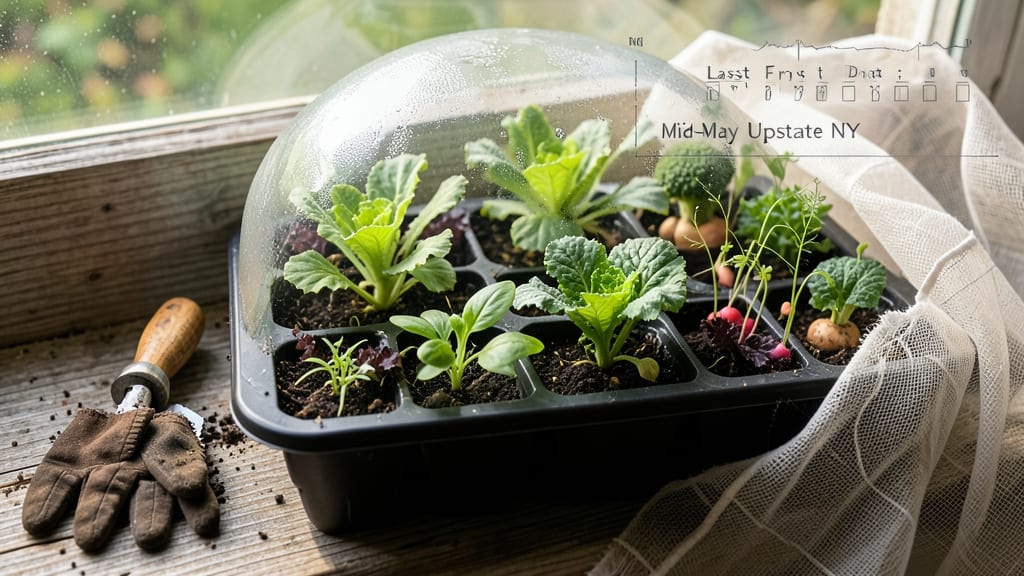
Timing your garden planting in Upstate NY wrong can mean the difference between a thriving harvest and wasted effort—especially when last frost dates vary 2-3 weeks between the Adirondacks and Finger Lakes.
I’ve spent years tracking soil temperatures and frost patterns here, and the key to success isn’t just waiting for spring. It’s knowing when your 🌱 garden needs to go in based on what you’re growing—whether it’s cold-hardy kale or heat-loving tomatoes.
In this guide, I’ll break down the exact planting windows for Upstate NY’s USDA Zones 4-6, including soil temp tricks to outsmart unpredictable weather. You’ll learn how to adjust for microclimates, too.
No more guessing—just a foolproof schedule to get your garden off to the fastest, easiest start possible. Let’s dig in.
Upstate NY frost dates & soil temperature guide for planting
Upstate NY spans USDA Zones 4-6, meaning frost dates vary wildly—from late May in the Finger Lakes to early June in the Adirondacks. Your planting success hinges on two critical factors: soil temperature and last frost dates.
For cool-season crops like spinach, aim for soil temps of 40-50°F, while warm-season tomatoes need 60-70°F to thrive. Without this timing, even hardy plants bolt or fail to germinate.
Local weather tools like the National Weather Service or Cornell University’s frost date maps are your best friends. For example, Syracuse averages its last frost around May 15, but Albany can be two weeks earlier.
Always plant after the average last frost—not before—and use row covers if early planting is tempting. A single late frost can wipe out seedlings overnight.
Here’s the non-negotiable rule: Wait until soil temps consistently stay above 50°F for warm-season crops. Use a soil thermometer (only $10) to check—surface temps can be misleading. For cool-season crops, plant 4-6 weeks before your last frost to ensure a head start.
Pro tip: Peas and lettuce can handle light frosts, while cucumbers and beans will sulk if temps dip below 55°F.
| Crop Type | Ideal Soil Temp (°F) | Last Frost Window | Upstate NY Planting Time |
|---|---|---|---|
| Cool-Season Veggies (Spinach, Kale, Peas) | 40-50°F | April 15 - May 15 | March 15 - April 30 |
| Warm-Season Veggies (Tomatoes, Peppers, Cucumbers) | 60-70°F | May 15 - June 1 | After May 15 (or use row covers) |
| Perennials (Asparagus, Rhubarb) | 50-60°F | April 30 - May 15 | Early April (crowns only) |
| Flowers (Marigolds, Zinnias) | 55-65°F | May 1 - May 15 | After last frost (hardy annuals) |
| Fall Crops (Kale, Radishes, Lettuce) | 45-55°F | September 15 - October 15 | August 1 - September 15 |
🌱 Note: Adjust for microclimates—lake-effect areas (like Canandaigua) may have later frosts.
Don’t let false springs fool you—Upstate NY’s weather is famously unpredictable. I’ve seen 60°F days in March followed by a 20°F night that fried tender seedlings. If you’re planting early, use black plastic mulch to warm soil faster or cloche tunnels to protect seedlings.
For warm-season crops, start seeds indoors 6-8 weeks before your last frost date to give them a head start.
Soil prep is just as critical as timing. Test your soil pH (aim for 6.0-7.0) and amend with compost in the fall. Sandy soils in the Mohawk Valley drain too fast, while clay-heavy areas near Buffalo hold moisture like a sponge.
Mix in organic matter to improve drainage and water retention. A well-prepped bed can mean the difference between wilting plants and a bountiful harvest.
For container gardening, soil temps warm up faster than in-ground beds. Place pots in sunny, sheltered spots and use heat mats if you’re eager to plant early.
Just remember: Containers dry out quicker, so water consistently. I once lost a $20 tomato plant because I ignored its thirst—don’t make my mistake.
Pro gardeners swear by succession planting to extend harvests. After harvesting early radishes or lettuce, replant with bush beans or carrots for a second crop. This works especially well in Upstate NY’s short growing season.
Keep a planting journal to track what works—your notes next year could save you from costly mistakes.
If you’re in Zone 5 (e.g., Saratoga Springs
Best planting schedule for Upstate NY crops by season
Timing your garden in Upstate NY means balancing cooler springs and early frosts with crops that thrive in USDA Zones 4-6. Start with cool-season crops like peas and spinach in early spring, then transition to warm-season favorites like tomatoes and peppers after the last frost.
My rule? Plant when soil temps reach 40°F+ for cool crops and 60°F+ for warm ones.
For a foolproof schedule, I divide planting into three key windows: early spring (March–April), late spring/early summer (May–June), and fall (August–September). Each window unlocks different harvests—think leafy greens in spring, tomatoes in summer, and hardy kale in fall.
Succession planting every 2–3 weeks keeps your garden productive all season.
Here’s my month-by-month breakdown for Upstate NY, tailored to avoid frost and maximize yields:
Peas, spinach, lettuce, kale, radishes, potatoes
Tomatoes, peppers, cucumbers, beans, corn, basil
Carrots, beets, broccoli, cabbage, garlic (for fall harvest)
Kale, Brussels sprouts, spinach, radishes, overwintering onions
Don’t overlook fall planting—it’s my secret to a longer harvest season. Crops like kale and spinach taste sweeter after a light frost, and Brussels sprouts mature beautifully in cool weather.
I always plant these by mid-September to ensure they’re established before the first hard frost (mid-October in most of Upstate NY).
For warm-season crops, wait until after Memorial Day (around May 30) to plant tomatoes and peppers, as earlier planting risks blossom-end rot from cold soil.
Harden off seedlings for 7–10 days before transplanting to avoid shock. I swear by mulching with straw to keep soil warm and retain moisture.
Succession planting is non-negotiable in Upstate NY’s short growing season. For example, sow lettuce every 2 weeks from April to July to avoid bolting (going to seed).
Similarly, bush beans planted in early June and again in July give you two harvests instead of one. This tactic works for radishes, carrots, and beets too!
Finally, keep an eye on local frost advisories—they’re your best friend. The National Weather Service and Cornell Cooperative Extension provide hyperlocal frost date maps. For example, the Finger Lakes region often has 1–2 weeks earlier last frosts than the Adirondacks. Adjust your schedule accordingly!