
Planting
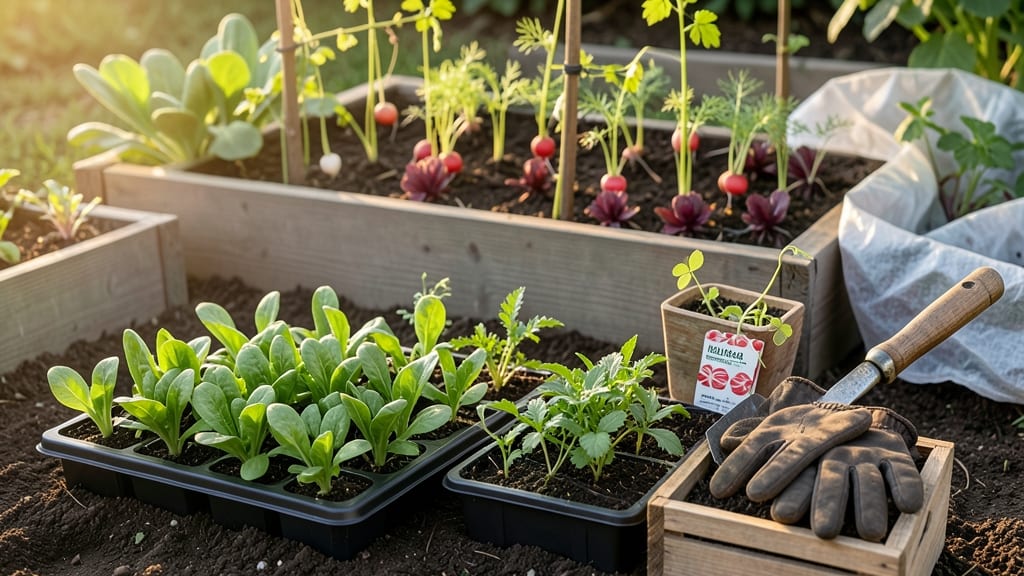
Planting a garden in Utah isn’t just about the season—it’s about elevation. Whether you’re in the high desert or the Wasatch Mountains, your last frost date can shift by weeks depending on where you live.
Skip the wrong timing, and your 🌱 garden could struggle before it even takes root.
Utah’s dramatic climate means your neighbors’ planting schedule might not work for you. From 2,500 feet in St. George to 10,000 feet in Park City, frost dates vary wildly. I’ll break down the exact windows you need to know for each zone—so you can plant with confidence.
No more guessing whether your tomatoes will bolt or your potatoes freeze. You’ll learn how to adjust for Utah’s unpredictable weather, from soil warming tricks to frost cloth hacks. Let’s get your garden off to the right start—no matter where you’re growing.
Ready to dig in? By the end, you’ll know exactly when to plant for your specific elevation, ensuring a bountiful harvest from spring to fall. Let’s make this your most successful gardening season yet.
Utah’s 5 planting zones by elevation: last frost dates you can’t ignore
Utah’s elevation zones create wildly different planting conditions. At 2,500 feet in St. George, you might plant tomatoes in March, while at 10,000 feet in Park City, you’ll wait until June.
These differences aren’t just about timing—they determine which crops will thrive in your yard. Let’s break down the 5 key elevation zones and their critical frost dates.
Each zone follows USDA hardiness zones 5b–8a, but frost dates vary dramatically. For example, Zone 8a (low desert) has last frosts in early March, while Zone 5b (high mountains) can see frost until late June.
Knowing these dates ensures your cool-season crops like lettuce and peas don’t freeze, and your warm-season crops like peppers and tomatoes get a long enough growing season.
Here’s the visual breakdown of Utah’s planting zones, including last frost dates, first frost dates, and ideal planting windows for both spring and fall:
| Elevation Zone | USDA Zone | Last Frost Date | First Frost Date | Spring Planting Window | Fall Planting Window |
|---|---|---|---|---|---|
| Low Desert (2,500’–4,000’) | 8a | Early March | Mid-November | Mid-February–April | Mid-August–September |
| Mid-Elevation (4,000’–7,000’) | 7a–7b | Late March–April | Late October–November | Mid-April–May | Late July–August |
| High Desert (7,000’–8,500’) | 6a–6b | Late April–May | Mid-October | Late May–June | Early July–August |
| Mountain Foothills (8,500’–10,000’) | 5b–6a | Late May–June | Early October | Late June–July | Late June–July |
| Alpine (10,000’+) | 4a–5a | July | Early September | Late July–August | None (too short season) |
For example, if you’re in Zone 8a (like St. George), you can plant warm-season crops like tomatoes and cucumbers as early as mid-February. But in Zone 5b (like Ogden), you’ll need to wait until late June to plant those same crops.
This table ensures you’re planting at the optimal time for your specific elevation.
Pro tip: Use frost cloth to extend your planting window by 2–4 weeks in cooler zones. This is especially useful for high-altitude gardens where frost can linger into summer. It’s a simple hack that can mean the difference between a thriving garden and a failed one.
Now that you know your last frost dates, let’s talk about how to adjust planting times for Utah’s unpredictable weather patterns. Even within the same zone, microclimates can shift planting windows by
How to adjust planting times for Utah’s unpredictable weather patterns
Utah’s weather can shift from sunny 80°F to freezing 32°F in a single afternoon—especially in high-desert and mountain zones. These rapid swings throw off even the most experienced gardeners.
The key is flexible timing and proactive adjustments, like using row covers or black plastic mulch to warm soil faster in cooler zones.
For low-elevation areas (2,500’–4,000’), like St. George, late-spring frost is rare, but early-morning temps can still dip. Start warm-season crops like peppers and okra in mid-April and monitor forecasts for sudden cold snaps.
In mid-elevation (4,000’–7,000’), such as Salt Lake City, wait until mid-May for tomatoes and eggplants, as frost can linger into April.
High-altitude gardens (7,000’+) face the toughest challenges. Even in June, first frost can sneak in by September. Extend your season with cold frames or plant fast-maturing varieties like radishes or bush beans.
I’ve seen radishes harvested in 25 days at 9,000 feet—proof that timing and variety matter more than elevation alone.
- 📅 Use a soil thermometer: Warm-season crops need 60°F+ soil. In Utah’s desert, this can mean planting 2–3 weeks earlier than in mountain zones.
- 🌡️ Watch for false springs: A warm April can trick you into planting too early. Wait until 3 consecutive days above 50°F before sowing seeds.
- 🧥 Frost cloth is your best friend: Lay it over seedlings when night temps drop below 35°F. It adds 5–8°F protection without stunting growth.
- ☀️ Mulch with black plastic: In low-elevation zones, this raises soil temps by 10–15°F, letting you plant peppers and squash 2 weeks earlier.
- 📆 Adjust for microclimates: A south-facing slope warms 2–3 weeks faster than a north-facing yard. Plant heat-lovers there first.
Don’t overlook fall planting, either. In Utah’s Zone 5b–8a, you can often squeeze in a second harvest of cool-season crops like kale or spinach. Start seeds indoors in late July for transplanting by mid-August, giving them time to mature before the first frost.
I’ve grown overwintered garlic successfully in Zone 6b by planting in October.
If you’re new to Utah gardening, start small with short-season varieties like bush beans or lettuce. These tolerate timing mistakes better than tomatoes or corn, which need precise windows.
And always keep a frost date tracker—Utah State University Extension provides updated forecasts, or use apps like FrostWatch for real-time alerts.
Remember, Utah’s high desert and mountain microclimates can feel like two different states. What works in Moab (Zone 8a) fails in Park City (Zone 5b). Stay flexible, use season extenders, and don’t hesitate to adjust on the fly.
Your garden will thank you with bigger yields and fewer disappointments. 🌱