
Planting
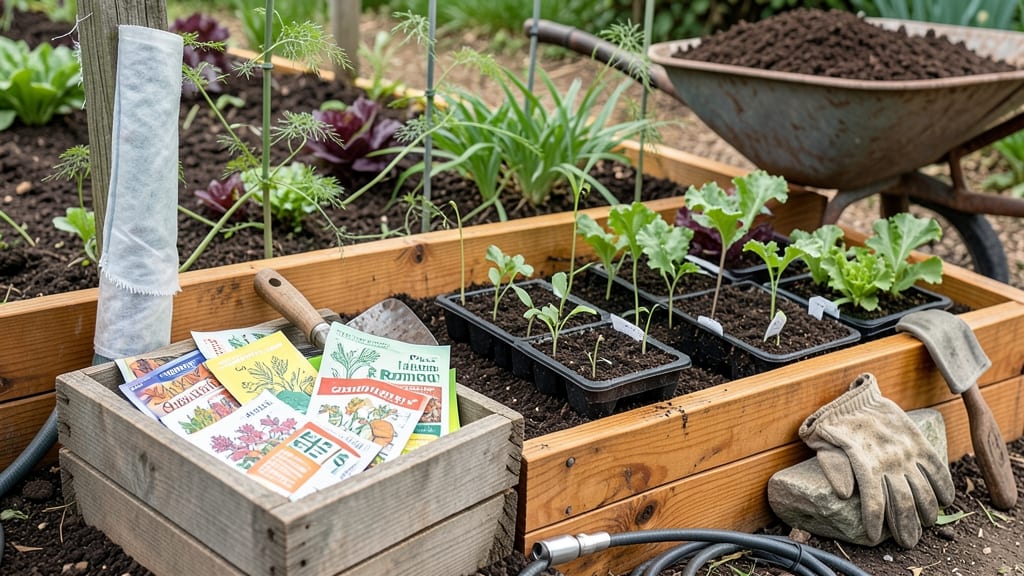
Timing your garden planting in Colorado can feel like solving a puzzle—one wrong move, and frost or drought ruins your hard work.
With USDA zones 5-7 and elevation shifts that drastically alter last frost dates, knowing exactly when to plant is the difference between a thriving 🌱 General Colorado Garden and wasted effort.
Most gardeners in Denver or Colorado Springs wait until late April or May, but high-altitude areas like Grand Junction can start earlier. The key? Soil temperature and nighttime lows—planting too soon risks stunted growth, while waiting too long cuts your harvest window short.
This guide breaks down Colorado’s planting zones, from cool-season crops like peas (ready by March in some areas) to heat-loving tomatoes (best after May 15 in most regions). Learn how to adjust for microclimates, extend seasons with row covers, and pick the perfect window for your location.
Whether you’re a first-time gardener or a seasoned pro, these zone-specific deadlines will help you maximize yields and avoid common mistakes. Let’s get your Colorado garden off to the right start!
Colorado planting zones explained: when to start seeds and transplant by region
Colorado’s gardening success starts with understanding its USDA hardiness zones, which range from 4–8 depending on elevation. The Front Range (Denver, Colorado Springs) typically falls in zones 5b–6a, while the Western Slope (Grand Junction, Durango) can reach zones 6b–7a.
High-altitude areas like Boulder County or Eagle County may drop to zone 4, shortening growing seasons significantly.
Your planting timeline hinges on last frost dates, which vary dramatically. In Denver, the average last frost is April 15, while Grand Junction sees its last frost around March 20.
High-altitude areas like Leadville can experience frost well into May. Always check your local Almanac or use a frost calculator for precise dates.
For cool-season crops (like kale, peas, and spinach), you can start seeds indoors 6–8 weeks before your last frost date. Warm-season crops (tomatoes, peppers, basil) need to wait until soil temperatures reach 50°F—usually mid-May to early June in most zones.
High-altitude gardens may need to delay until late May or June.
Transplanting outdoors should happen 2–3 weeks after your last frost, when nighttime temperatures stay above 40°F. In zone 5, this might be late April to early May; in zone 7, it could be as early as mid-April.
Always monitor 7-day forecasts for unexpected cold snaps.
| Region | USDA Zone | Last Frost Date | Start Seeds Indoors | Transplant Outdoors |
|---|---|---|---|---|
| Denver/Colorado Springs | 5b–6a | April 15 | Early March (cool crops) | Late April–May 15 |
| Grand Junction | 6b–7a | March 20 | Late February (cool crops) | Mid-April–May 1 |
| High Altitude (Leadville, Aspen) | 4–5a | May 15 | Late April (cool crops) | Late May–June 1 |
| Fort Collins | 5a–5b | April 25 | Early March (cool crops) | Late April–May 10 |
Elevation matters more than latitude in Colorado. A garden at 5,000 feet (like Denver) will have a shorter growing season than one at 4,000 feet (like Grand Junction). Use microclimate adjustments: South-facing slopes warm up faster, while north-facing areas stay cooler. If you’re unsure, plant a few extra seeds—late frosts are common!
For fall planting, aim to sow cool-season crops 60–90 days before your first frost (typically August–September). In zone 5, this means late July for spinach or early August for kale.
High-altitude gardens may need to start even earlier to avoid early frosts. Row covers can extend your fall season by 2–4 weeks.
Pro tip: Colorado’s dry climate means soil warms up faster than humid regions. Test your soil temperature with a soil thermometer—most seeds need 50–70°F to germinate. If your soil is too cold, black plastic mulch can raise temperatures by 5–10°F and speed up planting.
Don’t forget high-elevation challenges: Shorter days and intense UV radiation can stress plants. Choose compact, cold-hardy varieties (like ‘Colorado State’ potatoes or ‘Black Krim’ tomatoes) and harden off seedlings gradually to avoid transplant shock. With the right timing, even zone 4 gardens can thrive!
🌱
How to adjust your planting schedule for Colorado’s microclimates and frost risks
Colorado’s microclimates can turn a perfect planting day in Denver into a frosty nightmare just 30 miles away. High elevations, urban heat islands, and sudden temperature swings mean one-size-fits-all planting dates won’t work.
But with a few smart adjustments—like using row covers or choosing frost-tolerant varieties—you can safely push your planting windows and enjoy a longer harvest.
Start by checking your local last frost date. Denver’s average is April 15, but Colorado Springs might see frost until May 1, while Grand Junction’s Western Slope warms up earlier.
For high-altitude gardens (above 7,000 ft), like those in Boulder or Fort Collins, wait until May 10 to plant warm-season crops like tomatoes or peppers.
Here’s how to extend your growing season without risking frost damage:
For high-elevation gardens, where growing seasons are shorter, focus on fast-maturing crops like radishes (25 days) or bush beans (50 days). In urban heat islands (e.g., Denver’s downtown), you can plant 2–3 weeks earlier than rural areas because concrete retains heat.
If you’re unsure about your local microclimate, test your garden’s frost risk with a simple experiment: Place a thermometer in your soil overnight during late April.
If temps drop below 40°F, delay planting or use protective covers. Even a 5°F difference can mean the difference between thriving plants and frostbite.
With these adjustments, you’ll avoid common Colorado planting mistakes and enjoy a garden that’s resilient to frost, heat waves, and elevation shifts. Start small—test one microclimate-friendly trick this season, and expand next year! 🌱