
Plants
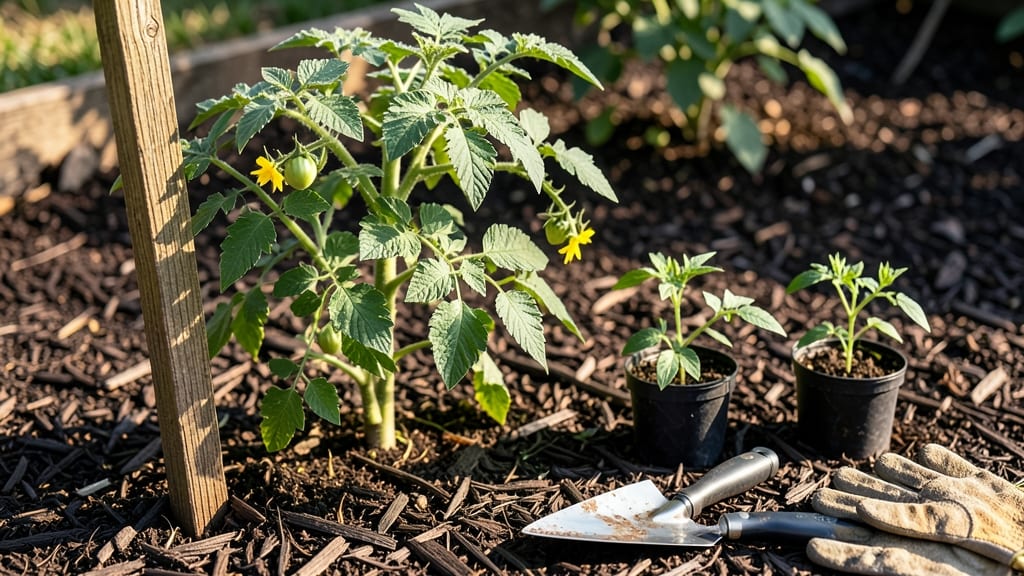
Planting tomatoes in Illinois isn't just about grabbing seedlings and sticking them in the ground—it's about timing your moves to beat the 5b-6b zone challenges and early spring cold snaps that can sabotage your harvest before it even starts.
If you've ever watched your tomato plants wilt under unexpected frost or struggled with slow growth from cool soil, you know how critical the right planting window truly is.
The difference between a July harvest and a disappointing summer can hinge on those first few weeks after your last frost date.
I'll walk you through the exact April 15-May 15 window that works best for Illinois gardeners, plus how to prepare your soil and choose varieties that thrive in our climate.
Whether you're planting in containers or directly in the ground, these tips will help you avoid common mistakes and maximize your yield.
Ready to turn your garden into a tomato powerhouse? Let's dive into the strategies that actually work for Illinois growers—no guesswork required.
Illinois USDA Zones & exact planting deadlines for tomatoes by Zone
If you're growing tomatoes in Illinois, the USDA zone you live in directly impacts when you should plant. Most of Illinois falls in USDA Zones 5a-6b, where last frost dates vary from mid-April in southern regions to late May in northern areas.
Planting too early risks frost damage, while waiting too long can shorten your harvest season.
Tomatoes thrive when soil temperatures reach at least 60°F—this typically happens after your area's last frost date. In Illinois, this usually means waiting until mid-April to mid-May for most gardeners.
For northern Illinois (Zone 5a), aim for early May, while southern Illinois (Zone 6a/6b) can start as early as late April.
Pro Tip: Use black plastic mulch to warm soil faster and extend your planting window by 1-2 weeks. This is especially helpful in cooler microclimates like Chicago's suburbs or northern Illinois.
| USDA Zone | Last Frost Date | Ideal Planting Window | Soil Temp Requirement | Notes |
|---|---|---|---|---|
| 5a (Northern IL) | May 1-15 | May 15-31 | 60°F+ | Use row covers for early starts |
| 5b (Central IL) | April 15-30 | April 30-May 15 | 60°F+ | Best for early varieties |
| 6a (Southern IL) | April 1-15 | April 15-May 1 | 55°F+ (earlier starts) | Longer growing season |
| 6b (Extreme Southern IL) | March 20-April 10 | April 1-15 | 55°F+ | Try heat-tolerant varieties |
For container-grown tomatoes, you can start planting as soon as soil warms, even a week earlier than in-ground plants. Containers heat up faster and give you more control over soil temperature. Just ensure your pots are at least 5 gallons to support healthy root growth.
If you're growing heirloom varieties with longer maturity dates (like Brandywine or Cherokee Purple), plant them on the earlier side of your zone's window. Cherry tomatoes (Sweet 100) or early determinate varieties can handle later starts better.
Always check your local Cooperative Extension Service for hyper-local advice. For example, Chicago's last frost often runs later than rural areas just 30 miles west. The University of Illinois Extension offers free frost date maps tailored to your county.
Remember: Succession planting every 2 weeks after your initial planting can extend your harvest into fall. This works especially well in Zone 6a/6b, where the growing season is longer.
🌱
How to extend your tomato growing season in Illinois: cold frames, row covers & succession planting
Illinois' short growing season doesn't mean you have to miss out on homegrown tomatoes! With smart strategies, you can push your planting windows earlier and later, giving you a longer harvest. I've successfully extended my tomato season by 3-4 weeks using these proven techniques, and I'll show you exactly how.
For early starts, focus on cold frames and row covers to protect tender seedlings from late spring frosts. These methods let you plant 4-6 weeks before the traditional window while still ensuring healthy growth.
Even in USDA Zone 5b, where frosts can linger until mid-April, I've had seedlings ready for transplant by early May.
Don't forget about succession planting—this is my secret weapon for continuous harvests. By staggering plantings every 2-3 weeks through June, I've enjoyed tomatoes from July through October. The key is choosing varieties with different maturity dates to keep production going all season.
🌱 Season-Extension Strategies for Illinois Tomatoes
- Cold Frames: Start seeds 6-8 weeks early in protected frames. Soil warms faster, giving seedlings a head start.
- Row Covers: Use floating row covers to plant 2-3 weeks earlier and extend harvest by 2-3 weeks later. Remove during flowering for pollination.
- Succession Planting: Plant every 2 weeks through June for continuous harvests. Use early, mid, and late-season varieties together.
- Cold-Hardy Varieties: Choose 'Stupice' or 'Mountain Merit'—these tolerate 28°F and can survive light frosts.
- Black Plastic Mulch: Warms soil 5-10°F faster than bare ground, letting you plant 1-2 weeks earlier.
One of my favorite tricks is combining row covers with succession planting. I'll plant a batch under covers in early April, then add another batch without covers in mid-May.
By June, I've got a third planting going—this gives me tomatoes from July through September without any gaps. The row covers also protect against late-season pests like hornworms and aphids.
For late-season extensions, focus on protective barriers and microclimates. Plant near south-facing walls or use cloches to trap heat. I've had tomatoes ripen in October by using mini greenhouses over my plants—just be sure to remove them during the day to prevent overheating.
Even in Zone 6b, where first frosts arrive by mid-October, this can add 2-3 extra weeks of harvest time.
Remember, the goal is healthy plants, not just extended seasons. Always monitor soil temperature—it should stay above 55°F for root growth and 60°F for transplanting. Use a soil thermometer to track progress, and never plant when nighttime temperatures dip below 50°F for more than a few days.
With these techniques, you can turn Illinois' growing season from a limitation into an opportunity for a longer, more abundant tomato harvest.