
Trees
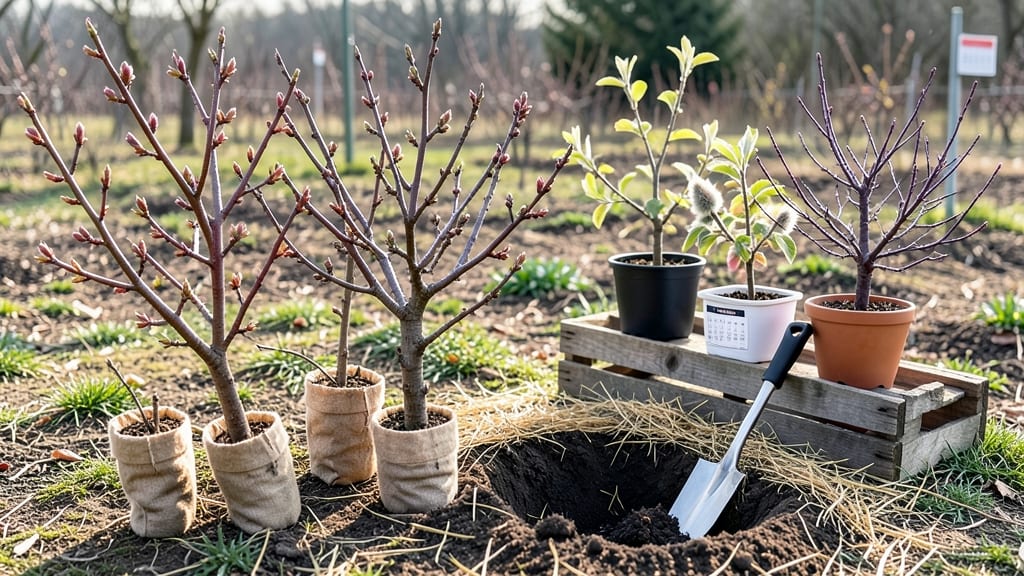
Planting fruit trees in Kansas at the wrong time can mean the difference between a bountiful harvest and years of disappointment—thanks to the state’s unique chill-hour requirements and unpredictable spring weather.
If you’re dreaming of homegrown apples, peaches, or plums, timing is everything. Kansas’ USDA Zones 5-7 demand precision, especially when matching chill-hour needs with your local frost patterns. One wrong move, and your young tree could struggle—or worse, fail to fruit at all.
I’ve spent years helping Kansas gardeners avoid these pitfalls, and the key is knowing exactly when to plant based on your specific variety. Whether you’re in Wichita’s heat or the cooler hills of the Flint Hills, the right window makes all the difference.
Let’s break down the best months, soil prep secrets, and how to protect your investment from Kansas’ infamous late frosts. Ready to grow fruit that thrives?
Best planting months in Kansas based on chill-hour requirements
Kansas spans USDA Hardiness Zones 5-7, creating a unique challenge for fruit tree growers. The state’s chill-hour requirements (300-1,000 hours below 45°F) dictate when trees bloom—and when they’ll produce fruit.
Planting outside these windows risks transplant shock or poor fruit set. For most Kansas gardens, late winter to early spring (February through April) is ideal, but timing varies by tree type.
Apples and pears need 500-800 chill hours, while peaches and plums thrive with 300-600 hours. In western Kansas (Zone 5), aim for March planting when soil temps hit 40°F.
Eastern Kansas (Zones 6-7) can start as early as February, but avoid planting when late frosts threaten new growth. Bare-root trees establish faster than containerized ones, so prioritize them for early spring planting.
Here’s how Kansas’ chill-hour zones break down by region and tree type:
| Tree Type | Chill-Hour Range | Best Planting Month (Western KS) | Best Planting Month (Eastern KS) | Soil Temp Requirement |
|---|---|---|---|---|
| Apple (e.g., Arkansas Black) | 600-800 hours | Late March | Mid-February to March | 40-50°F |
| Peach (e.g., Elberta) | 300-500 hours | Early March | Late February | 45-55°F |
| Cherry (e.g., Montmorency) | 500-700 hours | Late March | Mid-February to March | 40-50°F |
| Plum (e.g., Santa Rosa) | 400-600 hours | Early March | Late February | 45-55°F |
| Pear (e.g., Bartlett) | 500-700 hours | Late March | Mid-February to March | 40-50°F |
For bare-root trees, plant as soon as soil is workable—typically 2-4 weeks before your last frost date. Containerized trees can wait until April but need extra care to prevent root circling.
In Zone 5 (western KS), hold off until after March 15 to avoid frost damage to emerging buds. Use a soil thermometer to confirm temps meet the 40-55°F range for root growth.
Pro tip: Dwarf varieties (like Columnar apples) adapt better to Kansas’ shorter growing seasons. They also recover faster from transplant shock if planted slightly later in spring. Pair them with windbreaks to protect against Kansas’ dry winds, which can stress young trees.
If you miss the spring window, fall planting (October-November) is a backup—but only for containerized trees. Bare-root trees planted in fall rarely survive Kansas’ freezing winters. For fall plantings, choose low-chill varieties (e.g., Peach ‘Redhaven’) and mulch heavily to insulate roots.
Urban gardeners in Wichita or Topeka face extra challenges due to heat islands. Plant in late spring (May) if soil stays too warm early. Rural areas with loamy soil (like Salina or Hays) can plant earlier, thanks to better moisture retention.
Always test your soil’s drainage—Kansas’ clay-heavy soils need amendments like compost or sand.
Remember: Chill hours ≠ frost dates. A tree might meet its chill requirement but still suffer if a late April frost hits. Monitor National Weather Service alerts and use frost cloth for young trees until they’re established.
Patience pays off—waiting for the right window ensures your fruit trees thrive for decades.
How to adjust planting timing for Kansas’ unpredictable spring weather
Kansas’ spring weather can be a fruit tree gardener’s worst nightmare—one day it’s 60°F, the next it drops to 32°F overnight. These temperature swings make timing critical for bare-root and containerized trees alike.
If you plant too early, your tree risks transplant shock or frost damage. Too late, and it won’t establish roots before summer heat sets in.
My go-to strategy is to monitor soil temperatures—aim for 40°F or warmer at a 6-inch depth. Use a soil thermometer (they’re cheap!) to avoid guessing.
In western Kansas, where springs are drier, you might need to wait until mid-April, while eastern Kansas can often plant by late March.
Here’s the visual guide to help you decide when to plant based on your Kansas location and tree type:
| Kansas Region | Ideal Planting Window | Soil Temp Requirement | Key Risk |
|---|---|---|---|
| Eastern KS (Zones 6-7) | Late March–Early April | 40–45°F (6-inch depth) | Late frosts (April 15+) |
| Central KS (Zone 6) | Mid-April | 45–50°F (6-inch depth) | Drought stress (May heat) |
| Western KS (Zones 5-6) | Late April–Early May | 50°F+ (6-inch depth) | Windburn (exposed sites) |
For containerized trees, you’ve got a slightly longer window—they handle transplant shock better than bare-root varieties. Plant these 2–3 weeks later than bare-root trees to avoid root desiccation from dry spring winds.
My Elberta peach in a 5-gallon pot thrived when planted in mid-April last year, while my Arkansas Black apple (bare-root) went in late March.
If you’re in an urban Kansas garden, microclimates become your best friend. South-facing walls or heat-absorbing pavers can warm soil 5–10°F faster than open fields.
I once planted a Montmorency cherry near my brick patio in early April—it rooted just fine, while the same tree in my shady backyard struggled until mid-May.
Protect young trees with frost cloth if late frosts are forecasted. My 5-year-old plum tree survived a 28°F night in May 2020 because I wrapped it in frost fabric and buried straw mulch around the base. Water deeply before a frost—moist soil insulates roots better than dry soil.
Finally, avoid planting during drought. Kansas springs can turn bone-dry fast. If your soil is cracked or crumbly, wait for 1–2 weeks of steady rain or use drip irrigation to keep the root zone moist for 4–6 weeks post-planting.
My first-year apple tree nearly died in 2018 when I planted it in March during a dry spell—now I always check the Kansas Mesonet for soil moisture data.