
Trees
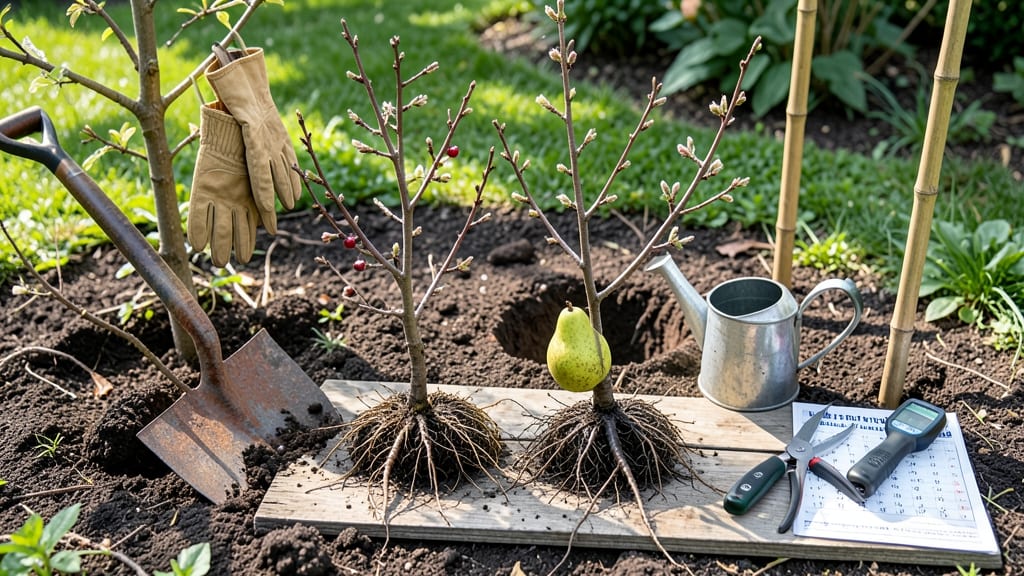
Planting your 🍎 fruit trees in Zone 5 at the wrong time can mean the difference between a thriving orchard and years of frustration. Unlike warmer climates, Zone 5's unpredictable frost dates and soil temperature swings demand precision timing to give young roots the best chance to establish.
Most gardeners assume spring is the only window, but fall planting offers cooler soil and fewer pests. The key isn't just avoiding frost—it's understanding when your soil warms to 50-60°F, the sweet spot for root growth.
I'll show you exactly how to read your local microclimate clues to pick the perfect 6-8 week window before winter sets in.
Whether you're planting bare-root saplings or container-grown trees, timing affects everything from early bud break to winter survival. We'll break down the science behind Zone 5's two best planting seasons and how to prepare your soil for maximum success.
Ready to set your fruit trees up for a lifetime of harvests? Let's dive into the exact planting schedule that works for your specific corner of Zone 5—whether you're in Chicago's windy plains or Pittsburgh's rolling hills.
Zone 5 soil temperature guidelines for planting fruit trees
Planting fruit trees in Zone 5 requires careful attention to soil temperatures and frost patterns. Unlike warmer climates, Zone 5's 50-60°F soil triggers optimal root growth, while premature planting risks frost damage. Understanding these temperature triggers ensures your tree establishes strong roots before summer heat arrives.
Most fruit trees thrive when planted during two key windows: early spring (March-April) or fall (September-October). Spring planting allows roots to establish before summer, while fall planting gives trees time to root before winter dormancy. Soil thermometers are your best tool to confirm readiness—aim for 50°F+ consistently for 5-7 days.
Zone 5's last frost dates vary dramatically—Chicago averages May 15, while Pittsburgh sees frost until May 5. Plant 4-6 weeks before your local last frost to avoid cold snaps. For fall planting, aim for 6-8 weeks before first frost (typically mid-October) to allow root establishment before dormancy.
Regional microclimates play a huge role. Urban areas like Detroit may warm faster than rural Ohio farmland. Observe nearby gardens or check your USDA Plant Hardiness Zone map for precise local data. A 5°F difference can mean weeks of planting window variation!
| Factor | Zone 5 Spring Guidelines | Zone 5 Fall Guidelines |
|---|---|---|
| Soil Temperature | 50-60°F for 5+ days | 50-60°F for 5+ days |
| Planting Window | March-April (4-6 weeks before last frost) | September-October (6-8 weeks before first frost) |
| Key Indicator | Daffodils blooming | Leaves changing color |
| Root Establishment Risk | Late frost damage | Winter desiccation |
| Best Tree Types | Apples, Pears, Cherries | Peaches, Plums, Blueberries |
Bare-root trees have different timing needs than container-grown varieties. Bare-root trees should be planted immediately upon arrival, while container-grown trees offer more flexibility. For bare-root trees, look for swollen buds—this signals readiness to plant. Container-grown trees can handle slightly cooler soils but still need 50°F+ for optimal growth.
Testing your soil's readiness is simple. Use a soil thermometer to check temperatures at 6-inch depth (where roots establish). Morning readings are most accurate. If temperatures fluctuate daily, wait until they stabilize. Cold, wet soils delay root growth and increase disease risk.
Don't rely solely on calendar dates—microclimates can shift planting windows by weeks. South-facing slopes warm faster than north-facing yards. If your area has late spring frosts, consider heat-loving varieties like peaches or nectarines, which establish faster in warm soils.
For frost-sensitive trees, use row covers during early spring planting.
Remember: Root growth > Top growth. A tree with strong roots will recover from frost better than one forced to grow leaves too early. In Zone 5, patience during planting pays off with healthier, more productive trees for decades.
Start with soil prep now to maximize your planting success this season!
Zone 5 soil temperature guidelines for planting fruit trees
Planting fruit trees in Zone 5 requires precise timing based on soil temperatures, not just the calendar. Ideal soil temps range between 50-60°F—this window ensures roots establish before summer heat or winter frost stresses young trees. Cold soil can stunt growth, while warm soil encourages rapid root development.
In Zone 5, your last frost date (typically mid-May) signals spring planting readiness, but soil temperature is the real trigger. Use a soil thermometer to confirm—plant when temps consistently hit 50°F at 4-inch depth.
Northern cities like Chicago may wait until late April, while southern areas like Pittsburgh can plant earlier.
🌱 Zone 5 Fruit Tree Planting Soil Guide
| Season | Soil Temp (°F) | Planting Window | Key Consideration |
|---|---|---|---|
| Early Spring | 50-60°F | March-April | Avoid frost-prone weeks |
| Fall | 50-60°F | September-October | 6-8 weeks before first frost |
| Late Spring | Above 60°F | May (post-frost) | Risk of drought stress |
Fall planting (September-October) is often ideal in Zone 5 because cool temps reduce transplant shock. Aim to plant 6-8 weeks before first frost—this gives roots time to establish before dormancy.
For bare-root trees, plant as soon as soil is workable, while container-grown trees can handle slightly warmer soil.
Microclimates matter! Urban areas stay warmer than rural spots, so adjust planting by 1-2 weeks. Test your soil’s drainage too—fruit trees hate soggy roots. Amend heavy clay with compost or sand to improve aeration. A well-drained site prevents root rot, especially during Zone 5’s wet springs.
For peach and cherry trees, prioritize early spring planting to avoid late frost damage to blossoms. Apple and pear trees, however, tolerate both spring and fall planting. Always water deeply after planting to eliminate air pockets around roots—this critical step boosts survival rates by 30%.
Monitor your local USDA Zone 5a/5b variations—some areas experience earlier frosts than others. Use a frost calendar from your local cooperative extension office for precise timing. With the right soil temps and prep, your fruit trees will thrive despite Zone 5’s chilly challenges.