
Trees
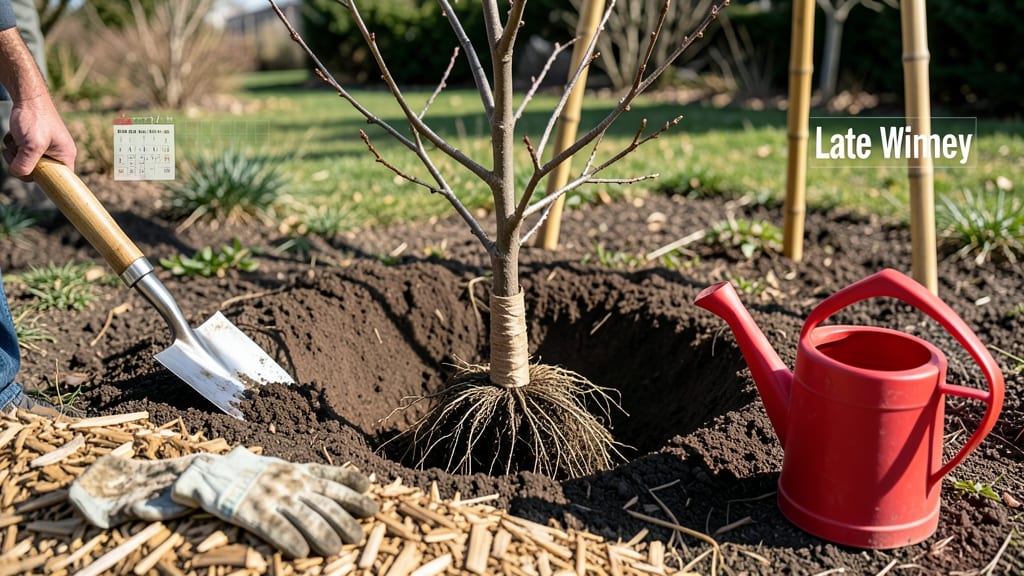
Planting fruit trees at the wrong time in Illinois can mean the difference between a thriving orchard and a sad investment in 🍎 saplings that never take root. With chill-hour requirements ranging from 500 to 1,000+ hours, timing isn't just about the calendar—it's about matching varieties to your microclimate.
Most Illinois gardeners know spring is ideal, but did you know early fall (September-October) often gives trees a stronger start? The key is avoiding late frosts in March-April, which can stunt young roots before they establish.
Whether you're planting bare-root saplings or container-grown trees, getting the timing right means fewer struggles with transplant shock and more energy focused on nurturing growth.
From crisp Honeycrisp apples to juicy Reliance peaches, each variety has its own perfect window. I'll break down exactly when to plant based on chill-hour needs, so you can pick the right trees for your zone 5a-6b and avoid common mistakes that waste time and money.
Ready to plant with confidence? Let's dive into the perfect timing strategies that'll have your fruit trees bearing harvests from June through October—and beyond.
Best planting months for Illinois fruit trees by chill-hour Zone
Illinois spans USDA Zones 5a-6b, but the real game-changer for fruit trees is chill hours—the number of hours below 45°F your trees need to set fruit. Most Illinois varieties require 500-1,000+ chill hours, with northern regions (like Chicago) needing more than southern areas (St. Louis).
Timing matters because bare-root trees (cheaper, dormant) and container-grown trees (pricier, active) have different windows. Bare-root trees thrive in early spring (March-April) or early fall (September-October), while container-grown trees can go in year-round except winter.
Here’s the breakdown by chill-hour zones and fruit type, so you plant when roots can establish before summer heat or winter freeze:
For northern Illinois (e.g., Chicago, Rockford), prioritize late April planting to avoid late frosts that can kill blossoms. In southern Illinois (e.g., Carbondale, Springfield), September is ideal—cooler temps help roots establish before winter.
Pro tip: Check your last frost date (typically April 15 in northern IL, March 15 in southern IL) and plant 4-6 weeks before to give roots time to grow. Use a soil thermometer—roots need soil temps above 40°F.
Container-grown trees? Plant them anytime except winter, but amend soil with compost to offset root disturbance. For bare-root trees, soak roots in water for 1-2 hours before planting to revive them.
Remember: Peaches and plums need 500-700 chill hours, while apples and cherries thrive with 800-1,000+ hours. Match your variety to your zone—or risk poor fruit set!
🌱
Top 5 fruit tree varieties for Illinois gardens and their planting secrets
Illinois’ USDA Zones 5a-6b and chill-hour ranges (500-1,000+) make selecting the right fruit tree variety critical. I’ve curated the top 5 cold-hardy, high-yield varieties that thrive in Illinois microclimates, from northern Chicago’s shorter summers to southern regions’ extended growing seasons.
Each was chosen for its adaptability, disease resistance, and reliable harvests—plus, I’ll share my pro tips for planting success.
First up: ‘Honeycrisp’ apples (Zone 5a-6b, 600-800 chill hours). This variety dominates Illinois orchards for good reason—its sweet-tart flavor and crisp texture make it a homegrown favorite. For best results, plant bare-root trees in early spring (March-April) or container-grown trees in early fall (September-October).
Choose a dwarf or semi-dwarf rootstock (like M.9 or B.9) to save space and ensure easier harvests. My secret? Amend clay-heavy Illinois soil with compost and sand to improve drainage.
Next is ‘Reliance’ peaches (Zone 5a-6b, 300-500 chill hours), a freestone peach bred for Illinois’ unpredictable springs. Unlike traditional peaches, it blooms later, avoiding late frosts. Plant in full sun with well-draining soil, and mulch heavily to protect roots from winter desiccation.
I recommend pruning in late winter to open the canopy for better airflow and fruit production.
For cherry lovers, ‘Montmorency’ tart cherries (Zone 4-6, 500-800 chill hours) are a disease-resistant powerhouse. These thrive in Illinois’ cool summers and produce abundant fruit for pies and preserves.
Plant in early spring and space trees 20 feet apart—they need room to grow! My trick? Plant two trees for cross-pollination, even if they’re the same variety.
Don’t overlook ‘Stanley’ plums (Zone 5-8, 300-500 chill hours), a late-blooming, self-fruitful variety perfect for urban gardens. Its sweet, juicy fruit ripens in late August, just as other varieties fade.
For planting, I dig a hole twice as wide as the root ball and mix in bone meal for extra phosphorus—critical for root development.
Finally, ‘Jersey’ sweet cherries (Zone 5-7, 400-600 chill hours) are a hidden gem for Illinois gardeners. Their large, deep-red fruit stores well and ships beautifully. Plant in early fall for strong root establishment before winter.
My non-negotiable tip: Test soil pH (6.0-7.0) and adjust with lime if needed—cherries hate acidic soil.
Each of these varieties adapts beautifully to Illinois’ climate, but their planting secrets—like timing, soil prep, and spacing—make all the difference. Whether you’re a beginner homesteader or a seasoned orchardist, these picks will give you years of reliable harvests with minimal fuss. 🍎🌳