
Trees
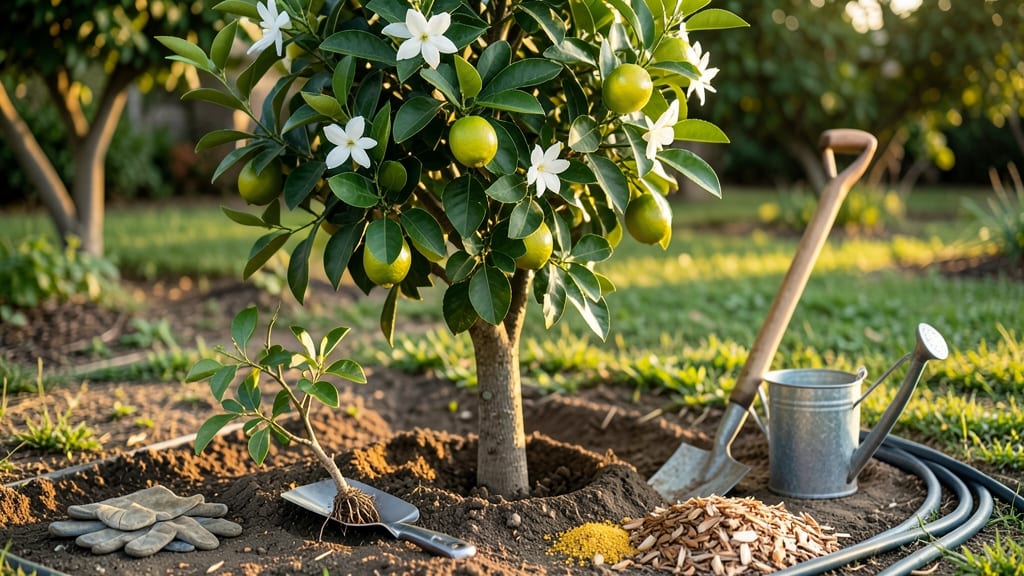
Planting your 🍊 citrus tree at the wrong time in Florida can turn your dream backyard grove into a sad, struggling shrub—especially when summer’s brutal heat arrives.
Unlike other states, Florida’s frost-free zones (8a-11) let you plant year-round, but timing still matters to give those roots a fighting chance before the real heat kicks in.
Most gardeners swear by late winter to early spring (February-March) as the best window, when soil temperatures are mild and rain is plentiful. But if you’re in coastal areas like Miami, you might even squeeze in a fall planting (October-November) to avoid the worst summer stress.
The key? Avoid those scorching June-August months when young trees can wilt faster than a snow cone in the sun.
I’ve seen firsthand how a well-timed planting leads to thriving trees—some even fruiting within a year—while poor timing can mean stunted growth or disease. Whether you’re dropping a bare-root sapling or a container-grown tree, the right month makes all the difference.
Let’s break down the exact windows that’ll set your citrus up for success.
Ready to skip the guesswork? You’ll learn how to read Florida’s microclimates, prep your soil like a pro, and even extend your planting season with smart tricks. No more waiting for “perfect” conditions—just science-backed timing for citrus that grows strong and bears fruit all year.
Florida’s citrus planting windows by heat Zone: best months for success
Florida’s frost-free climate might make you think citrus trees can be planted anytime—but timing still matters. The key is avoiding summer’s brutal heat and hurricane season’s heavy rains, which stress young roots.
Instead, focus on cooler months when soil temperatures are ideal for root establishment. Florida’s 11 heat zones (A1-B3) further refine the best planting windows, with coastal areas offering slightly more flexibility than inland zones.
For most of Florida, February through March is the golden window for planting citrus trees.
During these months, daytime temperatures average 70-80°F, giving young trees time to establish roots before summer’s intensity. October and November also work well, especially in northern Florida (Zones 8a-9a), where cooler evenings reduce transplant shock.
Container-grown trees have a slightly wider window—they can handle summer planting if shaded and watered consistently.
🌱
| Heat Zone | Best Planting Months | Soil Temp Threshold | Notes |
|---|---|---|---|
| A1-A2 (South Florida) | Year-round (best: Jan-Mar, Sep-Nov) | 65-75°F | Humid; avoid summer monsoons |
| B1-B2 (Central Florida) | Feb-Apr, Oct-Nov | 60-70°F | Drier; mulch heavily to retain moisture |
| B3 (North Florida) | Feb-Mar, Oct | 55-65°F | Cooler nights; protect from rare frosts |
| Container-Grown (Any Zone) | Feb-Apr, Sep-Nov (or anytime with shade) | 60-75°F | Flexible; water daily in summer |
Bare-root citrus trees are most vulnerable to transplant shock, so they thrive best when planted in February or March. These months offer warmer soil temperatures (60-70°F), which encourage root growth without overwhelming the tree.
In southern Florida (Zones A1-A2), you can plant as late as April, but mulch heavily to protect roots from evaporation. For container-grown trees, the window expands—you can plant them year-round if you provide shade and consistent water.
One critical factor often overlooked is soil temperature. Citrus roots struggle to establish in soil colder than 55°F or hotter than 85°F. Use a soil thermometer to check depths of 4-6 inches before planting.
In northern Florida (Zone 8a), wait until soil warms to 60°F—usually by mid-March—to avoid stunted growth. Coastal areas warm faster, so you can plant 2-4 weeks earlier than inland zones.
🌡️
If you’re planting dwarf or semi-dwarf varieties (like Meyer lemons or Calamondin oranges), they adapt slightly better to late spring or early fall planting because their smaller root systems recover faster. However, even these varieties benefit from early planting to establish before summer’s heat peaks.
For standard-sized trees (like Valencia oranges), stick to the February-March window to ensure robust root development before the first 90°F+ days hit.
Pro tip: Acclimate container-grown trees for 1-2 weeks before planting by gradually exposing them to outdoor conditions. Harden them off by moving them to partial shade for a few hours daily, then full sun.
This reduces shock when you transplant them into the ground. For bare-root trees, soak their roots in water for 1-2 hours before planting to rehydrate them—this boosts survival rates by 20-30%.
🪴
Florida’s microclimates play a huge role in success. For example, coastal areas (like Miami or Tampa) have higher humidity and salt spray, which can stress young trees. Plant in well-draining soil amended with compost and sand to improve drainage.
Inland areas (like Orlando or Gainesville) have drier, sandier soil, so add organic matter to retain moisture. Always plant in a location with 6+ hours of sunlight daily—citrus trees won’t fruit well in shade.
Finally, consider your citrus variety. Mandarin oranges and grapefruits tolerate heat slightly better than lemon trees, which prefer cooler coastal climates. If you’re in Zone 8a or higher, opt for hardier varieties like Satsuma mandarins or Improved Meyer lemons.
These adapt better to temperature fluctuations and are less likely to suffer from bloom drop during heatwaves.
☀️
Critical mistakes to avoid when planting citrus in Florida’s extreme weather
Florida’s citrus trees thrive in heat, but planting them at the wrong time or ignoring key conditions can turn your dream orchard into a disaster. One of the biggest mistakes is planting during summer monsoons (June-August).
The intense humidity and heavy rains create waterlogged soil, suffocating roots and inviting fungal diseases like root rot. Even drought-tolerant varieties struggle when planted in these conditions.
Another critical error is ignoring soil pH (5.5-6.5). Florida’s sandy soils often lean acidic, but citrus trees need slightly acidic to neutral soil. Without testing and amending with lime or sulfur, your tree’s nutrient uptake will suffer, leading to yellowing leaves and poor fruit production.
Always test before planting!
Choosing the wrong citrus variety for your zone is another common blunder. For example, Valencia oranges love Florida’s heat zones 9-11 but may struggle in cooler northern areas like Zone 8a. Opt for cold-hardy varieties like Satsuma mandarins if you’re in the panhandle, where rare frosts can occur.
Avoid Planting During Heatwaves
Planting citrus trees when daytime temps exceed 90°F (32°C) stresses young roots, slowing establishment. Even container-grown trees suffer from transplant shock in extreme heat. Wait for mild days (75-85°F / 24-29°C) or use shade cloth during acclimation.
🌡️ Pro Tip: Monitor your local heat index—humidity makes 85°F feel like 95°F, doubling stress on new plantings.
Overlooking well-draining soil is another silent killer. Florida’s sandy soils drain too quickly, while heavy clay soils hold too much water. Amend your soil with organic matter (compost or peat moss) to create the ideal loamy texture. A quick fix? Plant in raised beds or mounds to improve drainage.
Finally, many gardeners skip mulching after planting, leaving roots exposed to temperature swings. Apply a 3-inch layer of mulch (pine bark or straw) to retain moisture and regulate soil temperature. Without it, young trees struggle during Florida’s hot afternoons and cool nights.
By avoiding these mistakes, your citrus trees will establish strong roots, resist diseases, and reward you with years of abundant fruit. Florida’s climate is forgiving, but only if you work with it—not against it. 🪴