
Flowers
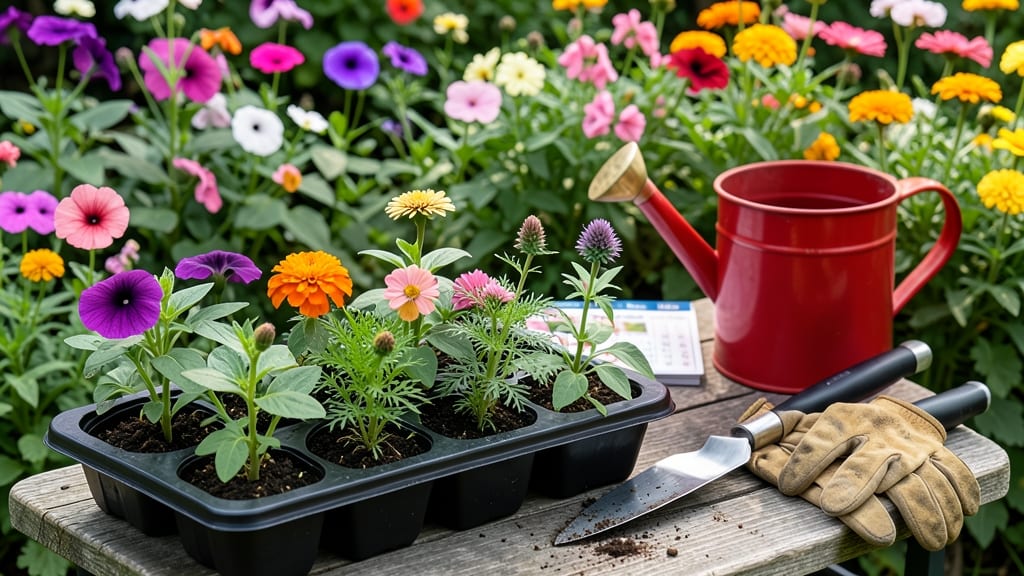
Planting your 🌸 flowers at the wrong time in Zone 7 could mean the difference between a garden bursting with color and one that barely survives. Whether you're a seasoned gardener or just starting out, getting the timing right is the key to vibrant blooms all season long.
In Zone 7, where frost can still linger into April and temperatures fluctuate wildly, knowing when to plant your annuals, perennials, and bulbs makes all the difference.
Too early, and frost will nip your delicate blooms before they even get started. Too late, and you might miss the perfect window for peak growth.
I've spent years perfecting the timing for my own garden, and what I'm about to share will help you avoid common mistakes. From understanding your last frost date to adjusting for regional differences in Northern vs. Southern Zone 7, you'll learn exactly when to plant for the most stunning results.
Let's dive into the ideal planting schedule so you can enjoy a garden that's always in full bloom - no guesswork required!
Zone 7 flower planting calendar by last frost date
In Zone 7, where the average last frost date falls around April 15, timing your flower plantings is key to avoiding frost damage while maximizing bloom potential.
The 180 frost-free days in this zone create a perfect window for both spring and fall plantings, but Northern vs. Southern Zone 7 variations can shift ideal dates by up to 2 weeks.
For annual flowers like petunias and marigolds, wait until after your last frost—typically mid-April—to plant directly in the garden. Perennials, however, often thrive when planted in early spring (March) or early fall (September) for deeper root establishment before winter.
Bulbs like tulips and daffodils should be planted in fall (October-November) to bloom early next spring, while tender flowers like geraniums must wait until soil temperatures reach 60°F—usually late April or May—to avoid cold-sensitive shock.
Southern Zone 7 areas (e.g., Atlanta, Georgia) can plant 2 weeks earlier than Northern regions (e.g., Cincinnati, Ohio). Always check your local extended weather forecasts for adjustments, as microclimates near lakes or hills can delay or advance frost dates.
Zone 7 Flower Planting Timeline
| Flower Type | Best Planting Month | Soil Temp Requirement | Notes |
|---|---|---|---|
| Annuals (Petunias, Zinnias) | April–May | 55°F+ | Wait until after last frost |
| Perennials (Daylilies, Coneflowers) | March or September | 45°F+ | Early spring/fall for root growth |
| Spring Bulbs (Tulips, Daffodils) | October–November | 60°F+ soil | Plant 6–8 weeks before frost |
| Tender Flowers (Geraniums, Impatiens) | May–June | 65°F+ | Avoid frost-sensitive varieties |
| Cool-Season Flowers (Pansies, Snapdragons) | September–October | 50°F+ | Plant for winter/early spring blooms |
To prepare your garden beds, amend soil with compost 2–4 weeks before planting to improve drainage and fertility. For container-grown flowers, harden off seedlings by gradually exposing them to outdoor conditions for 5–7 days before transplanting after the last frost.
Northern Zone 7 gardeners should err on the side of planting later in spring, while Southern growers can start 2 weeks earlier. Always monitor soil temperatures—use a soil thermometer to confirm readiness, especially for heat-loving varieties like sunflowers and cosmos.
For fall planting, aim to get perennials and spring-blooming bulbs in the ground 6–8 weeks before your first frost (typically by October 15). This gives roots time to establish before winter dormancy sets in.
Pro tip: Use row covers or cold frames to extend your planting season by 2–3 weeks in both spring and fall, protecting tender plants from unexpected frosts.
Remember, succession planting every 2–3 weeks after your last frost ensures continuous blooms. Start with fast-growing annuals like basil flowers or nasturtiums for quick color, then follow with longer-season varieties like roses or lavender.
How to adjust planting times for early vs. late bloomers
Zone 7 gardeners can stretch the bloom season by strategically planting cool-season flowers in early spring and heat-loving varieties in late spring or summer.
For example, pansies and snapdragons thrive when planted 4-6 weeks before your last frost date (around February-March), while zinnias and marigolds prefer soil temperatures above 60°F, making May-June their sweet spot.
Succession planting is another game-changer. By staggering plantings every 2-3 weeks, you ensure a continuous display of color—think petunias in April, followed by cosmos in June, then sunflowers in July. This approach prevents a single "bloom explosion" and extends your garden's vibrancy from spring to fall.
🌱 Pro Tip: Use row covers or cold frames to jumpstart tender annuals like geraniums 2-3 weeks earlier than recommended. This gives them a head start before the last frost, while still protecting them from late cold snaps.
Early Bloomers (Cool-Season Flowers)
- Thrives in cooler temps (40-60°F)
- Resists early spring pests better
- Longer bloom time if planted early
- Can bolt in heat (e.g., pansies)
- Limited summer color without succession
- Needs protection from late frosts
Late Bloomers (Heat-Loving Flowers)
- Peaks in summer heat (70-90°F)
- Drought-tolerant varieties available
- Attracts pollinators year-round
- Struggles in early spring cold
- Some varieties fade in fall
- Requires well-draining soil to thrive
For Zone 7’s Southern regions (e.g., Atlanta, Raleigh), where last frosts arrive 2-3 weeks earlier, you can push planting dates forward by 10-14 days. Conversely, Northern Zone 7 (e.g., Pittsburgh, Columbus) may need to delay heat-loving plants by 1-2 weeks to avoid late frosts.
Always check your local frost dates—they’re your gardening GPS!
🌻 Actionable Tip: Create a "bloom calendar" by writing down each flower’s ideal planting window on a garden journal.
For example: - March 15: Pansies, Snapdragons (cool-season) - April 15: Petunias, Impatiens (warm-season) - May 15: Zinnias, Sunflowers (heat-lovers) This keeps you organized and ensures no gaps in color all season.
Finally, perennials like daylilies and coneflowers are the ultimate low-maintenance bloomers—they establish roots in early spring or fall, then reward you with years of color with minimal effort. Pair them with annuals for a foolproof, long-lasting display.