
Flowers
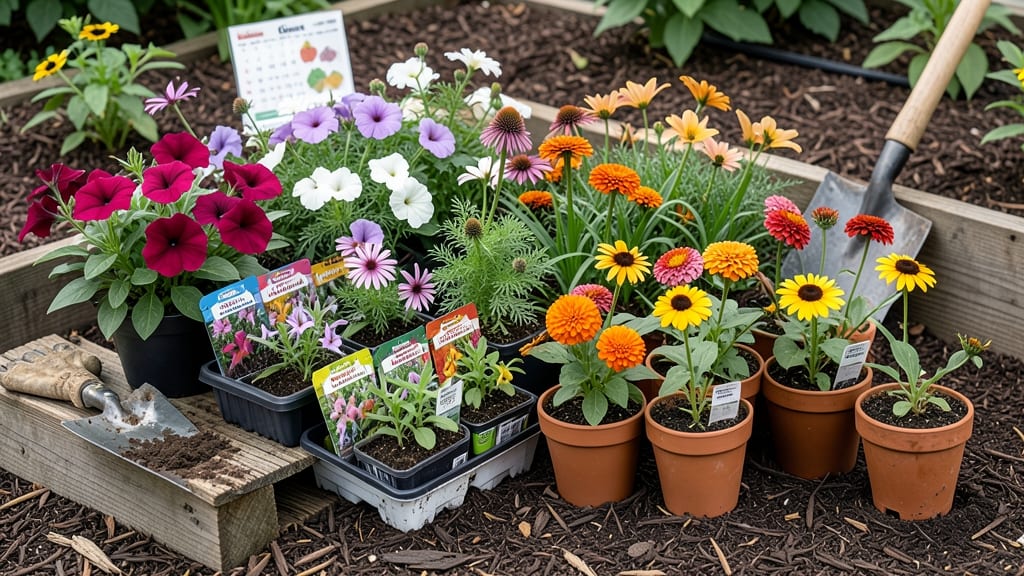
Planting flowers in Ohio at the wrong time can leave you with sad, frost-nipped blooms instead of the vibrant 🌸 display you dream of—but timing it right guarantees a garden bursting with color all season.
Ohio’s spring weather is famously unpredictable, with last-frost dates shifting from mid-April in southern regions to early May in the north. That means waiting too long risks late frosts, while planting too early could smother tender seedlings. The key is knowing your zone and adjusting your schedule accordingly.
In this guide, I’ll break down the exact frost-free windows for Ohio’s six distinct regions, plus pro tips for extending your growing season. Whether you’re sowing hardy perennials in March or waiting for warm soil in May, you’ll learn how to time your plantings for maximum success.
From container gardening hacks to microclimate strategies, we’ll cover everything you need to turn Ohio’s 6a climate into your garden’s greatest advantage. Let’s get those flowers in the ground at the perfect moment!
Ohio’s frost-free dates by region: when to plant flowers safely
Ohio’s diverse climate means last frost dates can vary by 10 days or more between regions. For example, Northeast Ohio often sees its final frost by April 20, while Southwest Ohio may wait until April 28.
Using these regional averages from NOAA and Ohio State University Extension ensures your flowers thrive without frost damage.
Always check your USDA Hardiness Zone (Ohio ranges from 5b to 7a) and monitor local forecasts. A simple soil thermometer (aim for 50°F+) is your best friend—cold soil can stunt young roots even after air temperatures warm up.
Pro tip: Plant cool-season flowers like pansies or sweet peas 4-6 weeks before your region’s last frost date.
🌱
| Region | Avg. Last Frost | Hardiness Zone | Best Planting Window | Top Flowers for Early Planting |
|---|---|---|---|---|
| Northeast Ohio | April 20 | 5b-6a | April 25 - May 10 | Pansies, Sweet Alyssum, Snapdragons |
| Northwest Ohio | April 22 | 5b-6a | April 28 - May 12 | Calendula, Stock, Violas |
| Southeast Ohio | April 25 | 6a-6b | May 1 - May 15 | Lobelia, Petunias, Marigolds |
| Southwest Ohio | April 28 | 6a-6b | May 3 - May 18 | Zinnias, Cosmos, Black-Eyed Susans |
| Central Ohio | April 24 | 6a | April 30 - May 14 | Impatiens, Geraniums, Begonias |
| Appalachian Ohio | May 2 | 5b-6a | May 5 - May 20 | Columbine, Bleeding Heart, Foxgloves |
For perennials, divide your planting into two phases: hardy varieties like coneflowers or black-eyed Susans can go in early spring (March-April), while tender types (e.g., dahlias) wait until after Memorial Day.
Always amend soil with 2-3 inches of compost before planting—Ohio’s clay-heavy soil benefits from organic matter to improve drainage.
If you’re in Zone 5b (like Northeast Ohio), consider starting tender annuals indoors 6-8 weeks before your last frost. Use grow lights for 14-16 hours/day to prevent leggy seedlings. My personal trick? Label seedlings with their last frost tolerance (e.g., "May 10") so I don’t accidentally plant too early.
Urban gardeners in microclimates (like near lakes or buildings) can plant 1-2 weeks earlier—these areas warm up faster. Test your spot by placing a frost-sensitive plant (like basil) outside for a week in April. If it survives, your microclimate is ready for warm-season flowers!
Never plant bulbs (like tulips or daffodils) after October 15—they need 6-8 weeks of cool soil to establish roots. For fall-blooming perennials (e.g., asters or chrysanthemums), plant in early August to give roots time to anchor before winter.
🌿
Best flowers to plant by month in Ohio: a month-by-month guide
Ohio’s diverse climate means you can plant flowers almost year-round, but timing matters for vibrant blooms. Start with cold-hardy annuals in early spring and transition to heat-loving varieties by summer. Here’s my month-by-month breakdown to keep your garden thriving.
March is perfect for tender perennials like heuchera and coral bells, which tolerate light frost. You can also direct-sow snapdragons and lobelia under protective covers if nights dip below 32°F (0°C). These early bloomers add color before summer’s heat arrives.
🌱
May is the sweet spot for most annuals. Once soil warms to 50°F (10°C), plant heat-loving favorites like zinnias and cosmos. These thrive in Ohio’s summer sun and attract pollinators. For perennials, divide peony and daylily clumps in early May to boost next year’s blooms.
Don’t overlook Ohio-native flowers like black-eyed Susans and bee balm, which require minimal care and support local ecosystems. These perennials return year after year, making them a low-maintenance choice for busy gardeners.
For late summer color, sow fall-blooming perennials like Russian sage and sedum in August. These drought-tolerant plants handle Ohio’s hot, dry spells and add structure to autumn gardens. Mulch heavily to retain moisture and protect roots.
Extend your season into early fall by planting pansies and stock in September. These cool-season bloomers tolerate light frosts and provide cheerful color until first frost. Use frost cloth to push back the cutoff date by 2-3 weeks in colder regions.