
Flowers
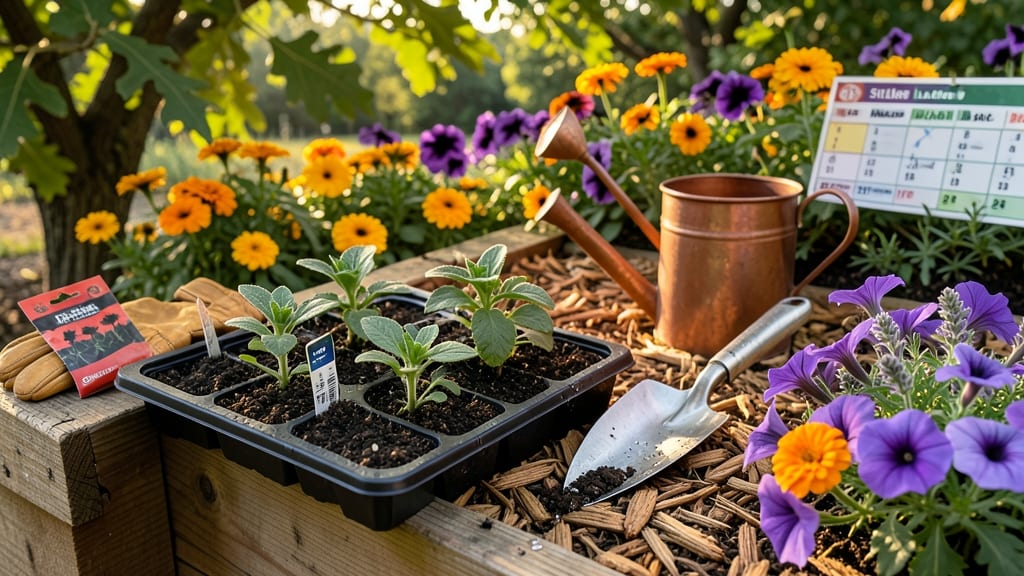
Planting flowers in St. Louis at the wrong time can mean the difference between a vibrant garden and a sad pile of frost-nipped petals.
With USDA Zone 6a frost dates that shift yearly, knowing exactly when to tuck those bulbs or pop those seeds into the soil is your secret weapon for success.
Most gardeners here wait until after the last frost date (April 15) to plant tender annuals like marigolds or petunias, but perennials and bulbs have their own ideal windows.
Whether you're dreaming of coneflowers in summer or daylilies in fall, timing matters more than you might think—and I'll show you exactly how to get it right.
St. Louis' unpredictable weather throws another curveball into the mix, with microclimates that can make your urban garden behave differently than your neighbor's suburban plot.
From adjusting for wind exposure to handling those late spring freezes, I've got the insider tips to help your flowers thrive no matter where you're planting.
Ready to transform your garden into a year-round blooming paradise? Let's dive into the perfect planting schedule, frost dates, and pro tips that'll have your flowers popping up right on cue—no guesswork required.
St. louis frost dates & heat zone map for flower planting
St. Louis sits in USDA Hardiness Zones 6a and 6b, where frost dates determine whether your flowers thrive or wither. The average last spring frost hits around April 15, while the first fall frost typically arrives by October 20.
These dates create a 165-day growing season—perfect for planning when to plant flowers in St. Louis.
Understanding your heat zone helps you match frost-sensitive annuals like marigolds with hardy perennials such as coneflowers. For example, tulip bulbs need planting in October, while petunias wait until May after the last frost. Let’s break down the key frost dates and how they shape your planting calendar.
Your USDA Zone 6a/6b climate means some flowers, like black-eyed Susans, can handle late spring frosts if planted early. Others, such as geraniums, need to wait until soil warms to 55°F after April 15.
Always check your local extended forecast—St. Louis’ unpredictable late spring cold snaps can delay planting by weeks.
For bulbs like tulips, plant them 6-8 weeks before ground freezes (typically October). In contrast, warm-season annuals like zinnias should only go in after May 1, when soil temperatures exceed 60°F.
Use a soil thermometer to confirm—this small tool saves you from frost damage or stunted growth.
St. Louis’ urban vs. rural microclimates also play a role. Urban areas may experience earlier warming due to concrete heat absorption, while rural zones might stay cooler longer. Adjust your planting dates by 1-2 weeks based on your specific location’s frost history.
Pro tip: Use row covers or cold frames to extend your spring planting window by 2-3 weeks. This lets you plant cool-season crops like pansies earlier or protect tender annuals from late frosts. Just remove covers when daytime temps hit 70°F to avoid overheating.
If you’re new to St. Louis gardening, start with hardy perennials like coneflowers or daylilies, which thrive in zones 6a/6b with minimal fuss. These low-maintenance bloomers forgive slight timing mistakes, while annuals like impatiens demand precision. Plan ahead, and your garden will reward you with season-long color.
Remember: The first frost isn’t just about killing plants—it’s your cue to harvest seeds, divide perennials, and mulch bulbs for next year. Mark your calendar for October 20 and start preparing for fall planting in September.
🌱
Best flower planting schedule by month in St. louis
St. Louis’ USDA Zone 6a/6b climate means your flower planting schedule should align with last frost dates (April 15) and first frost (October 20). Miss these windows, and you risk frost damage or missed blooms.
Let’s break down the best month-by-month planting plan for annuals, perennials, and bulbs to keep your garden vibrant all season.
Start with cool-season flowers like pansies and snapdragons in early spring (March) for early blooms. By May, shift to heat-loving annuals like marigolds and zinnias that thrive in St. Louis’ summer sun. Fall planting (September–October) focuses on bulbs and hardy perennials to ensure next year’s color.
🌸 Planting by Month in St. Louis
Plant cool-season annuals (pansies, violas) and hardy perennials (coneflowers, black-eyed Susans). Start tender perennials indoors (e.g., dahlias) 8–10 weeks before last frost.
After April 15 (last frost), plant warm-season annuals (marigolds, zinnias) and vegetable flowers (nasturtiums). Divide overcrowded perennials (e.g., daylilies).
Focus on heat-tolerant flowers (cosmos, sunflowers) and succession plant every 2–3 weeks for continuous blooms. Mulch to retain moisture.
Deadhead spent blooms (e.g., petunias) to encourage regrowth. Water deeply 2–3x/week during droughts. Add fall-blooming bulbs (crocus) in late summer.
Plant fall-blooming annuals (mums, asters) and spring bulbs (tulips, daffodils). Fertilize perennials lightly to boost root growth before winter.
Finish planting hardy bulbs (daffodils) by October 15. Mulch perennials deeply (4–6 inches) to protect from frost.
Don’t forget succession planting—replace early bloomers (like pansies) with late-season varieties (e.g., celosia or salvia) in July for nonstop color. St. Louis’ humid summers also mean prioritizing well-draining soil to prevent root rot in containers.
Pro tip: Use row covers for early spring plantings if frost threatens. And always check the National Weather Service for late-season frost alerts—your tender perennials (like cannas) need protection!