
Flowers
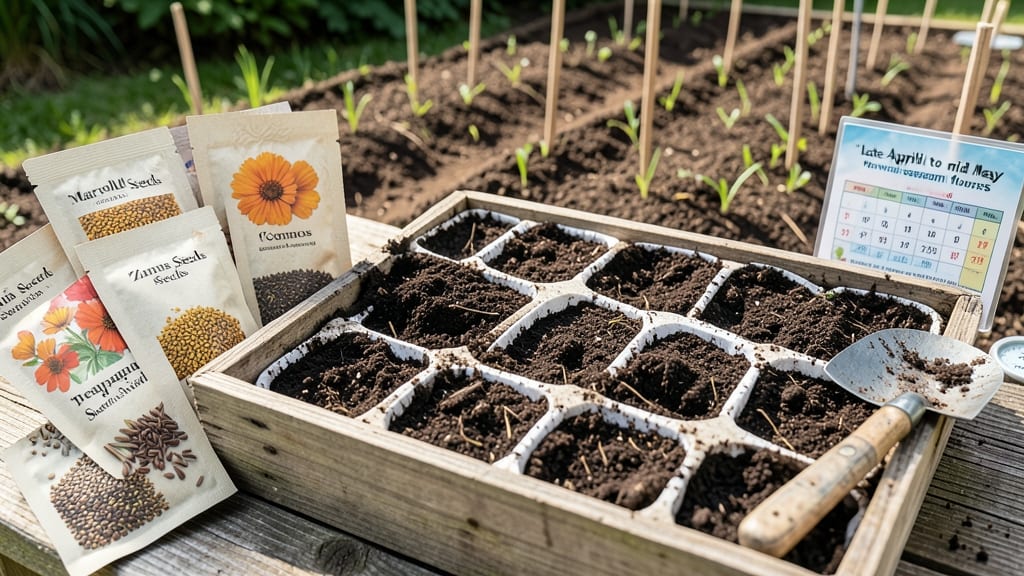
Timing when to plant flower seeds in zone 6 just right makes all the difference between a garden that thrives and one that fizzles. Plant too early, and frost will nip those tender sprouts before they even get started.
Too late, and you’ll miss the growing season entirely—leaving you with bare soil instead of vibrant blooms.
I’ve learned the hard way that spring and fall are the two golden windows for planting flower seeds in Zone 6a, but getting the exact dates right can feel like guessing. Should you start those zinnias after the last frost in mid-April, or hold off until the soil warms up?
And what about fall plantings—can you really get away with sowing seeds in October and still enjoy next year’s blooms?
Here’s the good news: with a few simple rules, you can time your plantings like a pro. We’ll break down the exact spring vs. fall schedule, including soil temperature tricks and when to start seeds indoors for a head start. No more second-guessing—just reliable blooms that last all season.
Whether you’re a first-time gardener or a seasoned green thumb, these strategies will help you avoid common mistakes and maximize your garden’s potential. Let’s get those flower seeds in the ground at the perfect moment—so you can enjoy the results for months to come.
Optimal spring planting dates for flower seeds in Zone 6
Spring is the most popular time to plant flower seeds in Zone 6, but getting the timing right means waiting until after the last frost date—typically around April 15 in most areas. Planting too early risks frost damage, while waiting too long may delay blooms.
Start by checking your local frost dates and soil temperatures, which should ideally be at least 50°F (10°C) for most seeds to germinate.
For annual flowers like zinnias, marigolds, and cosmos, aim to plant seeds 2-4 weeks after your last frost. These heat-loving varieties thrive when soil is warm, and planting them too soon can stunt growth.
Perennials like coneflowers and black-eyed Susans can handle cooler soil, so you can plant them 1-2 weeks earlier than annuals for a head start.
If you're starting seeds indoors for an earlier bloom, begin 6-8 weeks before your last frost date. Use seed-starting trays with a heating mat to ensure consistent germination, and keep seedlings under grow lights for 12-16 hours daily.
Harden off seedlings 1 week before transplanting to acclimate them to outdoor conditions.
🌱 Key Tip: Always read the seed packet for specific instructions—some varieties, like snapdragons, prefer cooler soil and can be planted earlier in spring.
| Flower Type | Best Planting Window | Soil Temp Requirement | Notes |
|---|---|---|---|
| Annuals (Zinnias, Marigolds, Sunflowers) | 2-4 weeks after last frost | 50°F+ (10°C+) | Direct sow after frost; thin seedlings. |
| Perennials (Coneflowers, Black-Eyed Susans) | 1-2 weeks after last frost | 45°F+ (7°C+) | Can handle cooler soil; may bloom first year. |
| Cool-Season Annuals (Pansies, Snapdragons) | Early spring (March) or fall | 40°F+ (4°C+) | Tolerates light frost; great for early blooms. |
| Vegetable Flowers (Nasturtiums, Calendula) | 2-3 weeks after last frost | 55°F+ (13°C+) | Edible flowers; repels pests. |
Prepare your soil by amending it with compost or aged manure to improve drainage and fertility. Flowers need well-draining soil to prevent root rot, so avoid heavy clay soils unless you’ve added organic matter.
Loosen the top 6 inches of soil with a garden fork or tiller to create a seed-friendly environment.
After planting, keep the soil consistently moist but not waterlogged. Use a light mulch like straw to retain moisture and suppress weeds. Most flower seeds germinate within 7-21 days, depending on the variety and soil conditions.
Thin seedlings to 12-18 inches apart (check seed packet guidelines) to give them room to grow.
Monitor your garden for pests like aphids or slugs, which can attack young seedlings. Use neem oil or diatomaceous earth as organic solutions if needed. With the right timing and care, your Zone 6 flower garden will burst into color by early summer!
🌿 Pro Tip: Mark your planting dates on a calendar to track progress and adjust for any unexpected late frosts.
Fall planting strategies for Zone 6: extending your growing season
Fall is my favorite time to plant flower seeds in Zone 6—it’s a secret weapon for early spring blooms! By sowing seeds in late summer or early fall, you give them a head start on root growth before winter.
This strategy works especially well for cool-season flowers like pansies, snapdragons, and sweet alyssum, which thrive in milder temperatures.
Timing is critical: aim to plant 4-6 weeks before your first frost (typically mid-October in Zone 6). This window ensures seeds have enough time to germinate and establish roots before the ground freezes. For example, if your first frost is October 15, plant by early September to avoid winter damage.
The key to fall success is soil preparation. Before planting, enrich your soil with compost to improve drainage and fertility. Fall-planted seeds benefit from cooler temperatures, which reduce stress on young seedlings.
Plus, mulching with straw or leaves helps protect them from temperature swings and retains moisture during dry spells.
Not all flowers are suited for fall planting—stick to cold-hardy annuals and perennials. Avoid tropical flowers like marigolds or zinnias, which won’t survive Zone 6 winters. Instead, opt for pansies, calendula, or violas, which often bloom earlier and last longer when planted in fall.
🌱 Fall Planting Checklist for Zone 6
- 📅 Choose the right time: Plant 4-6 weeks before first frost (late August–early October).
- 🌱 Select cold-hardy seeds: Pansies, snapdragons, sweet alyssum, or calendula.
- 🌡️ Monitor soil temps: Wait until soil cools to 50–60°F for best germination.
- 💧 Water consistently: Keep soil moist but not soggy until seeds sprout.
- 🍂 Mulch lightly: Use straw or leaves to protect seedlings from frost.
One of my favorite fall-planted flowers is calendula, which not only blooms early but also deters pests naturally. To maximize success, start seeds indoors in late summer if your fall window is tight.
Transplant seedlings outdoors once nighttime temperatures drop below 70°F—this mimics their natural growing conditions and reduces transplant shock.
Fall planting is low-maintenance but high-reward. With the right preparation, you’ll enjoy earlier blooms and a garden that stays vibrant longer. Plus, it’s a great way to extend your growing season without extra effort. Give it a try this year—your spring garden will thank you!
🌿