
Plants
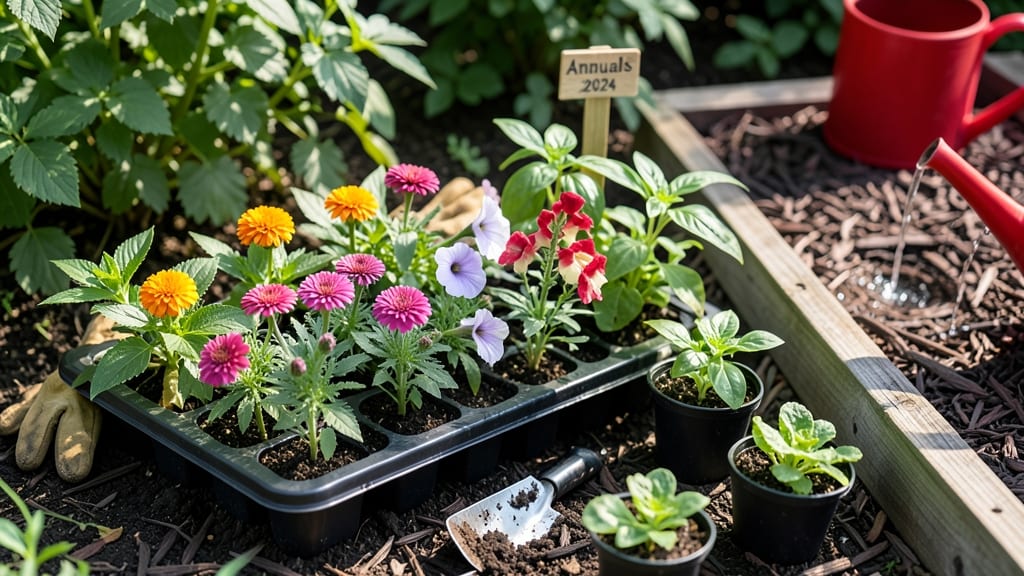
Timing your annuals planting in Virginia wrong could mean watching your vibrant 🌱 marigolds turn into frost casualties before they even bloom. The state’s diverse climate—from the milder coastal plains to the cooler mountain regions—means there’s no single answer for everyone.
Whether you’re in USDA Zone 5a or Zone 8a, knowing when to plant cool-season favorites like pansies or warm-season stars like petunias is the key to a thriving garden.
I’ll break down the exact windows for your microclimate, so you can avoid those late-spring surprises and get your flowers or veggies off to the best start.
You’ll learn how to adjust for Virginia’s unpredictable frost dates, from the Piedmont’s earlier springs to the mountains’ delayed warm-up. Plus, I’ll share pro tips for extending seasons with row covers or choosing the right varieties for your area.
Ready to turn your garden into a showstopper? Let’s dive into the month-by-month planting schedule that’ll keep your annuals blooming all season long—no guesswork required.
Virginia’s annual planting zones: when to plant by microclimate
Virginia’s diverse climate zones—from the coastal plains to the Appalachian Mountains—create unique planting windows for annuals. Understanding your USDA hardiness zone (5a-8a) and last frost dates is key to avoiding frost damage and maximizing blooms.
Coastal areas like Norfolk typically see last frosts in mid-March, while higher elevations in the Blue Ridge Mountains may wait until late April.
The Piedmont region, including Richmond and Charlottesville, usually falls in USDA zones 6b-7a, with last frosts around mid-to-late March. Warm-season annuals like marigolds and petunias thrive once soil temperatures hit 60°F, often by mid-April in most areas.
But don’t rush—late frosts can still sneak in, especially in valleys or urban heat islands.
Microclimates within Virginia can shift planting times by 2-4 weeks. For example, sheltered south-facing slopes warm up faster than north-facing yards or low-lying areas. If you’re unsure about your exact zone, check the Virginia Cooperative Extension’s frost maps or use a frost-free date calculator tailored to your ZIP code.
Here’s how Virginia’s three main regions break down for planting annuals:
| Region | USDA Zone | Last Frost Date | Best Time for Cool-Season Annuals | Best Time for Warm-Season Annuals |
|---|---|---|---|---|
| Coastal Plain (e.g., Norfolk, Virginia Beach) | 7b-8a | Mid-March | Late August–October | Mid-March–April |
| Piedmont (e.g., Richmond, Charlottesville) | 6b-7a | Mid-to-late March | Late August–October | Mid-April–May |
| Mountains (e.g., Roanoke, Blacksburg) | 5a-6a | Late April–May | Late July–September | Late May–June |
For cool-season annuals like pansies or kale, start seeds indoors 6-8 weeks before your last frost date. In coastal Virginia, this means early February, while mountain gardeners should begin in March.
Direct-sow hardy annuals like lettuce or spinach as soon as soil is workable, usually 2-4 weeks before the last frost.
Warm-season annuals, such as tomatoes or impatiens, need to wait until after the last frost and when soil temperatures exceed 60°F. In coastal areas, this is often by mid-April, but in the mountains, you may need to wait until June.
Use black plastic mulch or row covers to warm the soil faster if you’re eager to plant early.
Even within a single region, elevation changes can shift planting times. For example, Roanoke’s suburbs (zone 7a) may plant 2 weeks earlier than high-elevation areas like Big Meadows in Shenandoah National Park (zone 5b). Always monitor local weather forecasts and adjust your timeline accordingly.
If you’re unsure about your exact microclimate, observe your garden’s behavior over a few years. Note when neighborhood trees bloom or when winter mulch thaws—these natural cues can help fine-tune your planting schedule.
For example, red maple trees typically bloom in early April in Virginia, signaling that cool-season annuals are safe to plant.
Pro tip
Cool-season vs. warm-season annuals: exact planting dates for Virginia gardens
Virginia’s last frost dates vary dramatically—from March 15 in coastal zones to May 1 in mountain regions—so aligning your planting schedule with these windows is critical. Cool-season annuals like pansies and snapdragons thrive when soil temps dip below 70°F, while warm-season favorites such as petunias and marigolds need consistent warmth above 60°F to germinate.
For cool-season annuals, aim to plant 4-6 weeks before your last frost date. This gives seeds time to establish roots before summer heat arrives. In Zone 7a (Piedmont), that means late February to early March for early bloomers like violas and stock.
In cooler mountain zones (Zone 5b), wait until mid-April to avoid frost damage.
Warm-season annuals, however, demand patience. Wait until two weeks after your last frost date—typically mid-April in coastal areas and late May in the mountains—to plant tomatoes, peppers, or basil. These plants cannot tolerate frost and will bolt or die if exposed to temperatures below 50°F.
| Plant Type | Best Planting Window | Soil Temp Requirement | Virginia Zones |
|---|---|---|---|
| Cool-Season Annuals (Pansies, Snapdragons, Kale) | 4-6 weeks before last frost | Below 70°F | Coastal (Zone 8a): Feb 15-Mar 1 Piedmont (Zone 7a): Mar 1-Apr 1 Mountains (Zone 5b): Apr 15-May 1 |
| Warm-Season Annuals (Petunias, Marigolds, Basil) | 2 weeks after last frost | Above 60°F | Coastal (Zone 8a): Apr 15-May 1 Piedmont (Zone 7a): May 1-Jun 1 Mountains (Zone 5b): Jun 1-Jul 1 |
| Heat-Tolerant Annuals (Zinnias, Sunflowers, Okra) | After soil reaches 70°F | Above 75°F | All zones: Jun 15-Aug 15 |
Extending your growing season is easier than you think! Use row covers or cold frames to plant cool-season annuals 2-3 weeks earlier in spring or warm-season annuals 2-3 weeks later in fall.
For example, in Zone 7a, you can start basil under a floating row cover by April 15 instead of waiting until May.
Pro tip: Monitor soil temperature with a soil thermometer—most warm-season seeds need 70°F+ to germinate. If your garden runs cooler than average (common in mountain valleys), opt for fast-maturing varieties or use black plastic mulch to warm the soil faster.
Remember, late frosts can still sneak in! Keep an eye on the National Weather Service for frost warnings and have row covers or frost cloth ready to protect tender seedlings. With these strategies, you’ll maximize your Virginia annual blooms from spring to frost! 🌸