
Plants
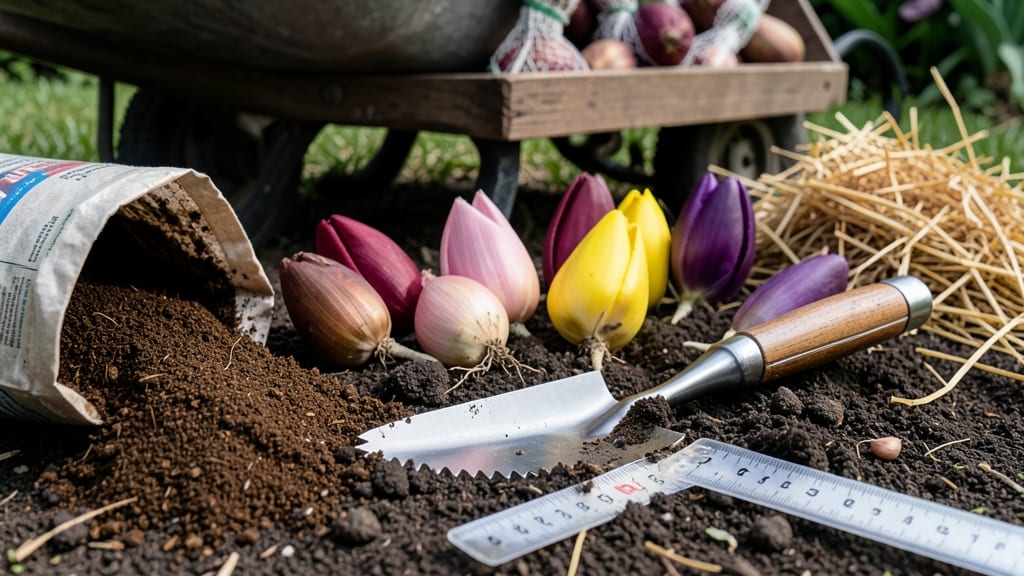
Planting tulip bulbs 🌷 in North Carolina at the wrong time can mean the difference between a stunning spring garden and a wasted investment.
The key to success lies in understanding your local climate—especially in zones 7a-8b—where timing must align with the first frost, typically arriving between mid-November and early December.
If you've ever wondered why some gardens burst with color while others struggle, it often comes down to fall planting. Bulbs need 4-6 weeks in the ground before the soil freezes solid, giving them time to establish roots.
In North Carolina, that window opens in October and stretches through December, but rushing it could leave your bulbs vulnerable to rot.
Don't let uncertainty hold you back—this guide will walk you through the exact dates, soil prep tips, and post-planting care to ensure your tulips thrive.
Whether you're a seasoned gardener or a beginner, mastering this timing secret will set you up for zero-frost success and blooms that steal the show next spring.
From choosing the right bulbs to mulching for winter protection, we'll cover everything you need to know. Let's get those tulips in the ground the right way—so you can enjoy their beauty without the guesswork.
North Carolina’s ideal tulip bulb planting window: exact dates by hardiness Zone
Timing your tulip bulbs perfectly in North Carolina means accounting for the state’s USDA Zones 7a-8b and unpredictable frost patterns. The ideal window spans October through December, but exact dates depend on your specific zone and local climate trends.
Planting too early risks rot from warm, wet soil, while waiting too late leaves bulbs vulnerable to frost before they root.
For most of North Carolina, aim to plant tulip bulbs 4-6 weeks before the first hard frost. In Zone 7a (western mountains), this typically means mid-October to early November.
Gardeners in Zone 8b (coastal areas) have until late November or early December, thanks to milder winters. Always check your local frost date averages—they can vary by 1-2 weeks yearly.
Soil temperature is your best guide: bulbs thrive when soil cools to 50-60°F (10-15°C). Use a soil thermometer to confirm readiness—planting in warm soil (>60°F) can trigger premature sprouting, while cold soil (<40°F) slows root growth.
In North Carolina’s clay-heavy soils, amending with compost improves drainage and warms up faster.
Here’s how to adjust for early/late freezes: if your area experiences unseasonably warm falls, plant bulbs slightly earlier to avoid soggy soil. Conversely, if early frosts are forecasted, extend your planting window by 1-2 weeks—bulbs can tolerate light frosts once planted.
Always prioritize well-draining soil to prevent bulb rot during winter’s wet spells.
| Zone | Ideal Planting Window | Soil Temp | Risk Period |
|---|---|---|---|
| 7a (Mountains) | Mid-October – Early November | 50-60°F (10-15°C) | After Nov 15 (frost risk) |
| 7b (Piedmont) | Late October – Mid-November | 50-60°F (10-15°C) | After Dec 1 (frost risk) |
| 8a (Coastal) | November – Early December | 55-65°F (13-18°C) | After Dec 15 (frost risk) |
| 8b (Outer Banks) | Late November – Early January | 55-65°F (13-18°C) | After Jan 10 (unlikely frost) |
Pro tip: North Carolina’s microclimates can shift planting windows by 2-3 weeks. For example, Asheville (Zone 7a) may need bulbs in by October 20th, while Wilmington (Zone 8b) can wait until December 1st.
Check your local Cooperative Extension office for hyper-local advice—some years, early December planting still works in sheltered spots.
Don’t stress about January planting—it’s possible in Zone 8b if soil hasn’t frozen solid. However, bulbs planted this late may produce fewer blooms or smaller flowers. Always plant in well-draining soil and mulch heavily to insulate roots.
In Zone 7a, January planting is risky unless you have heavily mulched beds or a frost-free microclimate.
For container gardening in North Carolina, follow the same timeline but use well-draining pots with holes. Place containers in sheltered spots (like against a south-facing wall) to extend your planting window by 1-2 weeks.
Just remember: containers freeze faster than in-ground beds, so mulch generously with straw or shredded leaves.
If you miss the fall window, January is your last chance—but prioritize dwarf varieties like ‘Tiny Star’ or ‘Queen of Night’, which handle late planting better.
These miniature tulips (8-12 inches tall) bloom reliably even when roots are still establishing. For standard-sized tulips, fall planting is non-negotiable for optimal blooms.
Remember: North Carolina’s tulips need 6-8 weeks of cold dormancy to bloom well. Planting too late in fall or too early in winter disrupts this cycle, leading to weak stems or no flowers. The key is balancing root establishment with frost protectionconsistent freezing sets in.
North Carolina’s ideal tulip bulb planting window: exact dates by hardiness Zone
North Carolina’s USDA Zones 7a-8b create a 6-8 week window for tulip bulb planting, typically from mid-October to December. The key is planting 4-6 weeks before the ground freezes—usually mid-November across most of the state.
In Zone 7a (western NC), aim for early October to avoid early frosts, while Zone 8b (coastal areas) can plant until early December.
Soil temperature is your best indicator: tulip bulbs need 40-50°F soil to root before winter dormancy. Use a soil thermometer to check—if temps drop below 40°F, bulbs risk rotting. In clay-heavy NC soils, amend with compost or sand to improve drainage, which is critical for bulb health.
🌷 Planting Deadlines by Zone:
- Zone 7a (Asheville, Boone): October 1-15
- Zone 7b (Raleigh, Greensboro): October 15-November 1
- Zone 8a (Charlotte, Fayetteville): November 1-15
- Zone 8b (Wilmington, Outer Banks): November 15-December 1
| Zone | Ideal Planting Window | Soil Temp Goal | Risk if Planted Late |
|---|---|---|---|
| 7a (Western NC) | October 1-15 | 45-50°F | Bulb rot from early frost |
| 7b (Central NC) | October 15-Nov 1 | 40-45°F | Poor root establishment |
| 8a (Piedmont) | Nov 1-15 | 38-42°F | Dormancy before rooting |
| 8b (Coastal NC) | Nov 15-Dec 1 | 35-40°F | Minimal winter chill |
⚠️ Pro Tip: Plant in full sun (6+ hours) for best spring blooms!
Adjust your timeline if unpredictable NC weather throws off your plans. For example, if early frosts hit in October (common in Zone 7a), opt for container planting to delay outdoor exposure.
Conversely, mild winters in Zone 8b may require chilling bulbs in the fridge (35-40°F for 8-12 weeks) to mimic dormancy.
Once planted, mulch with 2-3 inches of straw or shredded leaves to insulate bulbs and retain moisture. This is especially critical in NC’s fluctuating fall temperatures, where nights can drop to 30°F while days stay mild.
Avoid heavy mulch in sandy soils (common in coastal areas), as it can dry out too quickly.
Remember: Tulips need winter chill (30-50°F for 12-16 weeks) to bloom. If you’re in Zone 8b with mild winters, choose hybrid tulips (like ‘Darwin’ or ‘Parrot’ varieties) that tolerate shorter chill periods. For Zone 7a gardeners, classic Dutch varieties thrive with NC’s longer cold snaps.