
Flowers
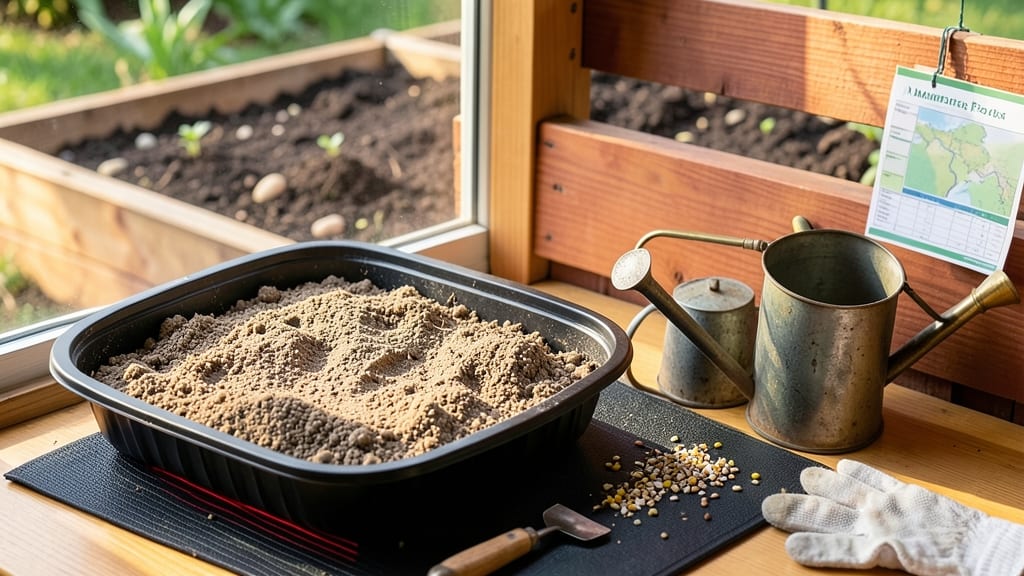
Planting flower seeds in Michigan at the wrong time can mean the difference between a garden bursting with 🌸 and a sad, frost-nibbled disappointment. The last frost date isn't just a number—it's your garden's deadline, and getting it wrong costs you months of vibrant blooms.
I've learned the hard way that Michigan's USDA Zones 5b-6b demand precision. Too early, and a late frost will wipe out your seedlings. Too late, and your flowers might never reach their full potential before winter sets in.
The key? Knowing exactly when to start seeds indoors versus when to sow directly into the soil.
In this guide, I'll break down the exact planting windows for Michigan gardeners—whether you're in Detroit, Traverse City, or the Upper Peninsula—so you can avoid common mistakes and enjoy a garden that thrives all season long.
From cold-hardy cosmos to heat-loving zinnias, we'll cover everything you need to time your plantings perfectly, including how to adjust for Michigan's unpredictable weather. Let's get those seeds in the ground when they belong there!
Michigan flower seed planting deadlines by USDA Zone (5, 6, and 7)
Michigan spans USDA Zones 5, 6, and 7, where last frost dates can vary by 2-3 weeks between northern and southern regions. In Zone 5b (northern Michigan), average last frost arrives around May 15, while Zone 6b (southern Michigan) typically sees frost-free conditions by April 25.
These dates determine when you can safely plant cold-sensitive flower seeds outdoors.
For spring planting, aim to sow seeds 2-3 weeks after your region’s last frost date.
In Zone 7, that’s often by late April, while Zone 5 gardeners should wait until early May. Fall planting for cool-season flowers (like pansies or sweet alyssum) starts in August—6-8 weeks before your first frost.
Soil temperature matters just as much as air temperature. Most flower seeds need soil at 60°F or warmer to germinate. Use a soil thermometer to confirm readiness—cold soil can delay germination by weeks.
In northern Michigan, soil may not warm enough until late May, even if frost risk has passed.
Here’s a quick reference for Michigan’s frost-free windows by zone, including key deadlines for spring and fall planting:
For tender annuals like petunias or geraniums, wait until soil is consistently 60°F+—often 2-3 weeks after the last frost date. Cold-hardy flowers (e.g., pansies, sweet alyssum, or calendula) can handle light frosts and can be planted 2-3 weeks earlier than heat-lovers.
Pro tip: Use row covers or cold frames to extend your spring planting window by 2-4 weeks. This lets you sow cold-sensitive seeds like marigolds or zinnias earlier without frost risk. Just remove covers when flowers start blooming to prevent overheating.
In northern Michigan, where Zone 5 dominates, late May is often the safest time to plant direct-sown seeds.
Southern Michigan gardeners in Zone 6-7 can start as early as mid-April for cool-season flowers, but always check a local frost calendar—like the Michigan State University Extension maps—for your exact location.
For fall planting, focus on cool-season annuals that thrive in mild autumn temperatures. Sow seeds in August for blooms that last until first frost. Examples include cosmos, snapdragons, and black-eyed Susans, which tolerate light frosts and even brighten up winter gardens under snow.
Remember: Succession planting is key in Michigan’s short season. Stagger your flower seed sowing every 2-3 weeks from
Best flowers to plant as seeds in Michigan (and when to start indoors)
Michigan’s short growing season demands smart choices—some flowers thrive when started indoors, while others germinate best directly in warm soil. For cold-hardy annuals like snapdragons and calendula, begin seeds indoors 6-8 weeks before your last frost (typically mid-March).
Tender varieties like petunias and marigolds need a later start—wait until 4-6 weeks before transplanting after frost danger passes (early May).
Direct-sowing flowers like cosmos, zinnias, and black-eyed Susans can handle Michigan’s cool spring soils once temperatures hit 60°F+. These heat-lovers often bloom faster when planted after May 15, avoiding early-season pests.
For fall blooms, sow cosmos or sunflowers in late July for a late-summer show before frost.
🌱
- Snapdragons (March 15)
- Calendula (March 15)
- Pansies (March 15)
- Petunias (May 1)
- Marigolds (May 1)
- Zinnias (May 15)
- Cosmos (May 15)
- Sunflowers (May 20)
- Black-Eyed Susans (June 1)
- Cosmos (July 15)
- Sunflowers (July 20)
- Marigolds (August 1)
Pro tip: Use biodegradable pots for seedlings to avoid transplant shock. Harden off seedlings by placing them outdoors for 2-3 hours daily starting 1 week before transplanting.
This gradual adjustment prevents stress from Michigan’s unpredictable spring winds. For extended blooms, deadhead spent flowers every 2 weeks—this encourages continuous flowering through summer.
🌿
If you’re short on space, prioritize compact varieties like dwarf zinnias (18 inches tall) or trailing petunias, which thrive in containers. These work beautifully on patios or balconies, giving you portable blooms even in small yards.
For cut flowers, grow sunflowers or hollyhocks—their tall stems hold up well in bouquets and attract pollinators like bees and butterflies.
☀️