
Trees
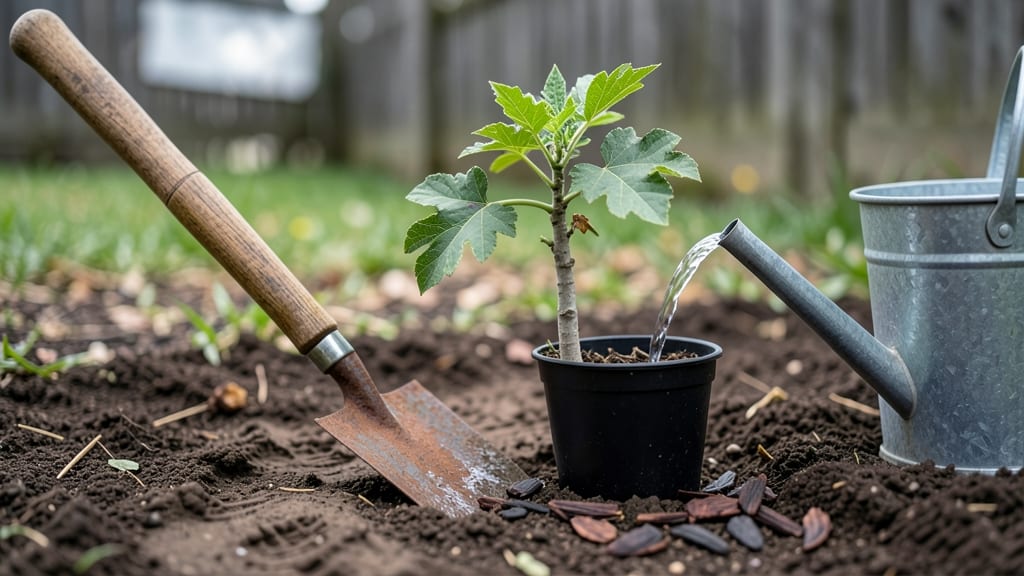
Timing your 🍇 fig tree planting in North Carolina can make or break your harvest—get it wrong, and you might end up with bitter fruit or no fruit at all.
The key lies in matching your variety to the chill-hour needs of your specific region, whether you're in the mountains or coastal plains.
Most NC gardeners plant their 🍇 fig trees in early spring (March-April) or late fall (September-October), but the right window depends on your last frost date and variety. Hardier types like Chicago Hardy can handle cooler climates, while heat-loving varieties need warmer soil to thrive.
You don't have to be a master gardener to get this right—I'll walk you through the exact planting windows, soil prep tips, and even how container growing can give you more flexibility. Let's make sure your fig tree gets off to the best possible start for a bountiful harvest.
From choosing the perfect spot to understanding how microclimates affect your tree, these insights will help you avoid common mistakes and set your 🍇 fig tree up for success. Ready to plant with confidence?
North Carolina chill-hours zones: best fig tree varieties by region
North Carolina's diverse climate creates three distinct chill-hour zones that directly impact fig tree success. Figs require 200-1,000 chill hours (below 45°F) to break dormancy and produce sweet fruit.
Southern NC's mild winters (Zone 8a) often struggle with heat-loving varieties, while mountain regions (Zone 7a) handle hardier figs with ease.
Understanding your chill hours helps you select varieties that thrive in your microclimate. For example, Celeste figs (600-800 hours) excel in Piedmont areas, while Chicago Hardy (1,000+ hours) dominates mountain zones. Southern NC gardeners often supplement chill hours with winter protection or choose low-chill varieties like Brown Turkey.
Here's how NC's chill-hour zones break down and which fig varieties match best:
| Zone | Chill Hours | Best Varieties | Notes |
|---|---|---|---|
| Southern NC (Zone 8a) | 200-500 hours | Brown Turkey, Celestine, Violette de Bordeaux | Heat tolerant; may need winter protection |
| Piedmont (Zone 7b) | 500-800 hours | Celeste, Desert King, Black Mission | Balanced chill needs; reliable fruiting |
| Mountains (Zone 7a) | 800-1,000+ hours | Chicago Hardy, Osborn Prolific, Panache | Cold-hardy; needs winter mulch |
For southern NC gardeners, consider container growing to move figs indoors during winter. A simple trick is placing potted figs near a south-facing window during cold snaps, which can provide the 200-300 chill hours needed for fruiting.
I've successfully grown Brown Turkey in pots on my sunroom patio during winters, achieving full harvests each season.
In mountain regions, focus on cold-hardy varieties like Chicago Hardy. These figs handle 20°F temperatures with proper mulching. I recommend applying 6-8 inches of straw mulch around the base in late fall to protect roots during NC's occasional winter dips below freezing.
One common mistake is assuming all figs thrive in NC's climate. Mediterranean varieties like Smyrna figs (requiring cross-pollination) rarely succeed in NC's humid summers. Instead, opt for common fig varieties that produce fruit without pollination. These are more adaptable to NC's hot, humid summers and mild winters.
To test your chill hours, use a chill-hour calculator or check with your local Cooperative Extension Service. For example, Raleigh typically sees 600-700 chill hours, while Asheville averages 900-1,000 hours. This 200-hour difference explains why Celeste thrives in Raleigh but may struggle in Charlotte.
Pro tip: If you're in a low-chill zone (like coastal NC), try early spring planting (March) to give roots time to establish before summer heat. I've found that container-grown figs planted in March often outperform fall-planted trees in these areas.
Remember, chill hours ≠ frost dates. Even if your area gets 300 chill hours, you can still grow figs by using winter protection techniques or selecting low-chill varieties. The key is matching your microclimate with the right variety.
Step-by-step planting timeline for NC climates: When to plant bare root vs container figs
North Carolina’s diverse climate means your fig tree planting timeline depends on whether you’re in the coastal zone, Piedmont region, or mountain areas. Coastal areas like Wilmington have warmer winters and later frosts, while the mountains (like Asheville) experience earlier frost dates.
Understanding these differences helps you avoid chill-hour mismatches that lead to poor fruit set.
For most of NC (USDA zones 7a-8b), the ideal planting windows are March-April (spring) or September-October (fall).
Spring planting gives roots time to establish before summer heat, while fall planting allows trees to settle before winter dormancy. Bare-root figs and container-grown figs each have unique timing needs, so let’s break it down step by step.
📅 Step-by-Step Planting Timeline for NC
-
Step 1: Choose Your Fig Type
Bare-root figs (cheaper, dormant) vs. container-grown (faster establishment, pricier). -
Step 2: Test Soil & Amend (February-March)
Figs need well-draining soil (pH 6.0-7.0). Mix in compost or sand if your soil is clay-heavy. Coastal areas may need extra drainage to prevent root rot. -
Step 3: Plant Bare-Root Figs (March-April)
When: After last frost date (mid-April in most of NC, earlier in mountains). Soak bare roots in water for 2-3 hours before planting. Dig a hole twice as wide as the root ball but no deeper. -
Step 4: Plant Container Figs (April-May or September)
Container-grown figs can be planted 2-4 weeks later than bare-root (since they’re less stressed). Gently remove from pot and loosen roots if circling. Water thoroughly after planting to eliminate air pockets. -
Step 5: Mulch & Water (Critical First 30 Days)
Apply 2-3 inches of mulch (straw or wood chips) to retain moisture. Water deeply 2-3 times per week for the first month. Avoid wetting leaves to prevent fungal diseases. -
Step 6: Fall Planting (September-October)
Only plant container-grown figs in fall (bare-root trees won’t establish before winter). Choose a sheltered spot to protect from cold winds. Water regularly until ground freezes. -
Step 7: Post-Planting Care (All Seasons)
Spring: Prune dead branches. Summer: Fertilize with balanced 6-10-10 every 6 weeks. Fall: Reduce watering as temps drop. Winter: Protect young trees with burlap wraps in frost-prone areas.
Pro Tip: Coastal NC gardeners can plant earlier (February) since frosts are rare, but mountain areas should wait until after April 15 to avoid frost damage. 🌱
If you’re in southern NC (zones 8a-8b), where winters are milder, you can push your spring planting to February for container-grown figs. However, avoid planting in summer—the heat stress can stunt root growth.
For mountain regions (zones 6b-7a), prioritize fall planting to give roots time to establish before the first frost.
One common question I hear is: "Can I plant fig trees in containers for more flexibility?" The answer is yes! Container-grown figs let you move trees indoors during winter or to warmer microclimates (like near a south-facing wall).
Just ensure your pot has drainage holes and use a lightweight potting mix with perlite. Container figs can be planted anytime soil temps are above 60°F, giving you a longer window than bare-root options.
Remember, chill hours matter. Varieties like Celeste (400-600 hours) thrive in southern NC, while Brown Turkey (800+ hours) needs the cooler mountain climates. Matching your fig variety to your chill hours is the secret to sweet, reliable fruit every season. ☀️