
Trees
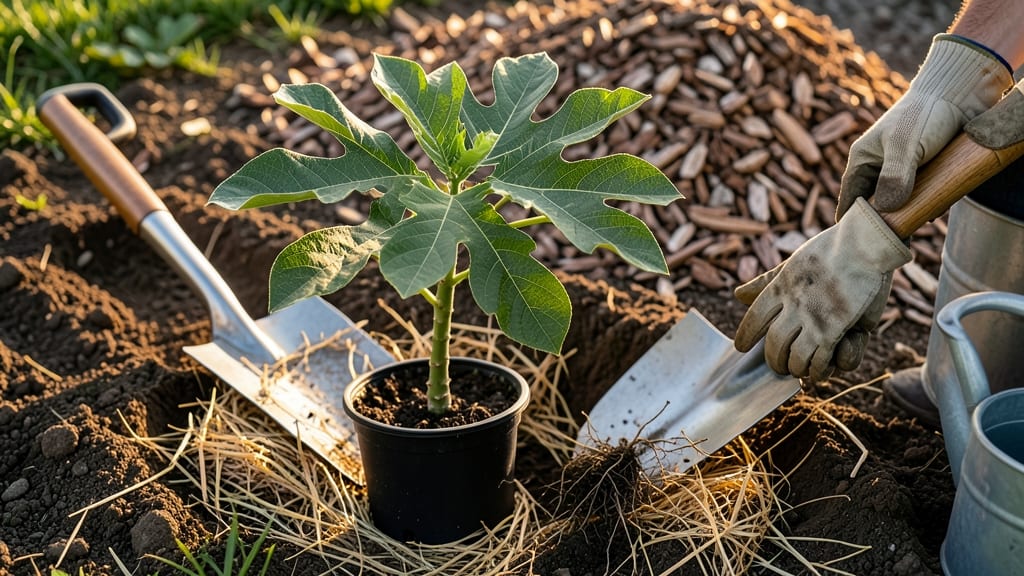
Planting your 🍈 fig tree at the wrong time in Georgia can mean the difference between a thriving orchard and a struggling sapling. The key to fast root establishment isn't just about avoiding frost—it's about waiting for soil temperatures to hit 60°F or warmer, which triggers vigorous growth.
Most Georgia gardeners swear by spring planting in March or April, once the last frost has passed, but fall planting in September or October also works if you're in warmer microclimates like coastal areas.
The Piedmont and mountain regions, however, need extra caution—those cooler nights can stall root development if you plant too early.
Don't make the mistake of rushing in February just because the calendar says spring. Your fig tree's roots need warmth to spread quickly, and cold soil can leave them vulnerable to rot. I'll show you exactly how to time your planting for maximum growth in Georgia's unique climate zones.
From soil prep to post-planting care, these strategies will help your fig tree establish roots in half the time while avoiding common pitfalls. Let's get your tree off to the fastest possible start.
Georgia’s fig planting timeline: soil temperature triggers for success
Fig trees thrive in Georgia’s climate, but planting at the wrong time can stunt growth or even kill young roots. The key to success lies in soil temperature—figs need 60°F+ soil to establish roots properly.
In Georgia, this typically aligns with late winter to early spring, but exact timing varies by region.
Georgia’s diverse microclimates—from the coastal plain to the Piedmont and mountains—create different planting windows. Coastal areas like Savannah can plant as early as February, while higher elevations near Blue Ridge may wait until April.
Always check your last frost date (usually mid-March for most of the state) to avoid frost damage.
Here’s the critical rule: Plant when soil temperatures consistently stay above 60°F. Use a soil thermometer to confirm—this is especially important for bare-root figs, which are more vulnerable to cold stress. Container-grown figs can handle slightly cooler soil but still need warmth for root growth.
For fall planting, aim for September to early October—this gives roots time to establish before winter dormancy. Avoid planting in November, as young trees may not harden off in time for Georgia’s first frosts (mid-November in most areas).
🌱 Georgia Fig Planting Timeline by Region
| Region | Ideal Planting Window | Soil Temp Requirement | Key Considerations |
|---|---|---|---|
| Coastal (Savannah, Brunswick) | Late February – Early April | 60°F+ (earlier than inland) | Warmer microclimates; watch for humidity-related fungal risks. |
| Piedmont (Atlanta, Macon) | Mid-March – Mid-April | 60°F+ (verify with thermometer) | Moderate frost risk; mulch heavily for winter protection. |
| Mountains (Blue Ridge) | Late April – Early May | 65°F+ (cooler soils delay planting) | Shorter growing season; container planting extends options. |
| All Regions (Fall) | September – Early October | 60°F+ (soil must warm after summer) | Avoid November planting—roots won’t establish before frost. |
If you’re unsure about your soil temperature, use a soil thermometer for 3–5 days to confirm consistency. Pro tip: Black plastic mulch can warm soil by 5–10°F, helping you plant earlier in cooler regions. Just remove it once roots are established to avoid overheating.
For container-grown figs, timing is less critical since you control the root zone. However, still aim for 60°F+ soil and move pots to a sheltered spot if frost is forecasted. Containers also let you extend the growing season by bringing them indoors during winter.
Remember: Figs hate soggy roots. If you plant too early and encounter unusually wet soil, roots may rot before they establish. Amend clay-heavy soils with compost or sand to improve drainage—this is non-negotiable for Georgia’s varied soil types.
Once planted, mulch with 2–3 inches of organic mulch (straw or wood chips) to retain soil warmth and moisture. This mimics figs’ Mediterranean native conditions and helps young trees survive Georgia’s hot summers and mild winters.
🌱
Georgia’s fig planting timeline: soil temperature triggers for success
Fig trees thrive in Georgia’s USDA zones 7a–8b, but planting at the wrong time can stunt growth or even kill young trees. The key is waiting until the soil temperature reaches at least 60°F—this triggers root establishment and prevents transplant shock.
In most of Georgia, this happens between mid-March and early April, but coastal areas like Savannah may see earlier windows.
For fall planting, aim for September–October when nighttime temperatures drop below 70°F but before the first frost. This gives roots time to establish before winter dormancy. In the Piedmont region, where frosts arrive earlier, late September is ideal, while mountain areas like Blue Ridge should wait until October.
🌱 Pro Tip: Use a soil thermometer to confirm warmth before planting. Cold soil slows root growth and makes trees vulnerable to disease.
| Region | Best Planting Window | Soil Temp Requirement | Frost-Free Date |
|---|---|---|---|
| Coastal (Savannah, Brunswick) | Late February–March | 60°F+ | Mid-February |
| Piedmont (Atlanta, Macon) | March–April | 60°F+ | Mid-March |
| Mountains (Blue Ridge, Dahlonega) | April–May or September–October | 65°F+ | Late April |
If you’re in a colder microclimate (like the North Georgia mountains), consider container planting for flexibility. Move pots indoors or under a hoop house during winter. For in-ground planting, choose sheltered spots like south-facing slopes where frost lingers less.
🌡️ Warning: Planting too early in cold soil can cause root rot or fungal infections. Wait for consistent warmth—even if air temps are mild.
After planting, mulch heavily with straw or wood chips to retain soil warmth and moisture. This mimics fig trees’ Mediterranean climate and speeds up establishment. In Zone 7a (like North Georgia), add an extra layer of mulch to protect roots during winter.
💡 Remember: Figs are fast growers once established, but getting them off to the right start means better yields and healthier trees for years to come.