
Plants
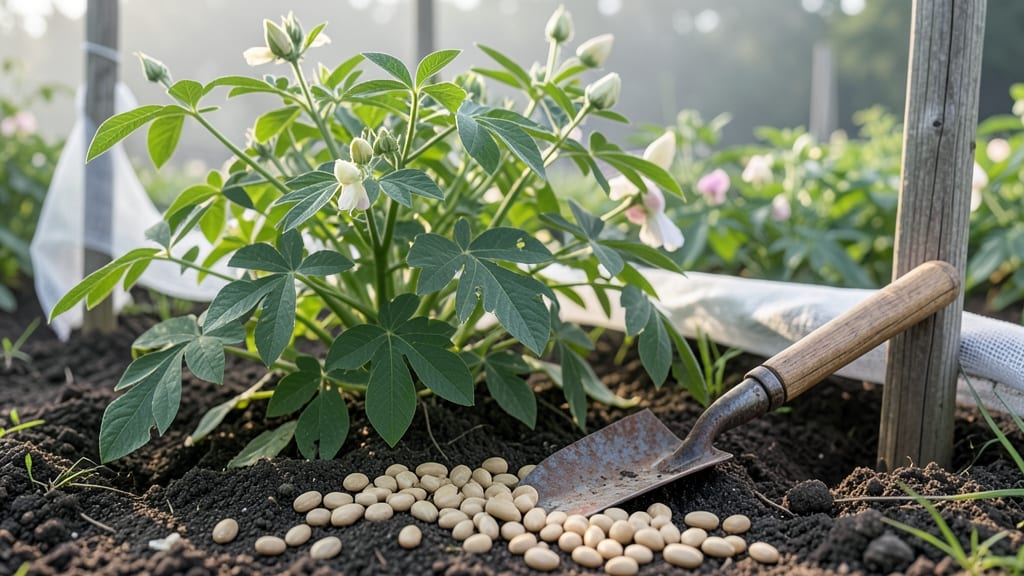
Planting fava beans at the wrong time in Zone 6 can mean the difference between a bountiful harvest and wasted effort—especially when frost sneaks in unexpectedly.
These cold-hardy legumes thrive when sown just right, but getting the timing off by even a few weeks can trigger early bolting or stunted growth.
For most of Zone 6 (including 6a), the sweet spot is 4-6 weeks before your last frost date—typically mid-March in many regions. But here’s the catch: late summer plantings (like early August) also work for a fall harvest, provided you account for your first frost around October 15.
I’ll show you exactly how to align your schedule with your local climate to avoid common pitfalls.
Why does this matter? Fava beans 🌱 are one of the easiest cold-tolerant crops to grow, but they demand precision. Too early, and they’ll bolt before summer heat sets in; too late, and frost will nip them before they mature.
The key is understanding your microclimate—whether you’re in Ohio’s humid summers or Colorado’s drier air—and adjusting your planting window accordingly.
In this guide, I’ll break down the exact weeks to plant for both spring and fall harvests, soil prep tips, and how to protect your crop from late frosts. By the end, you’ll know precisely when to get those seeds in the ground for maximum yields—no guesswork required.
Optimal planting weeks before last frost for Zone 6 fava beans
Fava beans thrive in Zone 6 when planted at the right time—too early, and they’ll bolt; too late, and frost will damage tender seedlings.
The best window is 4-6 weeks before your last spring frost (typically mid-March to early April) or 8-10 weeks before the first fall frost (late August to mid-September). This timing ensures strong root establishment before extreme temperatures arrive.
Zone 6’s frost-free season averages 165 days, giving fava beans just enough time to mature if planted correctly. For spring planting, aim for soil temperatures above 40°F—cold soil slows germination. In fall, plant early enough for pods to mature before hard frosts hit in October.
Regional variations matter: In Ohio or Pennsylvania, last frost dates are mid-April, while in Colorado or Utah, they’re later (early May). Adjust your planting schedule by checking your local USDA Plant Hardiness Zone 6a/6b maps for precise frost dates.
Here’s how planting timing affects success rates in Zone 6:
For spring planting, start seeds indoors 6-8 weeks before the last frost to transplant hardened-off seedlings after soil warms. In fall, direct-sow seeds 8-10 weeks before your first frost—this gives pods time to swell before winter sets in.
Pro tip: Use a soil thermometer to confirm temperatures are ideal. Fava beans germinate best in 50-60°F soil, but they tolerate brief cold snaps once established. Mulch with straw to protect roots during temperature swings.
In Zone 6a (colder), like western Colorado, plant 2-3 weeks later than in 6b (e.g., Ohio). Late frosts in spring can damage seedlings, so have row covers ready for protection.
Remember: Fava beans are cool-season crops, meaning they prefer mild temperatures (50-75°F). Planting too late in spring or too early in fall risks heat stress or frost damage, respectively.
🌱
How to adjust planting for fall vs. winter harvests in Zone 6
Fava beans in Zone 6 offer a unique advantage—you can plant them in both fall and winter for different harvest windows. Fall planting gives you a winter harvest, while winter planting sets you up for a spring harvest.
The key is adjusting your timing based on your first frost date and soil conditions.
For a fall harvest, plant fava beans 8-10 weeks before your first frost (typically late August to early September in Zone 6). This gives them enough time to mature before cold temperatures set in.
If you're aiming for a spring harvest, plant in late winter (February) when soil temperatures are above 40°F.
Adjusting for these seasons means paying close attention to soil temperature and frost protection. Cold soil can slow germination, so use row covers or mulch to keep roots warm.
In Zone 6, late frosts can still occur in spring, so be ready to protect young plants with cloche covers or frost cloth.
Here’s a critical tip: Never plant fava beans in soggy soil. Overwatering in cold conditions can lead to root rot, which is especially risky in fall and winter planting. Instead, water deeply but infrequently to encourage strong root development.
⚠️ Common Pitfalls to Avoid
- Overwatering in cold soil can drown seeds and seedlings.
- Planting too late in fall risks immature pods before frost.
- Skipping frost protection leaves young plants vulnerable to late frosts.
- Ignoring soil temperature delays germination or stunts growth.
Protect your investment by monitoring weather forecasts and adjusting your planting schedule as needed.
To maximize success, test your soil pH before planting—fava beans thrive in slightly alkaline soil (pH 6.0-7.5). If your soil is too acidic, amend it with lime 4-6 weeks before planting. This is especially important for fall planting, as cold weather slows down soil adjustments.
Finally, rotate your planting location every year to prevent soil-borne diseases. Fava beans are heavy feeders, so enrich your soil with compost or aged manure before planting. This ensures your plants have the nutrients they need to thrive, whether you're harvesting in winter or spring.