
Plants
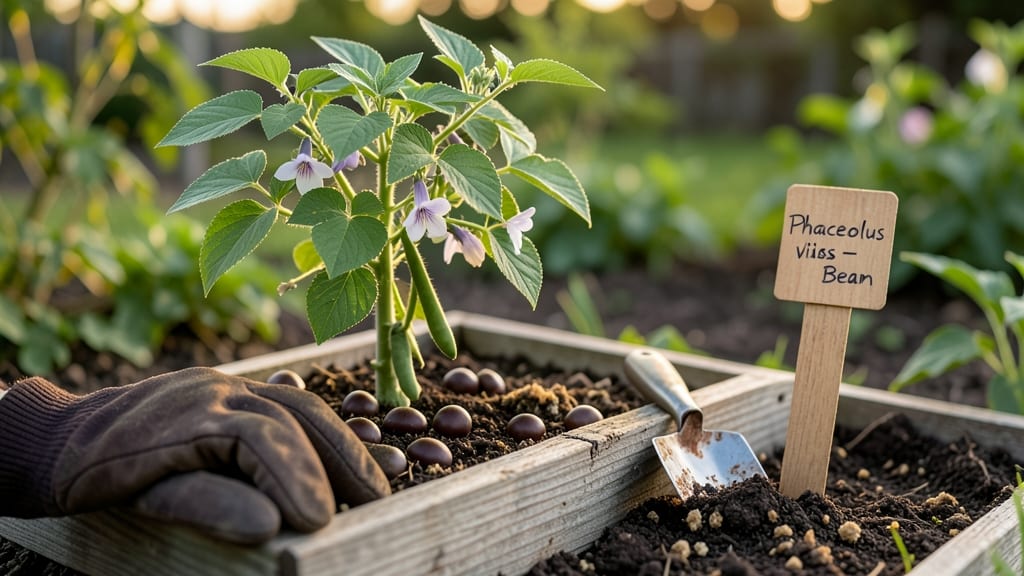
Planting beans in Zone 7 at the wrong time can turn your garden dreams into a frustrating wait for tiny, slow-growing sprouts—or worse, no harvest at all.
The secret to fast, healthy growth lies in waiting for soil temperatures to hit that sweet spot of 60°F, which is when your 🌱 beans will finally burst from the soil with energy.
Most gardeners in Zone 7 make the mistake of rushing beans into cold soil, only to watch them languish for weeks. But timing isn’t just about the calendar—it’s about the thermometer.
Whether you’re planting bush beans for quick harvests or pole beans for a steady supply, getting the soil temp right means the difference between 50 days to maturity and a season of disappointment.
In this guide, I’ll break down the exact soil temperature triggers for both spring and fall plantings, plus how to adjust for your specific location in Zone 7.
You’ll learn when to start seeds indoors, how to test soil warmth without fancy tools, and why some years call for a late-summer planting instead of the usual spring rush.
Ready to skip the guesswork? Let’s dive into the science-backed planting windows that’ll have your beans thriving—and your table stocked—before you know it.
Ideal soil temperature ranges for planting beans in Zone 7
Beans thrive when planted in soil that's warm enough to promote quick germination, but not so hot that seeds dry out. In Zone 7, the sweet spot for most bean varieties is between 60°F and 85°F.
Below 50°F, germination slows dramatically, while above 90°F, seeds risk drying out before sprouting. Understanding these ranges helps you avoid the two biggest mistakes: planting too early (when soil is still cold) or too late (when summer heat arrives).
Cold-tolerant varieties like Blue Lake Bush or Kentucky Wonder Pole can handle soil temperatures as low as 50°F, but they’ll germinate faster and stronger when soil reaches 60°F or warmer.
Heat-loving varieties such as Scarlet Runner or Romano prefer soil closer to 70°F–85°F for optimal growth. Knowing your variety’s preferences ensures you pick the right planting window.
To test soil temperature accurately, use a soil thermometer (available for under $10). Stick it 2 inches deep—the depth at which you’ll plant seeds—and check readings in the morning.
If the temperature dips below 60°F for more than a few days, wait before planting. Morning readings are most reliable because soil cools overnight and warms by afternoon.
Spring planting in Zone 7 typically aligns with late April to early May, after the last frost date (usually mid-April). However, soil may still be too cold in early spring, especially in northern parts of the zone (e.g., Raleigh, NC).
Fall planting for a late-season harvest works best in July to early August, when soil remains warm but summer heatwaves have passed. Timing is everything—plant too early, and you’ll deal with slow germination; too late, and you risk heat stress.
Pole beans generally tolerate slightly cooler soil than bush beans because their vines can shade the soil, keeping roots cooler. Bush beans, however, need consistently warm soil to avoid black root rot or stunted growth.
If you’re unsure about your soil’s readiness, opt for cold-hardy varieties or use black plastic mulch to warm the soil faster. This trick raises soil temperature by 5–10°F within days.
Another critical factor is moisture. Beans need consistent moisture to germinate, but soggy soil can cause rot. Aim for soil that’s moist but not waterlogged—think of a damp sponge.
If your soil drains poorly, amend it with compost or sand before planting. Well-draining soil ensures seeds get the oxygen they need to sprout while maintaining the right temperature.
🌱 Bean Planting Soil Temp Guide for Zone 7
| Variety Type | Ideal Soil Temp | Germination Time | Notes |
|---|---|---|---|
| Bush Beans | 60°F–75°F | 5–10 days | Fastest growth in warm but not scorching soil. |
| Pole Beans | 55°F–80°F | 7–14 days | Tolerates cooler soil; vines help regulate root temp. |
| Cold-Tolerant (e.g., Blue Lake) | 50°F–65°F | 10–14 days | Best for early spring or fall plantings. |
| Heat-Loving (e.g., Romano) | 70°F–85°F | 3–7 days | Plant in late summer for fastest germination. |
⚠️ Pro Tip: Use a soil thermometer for 3–5 days to confirm consistency before planting.
If you’re planting in late summer for a fall harvest, monitor soil temperatures closely. By August, daytime soil temps can climb above 90°F, which stresses young seedlings. To mitigate this, plant in partial shade or use shade cloth until seedlings establish roots.
Water deeply in the early morning to keep soil cool and moist. Avoid overhead watering in the afternoon, as it can cause fungal issues like rust or powdery mildew.
For container gardening in Zone 7, soil warms up faster than in-ground soil, especially in black pots. Check soil temps daily if planting in containers, as they can reach 100°F+ on hot afternoons.
If needed, move containers to a shadier spot or use light-colored pots to reflect heat. Containers also dry out quicker, so mul
Ideal soil temperature ranges for planting beans in Zone 7
Beans are warm-season crops that thrive when soil temperatures climb above 50°F. In Zone 7, this means waiting until late spring or early summer to avoid cold soil stunting germination.
Bush beans and pole beans both prefer slightly different conditions, but the sweet spot for most varieties is between 60°F and 85°F. Planting too early in cold soil can leave seeds buried for weeks, while overheated soil above 90°F may cause seeds to rot before sprouting.
Cold-tolerant varieties like Blue Lake Bush Beans or Kentucky Wonder Pole Beans can handle 50°F–55°F soil, but germination slows dramatically below 50°F. For faster sprouts, aim for 60°F+ soil, which is ideal for most gardeners in Zone 7.
Use a soil thermometer (inserted 2 inches deep) to check temperatures daily until you hit the sweet zone. Morning readings are most accurate since soil cools overnight.
Here’s how soil temperature impacts your bean harvest:
| Soil Temp Range (°F) | Germination Speed | Risk Level | Best Varieties |
|---|---|---|---|
| Below 50°F | Very Slow (3+ weeks) | High (rot, pests) | Cold-tolerant: Blue Lake, Kentucky Wonder |
| 50°F–59°F | Slow (10–14 days) | Moderate (use row covers) | Early bush beans: Tendergreen |
| 60°F–85°F | Fast (5–7 days) | Low (ideal) | Most varieties: Romano, Provider |
| Above 85°F | Slow (seeds may rot) | High (heat stress) | Heat-tolerant: Black Valentine |
Early spring plantings in Zone 7 often face cold soil risks, especially in areas like the Blue Ridge Mountains where nights remain chilly. To speed up germination, soak seeds overnight in warm water (not boiling) or use biodegradable seed starter pellets.
For late summer plantings, focus on shade cloth to prevent soil from overheating above 85°F, which can cause seed rot. Mulch with straw to regulate temperature and retain moisture.
Pole beans like Rattlesnake Beans or Scarlet Runner prefer slightly warmer soil (65°F+) to support their vigorous vines. If you’re transplanting seedlings, harden them off for 7–10 days before moving to the garden to avoid transplant shock.
Always plant after the last frost date (typically mid-April in Zone 7) to ensure soil has warmed sufficiently. 🌱
For a second harvest, plan a fall planting in late July or early August. By this time, soil temperatures drop naturally, making it safer for beans. Use a row cover to extend the season into early October, protecting plants from early frosts.
Monitor soil temps weekly—once they dip below 55°F, growth slows, and pods may not develop properly. 🌡️