
Plants
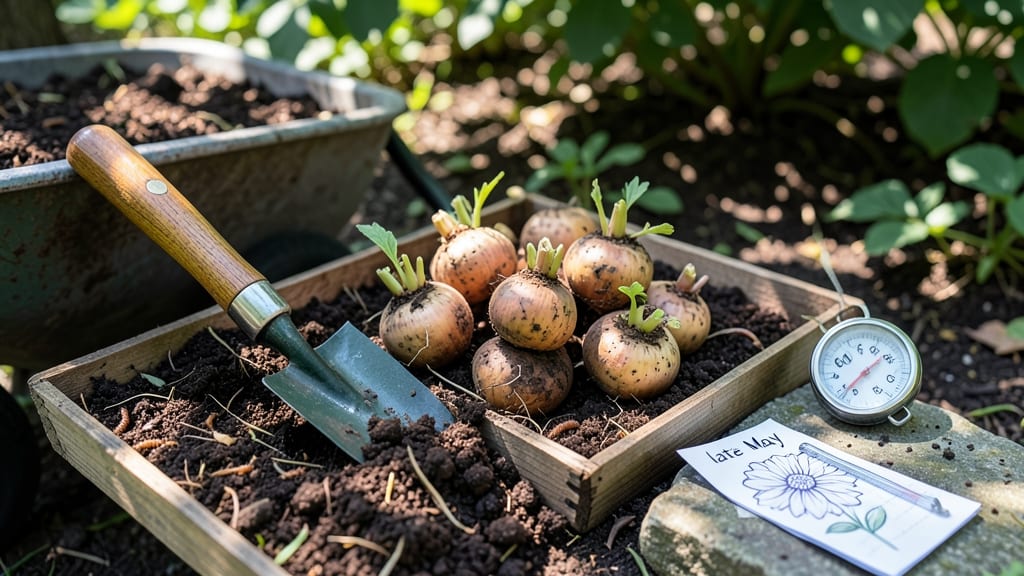
Planting dahlias in Zone 6a at the wrong time means waiting months for those stunning 🌼 blooms—or worse, losing them to frost. The key isn’t just waiting until May; it’s giving your tubers a 4-6 week head start indoors to build strong roots before transplanting after your last frost date.
Most gardeners in 6a make one of two mistakes: planting too early (risking frost damage) or too late (missing peak bloom season). I’ll show you exactly when to start tubers indoors and how to time your outdoor planting for maximum blooms from July through October.
We’ll cover soil temperature tricks, how to harden off seedlings, and even how to adjust for late frosts. Whether you’re starting from seeds or tubers, these science-backed tips will ensure your dahlias thrive from day one.
Ready to transform your garden? Let’s dive into the exact weeks before last frost that’ll make your dahlias the showstopper of your summer.
Zone 6a dahlia planting timeline: exact weeks before last frost for maximum blooms
Dahlias in Zone 6a need precise timing to avoid frost damage while maximizing their 90-day bloom cycle. The key is starting tubers indoors 4-6 weeks before your last frost date, typically around mid-March to early April for most Zone 6a regions.
This head start ensures strong roots before transplanting outdoors in late May.
Your last frost date in Zone 6a usually falls between April 15 and May 1, but local microclimates can shift this by 1-2 weeks. For example, areas near Chicago average frost until April 25, while Raleigh sees it earlier, around April 10.
Check your local USDA frost maps or use a frost calculator for precision.
Soil temperature is just as critical as air temperature. Dahlias won’t thrive until the soil reaches 60°F (15°C), which typically occurs 2-3 weeks after your last frost.
In Zone 6a, this usually means waiting until early to mid-May for outdoor planting. Planting too early in cold soil leads to rotten tubers and stunted growth.
Here’s your Zone 6a dahlia planting timeline broken down by stage, with soil temperature and frost risk considerations:
| Stage | Action | Zone 6a Timeline | Soil Temp | Frost Risk |
|---|---|---|---|---|
| Indoor Start | Chit tubers (place in bright light) | Mid-March to early April | N/A (indoors) | None |
| Sprout Growth | Keep in 60-65°F (15-18°C) with 12+ hours light | April (4-6 weeks) | N/A | High (late frosts possible) |
| Hardening Off | Acclimate to outdoor temps for 7-10 days | Late April | 45-55°F (7-13°C) | Moderate |
| Outdoor Planting | Transplant after last frost, 2-3 weeks later | Late May | 60°F+ (15°C+) | Low |
| Bloom Time | First flowers appear in 90 days | July - October | 65-75°F (18-24°C) | None (until first frost) |
Pro tip: Use a soil thermometer to confirm your garden bed is ready. If temperatures dip below 60°F (15°C) after planting, cover tubers with black plastic mulch
How to prepare dahlias for Zone 6a’s unpredictable spring weather
Zone 6a’s spring weather can be a dahlia grower’s worst nightmare—one day warm, the next a surprise frost. The key to success is preparing tubers early and using protective strategies to shield young plants.
Start by chitting tubers indoors 4-6 weeks before your last frost date (typically mid-March for Zone 6a). This jumpstarts growth so your dahlias hit the ground running when conditions stabilize.
Hardening off is non-negotiable in Zone 6a. Begin 10-14 days before transplanting by moving potted tubers outdoors for 2-3 hours daily, gradually increasing exposure. Watch for wilting or yellowing leaves—signs they’re not ready.
A cold frame or row cover can buy you extra time if late frosts linger past your expected last frost date.
🌱 Step-by-Step Hardening Process
- Week 1: Place tubers in partial shade (3-4 hours) for 2-3 days.
- Week 2: Increase to 6 hours daily, adding direct sunlight.
- Final Week: Move to full sun conditions for 8+ hours.
💡 Pro Tip: Use shade cloth if temps exceed 80°F (27°C) during hardening.
Soil preparation is just as critical. Dahlias hate soggy roots, so amend your garden beds with compost and perlite to improve drainage. Aim for a pH of 6.5-7.0 and work in aged manure or bone meal for phosphorus—essential for those showstopping blooms.
If your soil stays cold longer than average, consider planting in black plastic mulch to warm it faster.
For extra insurance against late frosts, try container growing. Dahlias in pots can be moved to sheltered spots or even indoors overnight if frost is forecasted.
Choose 5-gallon containers with drainage holes and use a lightweight potting mix. Just remember: containers dry out faster, so monitor soil moisture closely.
Don’t forget to plan for fall blooms! In Zone 6a, dahlias can often rebloom in late summer if given proper care. After your first frost, dig up tubers, trim foliage, and store them in cool, dry conditions (40-50°F or 4-10°C).
With this prep work, you’ll maximize your growing season and enjoy dahlias from June through October.
One final trick: plant early varieties first (like 'Café au Lait' or 'Bishop') as sentinel plants. If they survive, your later varieties likely will too. And always keep a row cover or frost cloth handy—it’s your best friend in Zone 6a’s unpredictable spring.