
Plants
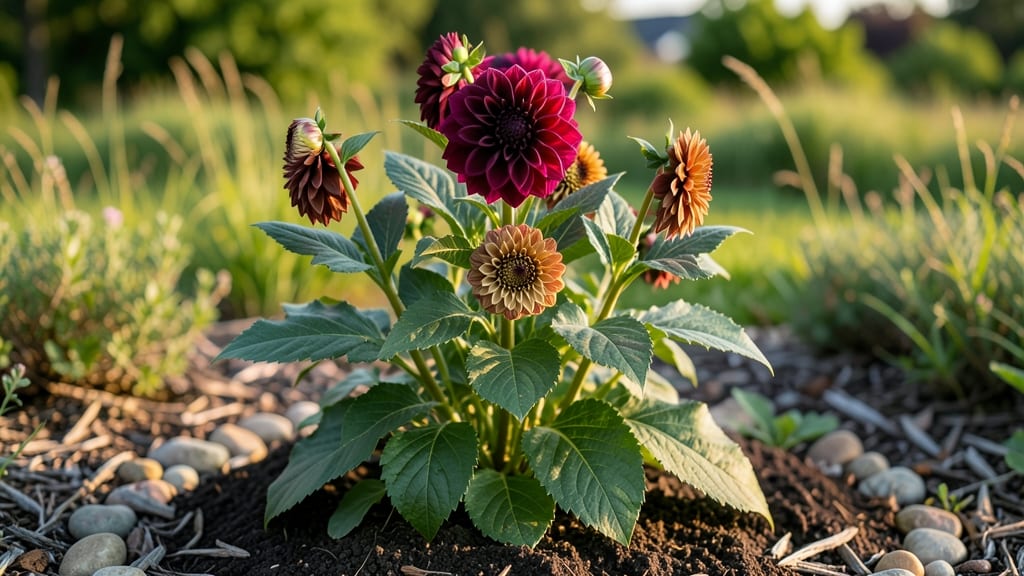
Planting dahlias in Zone 5 at the wrong time can turn your dream garden into a frost-killed disappointment—but getting the timing right unlocks vibrant blooms from mid-summer until the first frost.
Unlike hardy perennials, these tender tubers need warm soil and a frost-free forecast to thrive, and Zone 5’s unpredictable spring makes this trickier than it seems.
Most gardeners wait until after the last frost (typically around May 15 in 5a-5b), but soil temperature is the real game-changer. Dahlias won’t sprout until the ground reaches 55–65°F, which can lag behind calendar dates—especially in cooler microclimates.
That’s why checking soil temps (not just air temps) is your secret weapon for zero-frost success.
You’ve got options beyond the standard window: start tubers indoors 6–8 weeks before your last frost, or use cold frames to plant earlier. But rushing too soon risks rot or stunted growth, while waiting too late cuts your blooming season short.
Let’s break down the exact timing, soil prep, and regional tweaks to maximize your 🌼 dahlias’ potential in Zone 5.
Whether you’re a first-time grower or a veteran gardener, these insights will help you avoid common pitfalls—like planting too deep or ignoring tuber hardiness—and ensure your dahlias put on a show from July through October. Ready to turn your Zone 5 garden into a floral masterpiece?
Zone 5 dahlia planting timeline: soil temperature rules over calendar dates
In Zone 5, timing your dahlia tubers isn’t just about checking a calendar—it’s about soil temperature. Dahlias need warm soil (55–65°F) to thrive, and planting too early can stunt growth or invite frost damage.
The last frost date (around May 15) is just the starting point—your soil must be ready first.
Use a soil thermometer to confirm warmth before planting. In colder Zone 5a areas (like northern Michigan), wait until late May or early June. Warmer Zone 5b regions (like Cincinnati) can plant as early as mid-May. Microclimates matter too—south-facing beds warm faster than north-facing spots.
Here’s the critical rule: Dahlias planted in cold soil (below 55°F) struggle to establish roots, leading to weak stems and fewer blooms. Even if frost-free, cool soil delays growth by 2–4 weeks. Patience pays off—wait for the ideal window of May–early June.
Zone 5 Dahlia Planting Checklist
| Stage | Action | Soil Temp |
|---|---|---|
| Prep Soil | Amend with compost; ensure drainage | N/A |
| Test Soil | Use thermometer; wait for 55°F+ | 55–65°F |
| Plant Tubers | 4–6" deep, 12–18" apart | 60°F+ |
| Mulch | Add 2–3" organic mulch | After planting |
| Fertilize | Light feed when sprouts appear | 65°F+ |
🌱 Pro Tip: In Zone 5a, pre-sprout tubers indoors 4–6 weeks before last frost to jumpstart growth.
For Zone 5 gardeners, local averages are helpful but not foolproof. Check your average last frost date (often May 15) and add 2–4 weeks to account for soil warming.
In Pittsburgh, for example, soil may hit 60°F by late May, while Chicago’s cooler soils often need until early June.
If you’re planting from seed (not tubers), start indoors 8–10 weeks before your last frost. Seedlings are hardier than tubers and can handle slightly cooler soil, but still wait until after May 15 to transplant outdoors. Seed-grown dahlias may bloom 4–6 weeks later than tuber-planted varieties.
Don’t overlook tuber depth—planting too shallow (less than 4") exposes tubers to temperature swings, while burying too deep (more than 6") can rot them. Aim for 4–6 inches deep with the eyes facing up. In heavy clay soils, amend with sand or compost to improve drainage.
After planting, mulch heavily (2–3 inches) to retain soil warmth and moisture. Organic mulch like straw or shredded leaves also suppresses weeds and regulates root-zone temperature. In late summer, reduce mulch to 1 inch to prevent tuber rot before digging.
Monitor your garden for late-season frosts, which can sneak in as early as September in Zone 5. If frost threatens, cover plants with row fabric or a cloche to protect tender growth.
Dahlias are not frost-tolerant, so plan to dig and store tubers before the first hard frost (usually October 1).
For maximum blooms, aim to plant dahlias by June 1 in Zone 5. This gives roots 3–4 months to establish before frost. Varieties like ‘Café au Lait’ (dwarf) or ‘Galaxy’ (tall) perform well in short seasons, but all dahlias benefit from early planting in warm soil.
Zone 5 dahlia planting timeline: soil temperature rules over calendar dates
In Zone 5, dahlias need precise timing to avoid frost damage or stunted growth. Unlike warmer zones, your planting window hinges on soil temperature, not just calendar dates.
Most gardeners wait until after the last frost date (typically mid-May), but this varies by sub-region—Chicago’s frost-free window often opens later than Pittsburgh’s.
Your dahlias thrive when soil reaches 55–65°F. Use a soil thermometer to confirm readiness—planting in cold soil stresses tubers and delays blooms. In Zone 5a (colder microclimates), aim for late May; in Zone 5b, early May may work if nights stay above 40°F.
| Stage | Action | Soil Temp |
|---|---|---|
| Prep Soil | Amend with compost; ensure drainage | 45°F+ |
| Plant Tubers | 4–6" deep, 12–18" apart | 55–65°F |
| First Blooms | Expect 8–10 weeks post-planting | 60°F+ |
| Frost Watch | Cover plants if temps drop below 32°F | Below 50°F |
Local microclimates matter: urban areas (like Detroit) often warm faster than rural spots due to heat islands. Check your Almanac’s frost dates and adjust by 1–2 weeks if your yard runs cooler.
For example, Pittsburgh’s average last frost is May 10, but gardeners in Mount Washington may wait until May 25.
Pro tip: Pre-sprout tubers indoors 4–6 weeks before planting to jumpstart growth. Place tubers in a tray with moist peat moss under grow lights (or a sunny windowsill). Once sprouts reach 3–4 inches, harden them off outdoors for 7–10 days before transplanting.
Even with perfect timing, late-season dahlias face risks from early frosts (Zone 5’s average first frost is October 1). Use row covers or move potted dahlias to a sheltered spot to extend blooms into September.
Varieties like ‘Café au Lait’ (dwarf) or ‘Thomas Edison’ (tall) handle cooler temps better than ‘Arabian Night’, which bolts at the first chill.
Remember: Soil temperature > calendar dates. A soil thermometer ($10 at garden centers) is your best tool for Zone 5 success. Plant too early? Your dahlias will sulk. Too late? You’ll miss peak blooms. Strike that balance, and you’ll enjoy cut flowers from July to frost.