
Plants
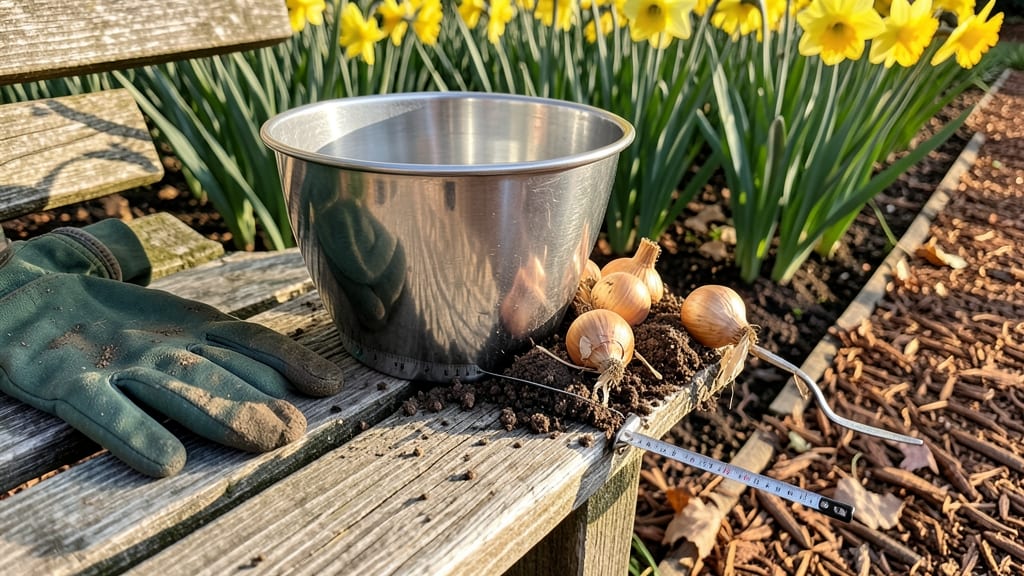
Planting daffodils in Maryland at the wrong time can mean waiting another year for those cheerful 🌼 blooms to brighten your spring garden.
The secret to success lies in understanding when the soil cools just enough—typically between October and November—when the ground is workable but frost isn’t lurking just around the corner.
Maryland’s 7a-7b climate zones give gardeners a narrow window to get it right, and missing it can leave your bulbs vulnerable to winter’s harshness. But don’t worry—with the right timing and soil prep, you’ll set your daffodils up for a vibrant spring display that’ll make your neighbors green with envy.
I’ll walk you through exactly when to plant based on your specific region, how to prep your soil for Maryland’s often-heavy clay, and what to watch out for to avoid common mistakes.
Whether you’re a seasoned gardener or just starting out, these tips will help you grow daffodils that thrive year after year.
Let’s dive into the best practices so you can enjoy months of color without the guesswork. Your spring garden will thank you!
Best planting months for daffodils in Maryland’s climate zones
Maryland’s USDA zones 5-7 create a unique window for planting daffodil bulbs—perfectly timed to avoid early frosts while allowing roots to establish before winter. In northern Maryland (zones 5-6), aim for late September to mid-October, while southern regions (zone 7) can extend planting until early November.
This timing ensures bulbs root before the ground freezes, typically around mid-November in most areas.
Daffodils thrive when planted 6 weeks before the first frost, giving roots time to grow but avoiding spring planting risks. Maryland’s fall temperatures (50-65°F) create ideal conditions for bulb establishment. Miss this window, and you’ll likely see smaller blooms or delayed flowering next spring.
For container gardening, plant daffodils in late September to allow roots to develop before winter. Containers freeze faster than ground soil, so timing is even more critical. Use well-draining potting mix and place containers in protected locations during harsh winters.
🌼
| Region | USDA Zone | Ideal Planting Window | Key Consideration |
|---|---|---|---|
| Northern Maryland | 5-6 | Late September - Mid-October | First frost typically arrives by mid-November |
| Central Maryland | 6-7a | Early October - Early November | Soil stays workable longer; extend planting slightly |
| Southern Maryland | 7a-7b | Mid-October - Early November | Warmer microclimates allow later planting |
| Containers | All Zones | Late September (earlier than ground) | Faster freezing; protect containers in winter |
If you’re unsure about your exact frost date, use Maryland’s historical averages as a guide. For example, Baltimore (Zone 7a) typically sees its first frost around November 15, while Frederick (Zone 6b) freezes by November 1. Planting 6 weeks before these dates ensures success.
For late bloomers, consider planting paperwhite daffodils in early December—they’ll bloom indoors during the holidays. These varieties tolerate cooler temperatures and are perfect for winter forcing techniques.
After planting, mark your daffodil beds with stakes to avoid disturbing them in spring. Maryland’s mild winters can cause soil heaving, so mulch with 2-3 inches of straw after planting to protect bulbs and improve soil structure.
🌱
One common mistake is waiting until November to plant, thinking you have more time. By then, roots may not establish before frost, leading to poor blooms next year. Another tip: plant in clusters (3-5 bulbs per hole) for a more dramatic spring display—Maryland’s humid climate benefits from this grouping.
For deer-prone areas, plant daffodils in early October to give bulbs a head start. Deer are less likely to dig up established plants, and the toxic sap in daffodils deters them once foliage appears.
Best planting months for daffodils in Maryland’s climate zones
Maryland’s USDA zones 5-7 create a 6-week window for planting daffodils, where timing directly impacts next spring’s blooms. In northern Maryland (zones 5-6), aim for late October to early November—just before the ground freezes. Southern regions (zone 7) can plant as late as mid-November, giving you more flexibility.
Daffodils need 6-8 weeks of cold exposure to establish roots before winter dormancy. Planting too early (like September) risks premature sprouting and weak bulbs, while waiting until December may leave bulbs vulnerable to frost heaving when soil freezes and thaws.
Check Maryland’s average first frost dates: Northern areas (like Baltimore County) typically see frost by November 15, while southern regions (like Calvert County) hold off until November 30. Plant bulbs 4-6 weeks before these dates for ideal results.
| Region | USDA Zone | Best Planting Window | Key Consideration |
|---|---|---|---|
| Northern Maryland | 5-6 | Late October - Early November | Plant before Nov 15 frost |
| Central Maryland | 6-7 | Mid-October - Mid-November | Flexible window; avoid Dec planting |
| Southern Maryland | 7a-7b | October - Mid-November | Can plant until Nov 30 safely |
🌼 Pro Tip: Use a soil thermometer to confirm 50°F soil temps before planting.
For container gardening in Maryland, follow the same timing but use well-draining pots with drainage holes. Place containers in a protected location (like a garage) if temperatures drop below 20°F to prevent bulb damage.
After planting, mulch with 2-3 inches of straw to insulate bulbs and retain moisture. This is especially critical in urban areas where soil can dry out quickly or freeze prematurely due to heat island effects.
Remember: Daffodils planted in Maryland’s fall window will reward you with earlier and more abundant blooms next spring—often by March or April, depending on your microclimate. The effort pays off in vibrant yellow, white, or orange flowers that brighten up gray Maryland days! 🌸