
Plants
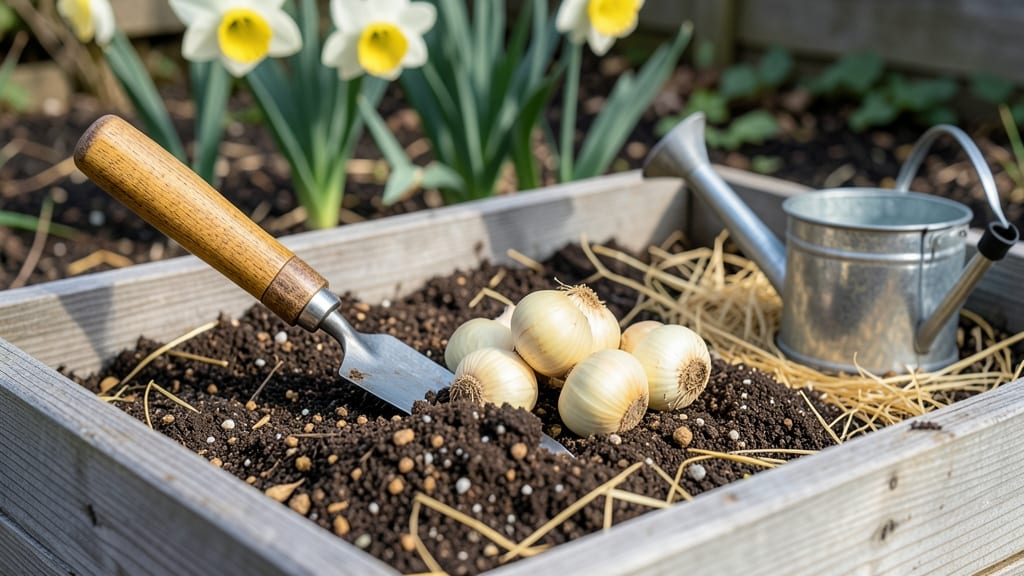
Planting daffodil bulbs in Texas isn’t just about dropping them in the ground—it’s about outsmarting the heat and avoiding the dreaded late-summer rot. With Texas’ 8a-10a zones bringing everything from scorching summers to unpredictable freezes, timing is everything for those 🌼 blooms to survive and thrive.
The key? Planting between October and December when soil temps dip below 60°F but before the first hard frost hits. Too early, and your bulbs may sprout in winter, only to wilt in the heat.
Too late, and they won’t root deep enough to beat the Texas summer. Get this right, and you’ll have vibrant spring blooms that outshine even the toughest desert landscapes.
But here’s the catch: Texas isn’t one-size-fits-all. North Texas gardeners have more time than those in South Texas, where the frost-free window shrinks to just 3 months.
I’ll break down the exact deadlines for each zone so you can plant with confidence—no guesswork, just zero-frost survival and show-stopping spring displays.
Ready to turn your Texas garden into a daffodil paradise? Let’s dive into the heat-zone deadlines, soil secrets, and the best varieties that actually thrive here—no matter where you live in the Lone Star State.
Texas heat-zone planting deadlines: when to plant daffodil bulbs for spring blooms
Texas spans three distinct climate zones, each with unique frost patterns that dictate the perfect window for planting daffodil bulbs.
In North Texas (Zones 7b-8a), like Dallas and Fort Worth, aim to plant between mid-October and November 15—before the first hard frost, typically around December 1. This gives bulbs 6-8 weeks to establish roots before summer heat arrives.
For Central Texas (Zones 8a-8b), including Austin and San Antonio, the ideal window shifts slightly later: late October to December 1. Here, frost arrives mid-November to January 1, so timing is critical to avoid bulb rot in the 90°F+ soils of early spring.
In South Texas (Zones 9a-10a), like Houston and Corpus Christi, daffodils thrive with winter planting from November 1 to December 15. The mild climate means no hard frosts, but bulbs still need cool soil temps (60-70°F) to root before summer’s relentless heat.
Planting too early risks premature sprouting and weak growth.
🌼 Texas Daffodil Planting Deadlines by Zone
| Zone | Planting Window | First Frost Date | Soil Temp Goal | Key Tip |
|---|---|---|---|---|
| North Texas (7b-8a) | Mid-October – Nov 15 | Dec 1 | 50-60°F | Plant 6 weeks before frost |
| Central Texas (8a-8b) | Late Oct – Dec 1 | Nov 15 – Jan 1 | 60-70°F | Avoid clay soil; amend for drainage |
| South Texas (9a-10a) | Nov 1 – Dec 15 | None (mild winters) | 65-75°F | Use shade cloth in peak summer |
Daffodils need 60-90 days of cool soil temps (below 70°F) to establish roots before summer’s heat stresses them. In North Texas, this means planting by November 15 to ensure roots grow 4-6 inches deep before dormancy. Miss this window, and bulbs may bolt too early or fail to bloom.
Use a soil thermometer to confirm temps are 60-70°F at planting depth (6 inches). In Central TexasDecember, delay planting until early December to avoid premature sprouting. South Texas gardeners should plant after Thanksgiving to align with the coolest soil temps of the year.
Texas’s unpredictable frosts add another layer of complexity. While North Texas may see 20°F dips, South Texas rarely drops below 30°F. Choose hardy varieties like ‘Tête-à-Tête’ or ‘Ice Follies’ for Zone 9+, as they tolerate mild winters better than traditional daffodils.
Pro tip: Mark your calendar for 6 weeks before the average first frost in your area. For Dallas, that’s mid-October; for Houston, early November. Planting too early risks rot from warm, wet soil, while late planting may leave bulbs starved for roots before summer.
If you’re in transition zones (8a-8b), like Waco or College Station, split your planting: plant half in October and the rest in early December. This staggered approach ensures blooms across March and April, extending your spring color display.
For container gardening in Texas, plant bulbs in well-draining pots by late October and move them to a shady spot in summer. This mimics the natural dormancy period and protects roots from 100°F+ soil temps.
Remember: Daffodils hate soggy soil. In Texas’s clay-heavy soils, amend beds with compost and sand to improve drainage. Mulch with 2-3 inches of straw after planting to insulate bulbs and retain moisture during fall’s erratic rains.
How to prepare Texas soil for daffodil bulbs: soil conditions that prevent rot in hot climates
Texas soil can be a double-edged sword for daffodil bulbs—too sandy and they dry out too fast, too clay-heavy and they suffocate roots, and alkaline soils can stunt growth.
The key to success lies in amending your soil 6-8 weeks before planting to create the perfect well-draining, slightly acidic environment daffodils crave. Start by testing your soil’s pH; daffodils thrive in 6.0-7.0 range, while Texas soils often skew alkaline (7.5+).
For sandy soils, mix in 3-4 inches of compost or well-rotted manure to improve moisture retention. In clay-heavy areas, incorporate organic matter like peat moss or coconut coir to break up compaction.
If your soil tests too alkaline, add sulfur or pine needles (1-2 pounds per 100 sq ft) and re-test in 2-3 months. Remember, daffodils hate soggy roots, so prioritize drainage over all else.
Texas-Specific Soil Pitfalls
- Overwatering: Texas heat + poor drainage = bulb rot. Never plant in low spots where water pools.
- Alkaline shock: Sudden pH changes can stress bulbs. Amend soil gradually over 2-3 months.
- Compacted clay: Daffodils need loose soil to root deeply. Aerate with a garden fork before planting.
Pro Tip: Plant in raised beds if your native soil is particularly challenging. This gives you full control over drainage and soil composition.
When amending, dig down 12-15 inches to loosen the soil—this mimics the deep root systems daffodils develop. Work in 1-2 inches of coarse sand (like perlite or horticultural sand) if your soil is too dense.
For extra insurance against Texas heat, top the amended bed with 2-3 inches of mulch (straw or shredded bark works best) to regulate soil temperature and retain moisture. Avoid mulching too close to the bulbs once planted, though—keep it 2-3 inches away to prevent rot.
One often-overlooked step? Avoid fresh manure—it can burn bulbs and attract pests. Instead, opt for aged compost or worm castings, which provide nutrients without the risk. If your soil is particularly poor, consider planting in containers filled with a 50/50 mix of potting soil and perlite.
This gives you complete control over drainage and fertility while still allowing daffodils to thrive in Texas’ unpredictable climate.
Finally, schedule your soil prep for late summer (August-September). This gives the amended soil time to settle before planting in October-November.
Test your soil again right before planting to confirm the pH is in the 6.0-7.0 range—this small step can mean the difference between vibrant blooms and wilted disappointment. With the right soil prep, your daffodils will establish strong roots before Texas’ winter chill sets in.
For extra peace of mind, plant daffodil bulbs in groups of 3-5—this creates a microclimate that retains moisture better than single bulbs. And if you’re in South Texas (Zone 9a-10a), consider planting in partial shade to protect bulbs from the most intense summer heat.
The right soil prep isn’t just about planting—it’s about setting your daffodils up for years of reliable blooms.