
Plants
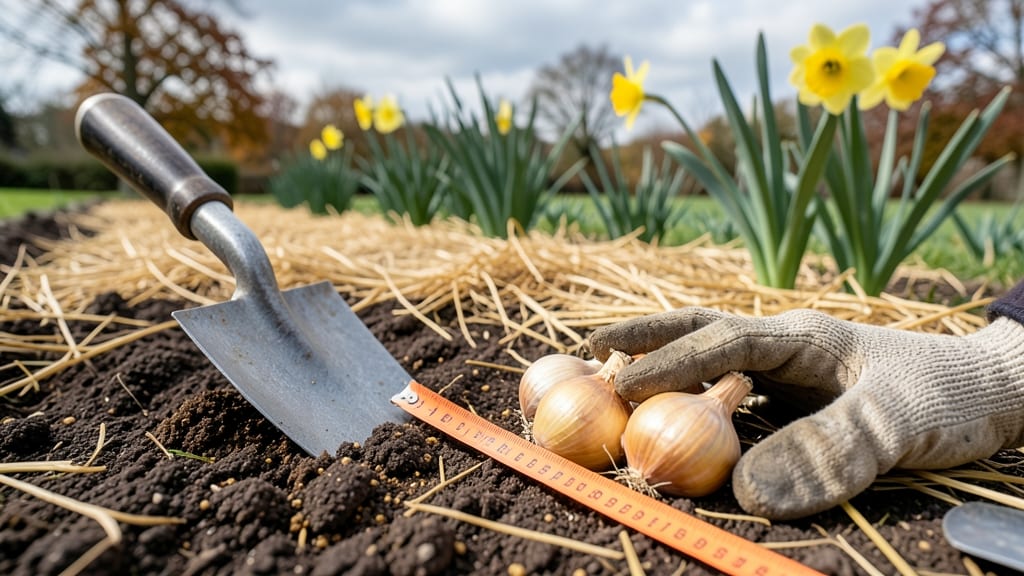
Planting daffodil bulbs at the right time in Seattle isn't just about following a calendar—it's about outsmarting the region's damp winters and unpredictable frost dates to guarantee those cheerful 🌼 blooms appear before summer rain washes them away.
If you've ever watched your neighbors' daffodils emerge while yours mysteriously fail to appear, you're not alone.
The key lies in planting between October and November, when soil temperatures drop but the ground stays workable—typically 6-8 weeks before the first frost, which in Seattle's Zone 8a usually lands around mid-November.
What makes Seattle different? Unlike drier climates, our coastal weather demands extra care—think proper drainage, protective mulch, and choosing the right varieties that handle our mild but wet winters. I'll walk you through the exact steps to set your daffodils up for success, from soil prep to post-planting care.
Ready to transform your garden into a springtime explosion of color? Let's dive into the timing secrets that'll have your daffodils thriving when others are still struggling.
Seattle’s ideal daffodil planting window: exact dates and frost-free logic
Seattle’s USDA Zone 8a climate means daffodil bulbs need precise timing to avoid rot from winter rains or frost damage. The sweet spot is mid-October to mid-November, when soil temps drop to 50–60°F but haven’t frozen yet.
Planting too early risks premature sprouting, while late planting may leave bulbs vulnerable to early winter chills.
Local frost data shows Seattle’s average first frost hits around January 15, but bulbs need 6–8 weeks to establish roots before dormancy. This translates to a late October to early November window—just as fall rains increase but before soil moisture becomes excessive.
For example, planting in early October might trigger sprouting before bulbs are cold-hardy.
Adjust for microclimates: Urban areas (like Downtown Seattle) may stay slightly warmer, while windy coastal zones (like West Seattle) cool faster. Use a soil thermometer to confirm 50°F soil temps—the magic number for root growth without sprouting.
Here’s the golden rule: Plant when daytime highs hover around 60°F and nighttime lows dip to 45°F. This aligns with Seattle’s late October conditions, giving bulbs time to root before December’s heavier rains.
| Stage | Action | Seattle Timing |
|---|---|---|
| Soil Prep | Loosen soil, amend with compost | Mid-September |
| Bulb Chilling | Store bulbs at 40–50°F for 6–8 weeks | Early October |
| Planting Depth | 6 inches deep, 4–6 inches apart | Late October–Early November |
| Mulching | Add 2–3 inches of mulch | After planting |
| First Frost | Bulbs must be dormant | Mid-January |
If you miss the October–November window, don’t panic—December planting is still possible in well-draining soil, but bulbs may need extra mulch to insulate against winter rains.
Avoid planting after December 15, as soil saturation increases rot risk. For container gardening, use terracotta pots with drainage holes to prevent waterlogging.
Pro tip: Mark your calendar for November 1—this is Seattle’s last safe planting date before ground temps drop below 50°F. Use a moisture meter to check soil—40–60% moisture is ideal before planting. Overwatering now can drown bulbs before they root.
Seattle’s coastal winds can dry soil faster than inland areas.
Test your spot: If the ground feels dry 2 inches down by late October, it’s time to plant. Clay-heavy soils (common in South Seattle) need sand or perlite to improve drainage—skip this, and bulbs will rot in winter puddles.
Remember: Daffodils hate soggy feet. In rainy Seattle, raised beds or sloped planting areas help water drain away. If your yard has poor drainage, plant bulbs on a mound or in containers with saucers to catch excess water.
For urban gardeners, heat-retaining walls or south-facing patios can create microclimates where bulbs stay slightly warmer—ideal for early November planting. Just avoid low-lying areas where cold air pools.
Timing isn’t just about dates—it’s about soil conditions. Aim for cool, damp soil (not frozen or bone-dry). In dry years, water lightly after planting to encourage root growth before December rains take over. Happy planting! 🌼
How to time your planting for Seattle’s rainy season: bulb prep and soil strategies
Seattle’s wet winters and clay-heavy soils demand extra prep work before planting daffodil bulbs. Unlike drier climates, bulbs here need fungicide protection and improved drainage to prevent rot from prolonged rain. I’ve learned the hard way—skipping these steps leads to soggy, moldy bulbs by spring!
Start by chilling bulbs for 6-8 weeks in your fridge’s crispier drawer (40-50°F). This mimics winter conditions and encourages strong root growth. For extra insurance, soak bulbs in a 1:10 water-to-fungicide solution (like Mycorrhizal fungi) for 30 minutes before planting.
For in-ground planting, amend your soil with 2-3 inches of compost and 1 part sand or perlite to 3 parts soil. Seattle’s clay doesn’t drain well, and waterlogged bulbs rot in 3-5 days.
Test your soil’s pH—daffodils thrive in 6.0-7.0. If yours is below 6.0, add lime (1 lb per 100 sq ft).
After planting, mulch heavily with 4-6 inches of straw or wood chips. This keeps soil temps stable and blocks slugs (a major Seattle problem). In windy areas, like Magnuson Park, use container planting with fabric-wrapped pots to prevent soil erosion. I’ve seen bulbs blow away in November storms!
Water deeply once after planting (but avoid soggy soil). Then, let natural rain do the work—overwatering in Seattle’s wet winters is just as bad as underwatering. If you’re planting in December, prioritize well-draining spots like sloped beds or raised areas to prevent winter puddles.
Finally, mark your planting spots with biodegradable flags. Seattle’s mild winters mean bulbs might sprout early, and you don’t want to dig them up by mistake when prepping for spring! A little prep now means bold blooms by April—no soggy surprises.