
Plants
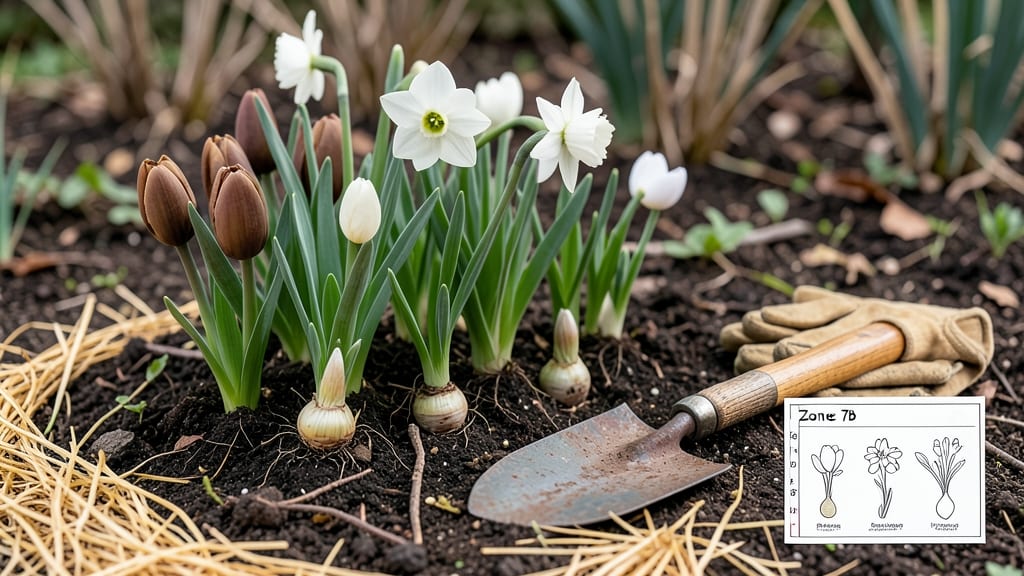
Planting bulbs at the wrong time in Zone 7b could mean frost-nipped blooms—or worse, no flowers at all. The key to vibrant spring displays lies in understanding your region’s frost dates and soil conditions, which can shift from year to year.
I’ve learned the hard way that fall planting in October or November is your best bet for most bulbs 🌱—but timing isn’t one-size-fits-all. Some varieties, like daffodils, thrive with early windows, while others need a little more patience.
Let’s break down exactly when to plant for zero-frost success in your garden.
What if your frost arrives early? Or you miss the fall window entirely? Don’t worry—I’ll show you how to adjust for unpredictable weather, including soil checks and backup planting strategies. By the end, you’ll know exactly when to plant for stronger roots and longer-lasting blooms.
Whether you’re a first-time gardener or a seasoned pro, these insights will help you avoid common mistakes and enjoy a garden that pops with color every spring. Ready to dig in?
Optimal planting months for bulbs in Zone 7B (with frost-date logic)
Planting bulbs in Zone 7B hinges on understanding your average frost dates—typically between November 15 and March 15. The key is to plant bulbs 6-8 weeks before the first hard frost, ensuring they establish roots before winter dormancy.
For most spring-blooming bulbs, this means October or early November, while fall-blooming varieties like crocuses can go in as late as December.
Zone 7B’s mild winters and variable frost patterns make timing critical. Plant too early, and bulbs may sprout prematurely, only to be killed by frost. Plant too late, and they won’t root deeply enough to survive winter.
The soil temperature should ideally be below 60°F when you plant—this usually aligns with late September to early November.
For early spring planting, focus on February or March for bulbs like tulips and hyacinths, which can tolerate cooler soils. However, this method works best for hardier varieties and requires protection from late frosts with mulch or row covers.
Zone 7B Bulb Planting Timeline
| Bulb Type | Ideal Planting Month | Soil Temp Threshold | Notes |
|---|---|---|---|
| Spring-Blooming (Tulips, Daffodils) | October–November | Below 60°F | Plant 6-8 weeks before frost |
| Fall-Blooming (Crocuses, Snowdrops) | September–December | 50–60°F | Can handle later planting |
| Summer-Blooming (Dahlias, Gladiolus) | February–March | 40–50°F | Needs frost protection |
| Perennial Bulbs (Alliums, Fritillaries) | October–November | Below 60°F | Low-maintenance, drought-tolerant |
If you’re unsure about your local frost dates, check with your local cooperative extension service or use a soil thermometer to monitor temperatures. For Zone 7B’s northern edge, err on the side of earlier planting (late September), while southern areas can plant as late as mid-November.
Pro tip: Plant tulips and daffodils in early October for the earliest blooms. These bulbs need time to establish roots before winter, and planting them too late can delay—or even prevent—spring blooms. Crocuses, on the other hand, are more flexible and can handle late fall planting.
For containers or raised beds, plant bulbs 2-4 weeks earlier than in-ground planting, as these areas cool faster. Use mulch (straw or shredded leaves) to insulate bulbs and regulate soil temperature, especially in early winter.
Remember, Zone 7B’s microclimates can vary significantly. If you live in a valley or low-lying area, frost may arrive earlier. Conversely, higher elevations or urban heat islands might delay frost. Adjust your planting schedule accordingly to avoid frost damage.
Finally, label your bulbs with planting dates to track their progress. This helps you refine your planting schedule year after year for zero-frost success. With the right timing, your Zone 7B garden will burst into color come spring!
Optimal planting months for bulbs in Zone 7B (with frost-date logic)
In Zone 7B, where average first frost arrives around November 15 and last frost typically lifts by March 15, timing is everything for bulb success. Planting too early risks rot from warm soil, while waiting too long exposes bulbs to frost damage before roots establish.
The sweet spot? 6-8 weeks before frost—usually mid-October to early November—when soil temps drop below 60°F.
For spring-blooming bulbs like tulips and daffodils, this means digging in by November 1 at the latest. Summer-blooming bulbs (e.g., dahlia tubers) get a second chance in early spring—plant them by February 15 to avoid late frosts that can blacken tender shoots.
Fall planting is critical because bulbs need cold stratification to bloom reliably.
Soil temperature is your best guide—use a soil thermometer to confirm readings below 60°F before planting. In early fall, warmer soil can trigger premature sprouting, while late fall may leave bulbs vulnerable to freezing ground. Aim for 50-55°F soil for ideal root growth before winter sets in.
| Bulb Type | Ideal Planting Window | Soil Temp Threshold | Key Notes |
|---|---|---|---|
| Spring-Blooming (Tulips, Daffodils) | Mid-October – Early November | Below 60°F | Plant 6" deep; mulch after frost. |
| Summer-Blooming (Dahlias, Gladiolus) | February 15 – March 15 | Above 45°F | Wait until soil thaws; protect from late frosts. |
| Fall-Blooming (Crocus, Sternbergia) | September 15 – October 15 | Below 70°F | Early planting avoids summer drought stress. |
| Perennial Bulbs (Allium, Fritillaria) | October 1 – November 15 | Below 60°F | Naturalize for long-term blooms; minimal care. |
If your Zone 7B area experiences unpredictable frosts, err on the side of earlier planting—by late September for hardy varieties like crocus or snowdrops. These bulbs tolerate light frosts better than tulips or hyacinths, which need consistent cold to trigger blooming.
For high-altitude areas within Zone 7B, push planting to early October to avoid early snow cover.
Pro tip: Label your bulbs by planting date and variety—this helps track which ones need extra mulch in early winter or protection from thaw cycles. A 3-inch layer of straw after the ground freezes can add 5-10°F of insulation, safeguarding bulbs until spring.
Just remember to remove mulch in late winter to prevent rot from excess moisture.
For late bloomers like alliums or lilies, don’t stress if you miss the fall window—these perennials often resprout in early spring if planted by February. But for tulips, timing is non-negotiable: plant them by November 1, or risk no flowers next spring.
The reward? Bold, reliable blooms that outshine even the most picky perennials.