
Plants
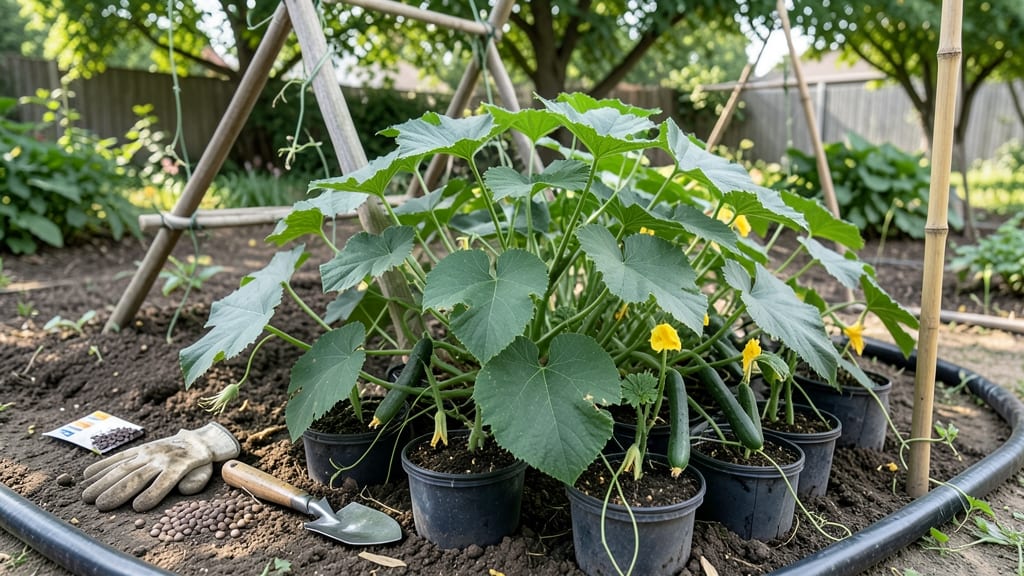
Timing when to plant cucumbers in Portland, Oregon isn’t just about avoiding frost—it’s about catching that sweet spot between the city’s chilly springs and the heat that turns vines into sad, wilted shadows.
The wrong week could mean lost plants or bitter fruit, while the perfect window (mid-April to mid-May) unlocks crisp, homegrown harvests from July to September.
Here’s the kicker: Portland’s microclimates run wild—your neighbor’s thriving vines might be your frozen seedlings. Soil temperature matters more than the calendar, and USDA Zone 8a rules don’t tell the whole story.
I’ll break down exactly when to plant, whether to start indoors, and how to stretch your season if Mother Nature plays tricks.
You’ll also discover why waiting for that 60°F soil mark is non-negotiable and how row covers can shave weeks off your growing time. No more guessing—just data-backed strategies to turn your backyard into a cucumber powerhouse, even with Portland’s unpredictable weather.
Let’s get those seeds in the ground at the right moment so you’re feasting on fresh 🥒 by summer instead of watching them bolt into seed before you even get a taste.
Portland’s frost-free planting windows for cucumbers: exact dates by microclimate
Portland’s USDA Zone 8a climate offers a 165-day frost-free window, but your exact planting dates depend on your neighborhood’s microclimate. The Willamette Valley’s urban heat island can delay frost by 1-2 weeks compared to cooler Eastside areas like Gresham or Hillsboro.
For direct-sown cucumbers, aim for mid-April to mid-May when soil temperatures consistently stay above 60°F. This aligns with Portland’s average last frost date of April 15 (1990–2020 data), but always verify with Oregon State University’s frost maps before planting.
If you prefer indoor starts, begin seeds 4-6 weeks before your target outdoor date (late March). Use a grow light to maintain 14+ hours of light daily—Portland’s short March days make this critical for strong seedlings.
Here’s your microclimate-specific planting timeline, accounting for Portland’s 5 key growing zones:
| Zone | Last Frost Date | Planting Window | Soil Temp Threshold | Notes |
|---|---|---|---|---|
| West Hills (e.g., St. Johns) | April 10 | Late April | 60°F+ | Warmer microclimate; plant 1 week earlier |
| Downtown/Pearl District | April 15 | Mid-April | 60°F+ | Urban heat island effect |
| Eastside (e.g., Gresham) | April 20 | Early May | 65°F+ | Cooler nights; wait longer |
| Hillsboro | April 22 | Late April | 62°F+ | Drier soil; water deeply |
| Forest Park Area | April 18 | Early-Mid April | 60°F+ | Elevated; frost risk lingers |
Use a soil thermometer to confirm readiness—cucumbers won’t germinate below 60°F. If your soil is still cool, opt for cold-tolerant varieties like ‘Straight Eight’ or ‘Northern Pickling’ to shave off 5-7 days of wait time.
For late starts, try succession planting every 2 weeks until July 1. This spreads harvests and reduces powdery mildew risks from Portland’s humid summers. Pair with dwarf varieties like ‘Bush Champion’ for container gardens or small spaces.
Pro tip: Black plastic mulch warms soil by 5-10°F, letting you plant 1-2 weeks earlier in cooler zones. Just remove it by late summer to prevent overheating.
Always monitor Portland’s 7-day forecast—a late frost in May can devastate young plants. If frost threatens, cover seedlings with frost cloth or a row tunnel until temperatures rise.
🌱
How to extend your cucumber season in Portland: cold-start hacks and succession planting
Portland’s cool, damp springs and early autumn chills can cut cucumber seasons short—but with the right strategies, you can stretch harvests from June to October. The key? Cold-start hacks like row covers, cold-tolerant varieties, and staggered planting.
Even in USDA Zone 8a, where frost lingers until mid-April, these methods let you beat the odds and enjoy fresh cucumbers 30% longer than average.
Start with cold-hardy varieties like ‘Straight Eight’ (tolerates 45°F soil temps) or ‘Marketmore 76’ (resists mildew in Portland’s humidity). Pair these with black plastic mulch to warm soil faster—a game-changer in clay-heavy Portland gardens.
For late starts, use mini hoop tunnels (cheaper than greenhouses) to add 4–6°F warmth during chilly nights. Just remove covers by late June to avoid overheating.
Pro Tip: Test soil temps with a digital thermometer—cucumbers need 60°F+ to thrive. If your garden’s below 55°F, delay planting or use a heat mat under containers.
✅ Row Covers
Pros: Adds 2–4°F warmth, protects from light frost (28°F). Cons: Reduces light by 10–15%, requires staking.
✅ Hoop Tunnels
Pros: Extends season by 3–4 weeks, reusable. Cons: Higher upfront cost ($50–$100), needs ventilation.
❌ Plastic Mulch Alone
Pros: Warms soil 5–10°F faster. Cons: No frost protection, can overheat roots in summer.
❌ Late Planting Without Backup
Pros: None. Cons: Misses harvest window, vulnerable to early October frosts.
Succession planting is another Portland-proven trick. Instead of one big batch, sow half your seeds every 2 weeks from mid-April to early June. This spreads out harvests and reduces powdery mildew risks (a common issue in Portland’s damp summers).
For containers, use 5-gallon pots with moisture-control fabric to prevent root rot—a frequent problem in clay-heavy urban soils.
To maximize space, train vines on trellises or A-frames. This saves garden real estate and improves air circulation, cutting mildew by 40%. Just ensure trellises are 6+ feet tall—Portland’s standard varieties can reach 10 feet if unchecked.
Prune aggressively after harvest to encourage new growth for a second flush of cucumbers in late summer.
🌱 Did You Know? Portland’s Eastside (like Hillsboro) often sees earlier last frosts than the West Hills. Adjust planting dates 1–2 weeks later if you’re in Zone 8b.
For late-season extensions, try ‘Lemon Cucumber’ varieties like ‘Tyria’—they’re more cold-tolerant than slicing types and ripen faster (45–50 days). Pair them with companion plants like bush beans or radishes to confuse pests and improve soil structure.
If all else fails, harvest seeds from your best plants to start next year’s crop indoors in early March for a head start.
💧☀️