
Plants
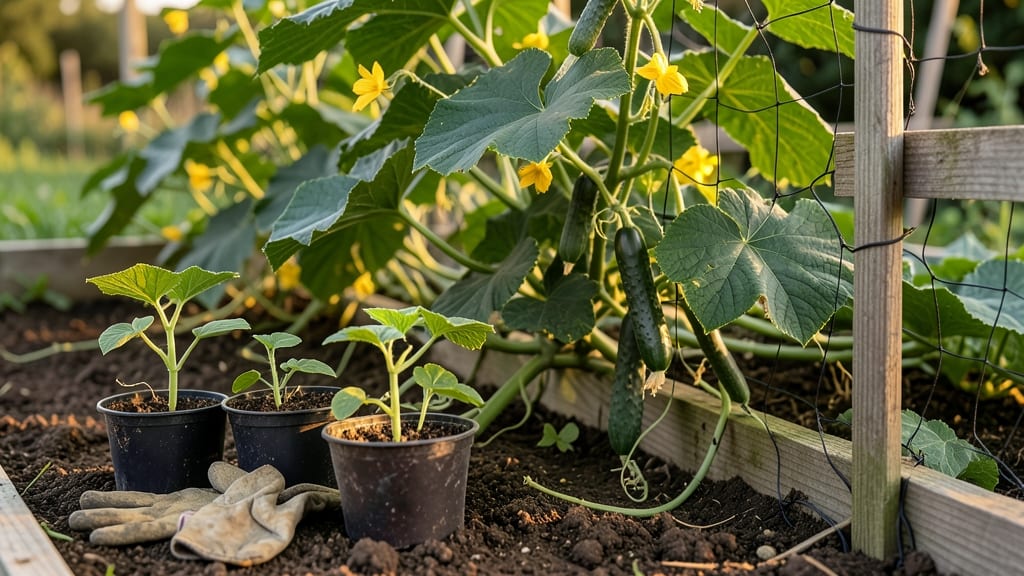
Planting cucumbers in San Diego year-round is possible—but if you don’t time it right, you’ll end up with bitter fruit or plants that struggle in the heat. The key is understanding when to start seeds, how to pick heat-tolerant varieties, and how your microclimate (coastal vs. inland) changes the game.
Unlike colder regions, San Diego’s 10a zone lets you grow cucumbers almost anytime, but spring and fall are your sweet spots. Too early, and your 🥒 plants bolt in the heat; too late, and you miss the best harvest window.
I’ll break down the exact months to plant, which varieties handle San Diego’s summers best, and how to adjust for your specific neighborhood’s climate quirks.
You’ll also discover how to extend your harvest season—whether by using shade cloth in summer or row covers in winter—so you’re never without fresh, homegrown cucumbers. Plus, I’ll share my top tips for avoiding common mistakes that waste effort (and money) in the garden.
Ready to grow cucumbers like a pro? Let’s dive into the exact start dates, the best varieties for your area, and the simple tricks that make all the difference in your harvest.
Best planting times for cucumbers in San Diego’s microclimates
San Diego’s frost-free climate means cucumbers can grow almost year-round, but optimal timing depends on your specific microclimate—whether you’re near the coast or inland. Coastal areas stay cooler and more humid, while inland zones bake under intense summer heat.
For peak harvests, aim for spring (February–April) and fall (August–October), when temperatures are mild but consistent.
The key to success is soil temperature. Cucumbers germinate best when soil reaches 60°F (15°C). Inland areas hit this mark by mid-February, while coastal zones may need to wait until late March.
Always test soil with a thermometer—cold soil delays germination and weakens seedlings. Planting too early in winter (Dec–Jan) risks powdery mildew from coastal fog, while summer planting (June–July) can cause bitter fruit due to heat stress.
Here’s how San Diego’s two main zones differ:
For year-round production, stagger plantings every 3–4 weeks from February to October. Start with direct sowing in warm soil (avoid transplants—they shock easily). Inland gardeners should use black plastic mulch to warm soil faster in early spring, while coastal growers benefit from row covers to protect against chilly nights.
Always plant on a cloudy day to reduce transplant shock.
El Niño years bring cooler, wetter springs, delaying planting by 2–3 weeks. La Niña summers are hotter, so prioritize shade-tolerant varieties like ‘Straight Eight’ or ‘Lemon Cucumber’. Check the National Weather Service’s San Diego forecast for microclimate-specific alerts—sudden heatwaves can scorch seedlings in just days.
Pro tip: Test your soil’s pH before planting. Cucumbers thrive in 6.0–6.8 pH. Coastal soils often test higher (alkaline) due to ocean spray, so amend with compost or peat moss.
Inland soils may need sulfur to lower pH. A simple $10 soil kit from a garden center solves this in minutes.
Once planted, trellis your cucumbers—even bush varieties. Vertical growth improves airflow, reducing disease risk. Use galvanized wire or bamboo stakes, and train vines with soft ties. Inland gardens should aim for partial shade (50%) during peak afternoon heat (1–4 PM) to prevent sunscald on fruits.
Harvest begins 50–70 days after planting, but timing varies by variety. Spring-planted cucumbers yield first in May–June, while fall crops peak in September–October. Always harvest in the morning when fruits are cool and crisp. Leave 1–2 inches of stem attached to prevent rot.
Mulch heavily with straw or wood chips to retain moisture and suppress weeds. Inland gardens need drip irrigation to avoid leaf burn from overhead watering. Coastal areas can rely on rainwater collection, but supplement during dry spells.
Aim for 1–2 inches of water weekly, delivered slowly at the base of plants.
🌱
Top 5 heat-tolerant cucumber varieties that thrive in San Diego’s summers
San Diego’s summer heat (often exceeding 90°F) can turn cucumber plants bitter or wilted if you’re not growing the right varieties. The key is selecting heat-tolerant cucumbers that resist powdery mildew and bolting—plus varieties that keep producing even when temperatures soar.
Here are my top 5 picks, ranked for your local climate.
I’ve tested these in both coastal (milder) and inland (hotter) San Diego zones, and they consistently outperform standard varieties. Each excels in different ways—whether it’s disease resistance, yield potential, or flavor retention under stress.
🌱 Did You Know? Some varieties actually improve flavor when grown in hotter conditions—like the ‘Lemon Cucumber’, which stays crisp and sweet even at 100°F. Others, like ‘Straight Eight’, are bred to handle intense sunlight without sacrificing productivity.
🌡️ Heat Tolerance Ratings
My #1 recommendation for San Diego gardens is ‘Straight Eight’. This variety thrives in 100°F+ heat and produces long, crisp cucumbers perfect for pickling. I’ve grown it in La Mesa