
Plants
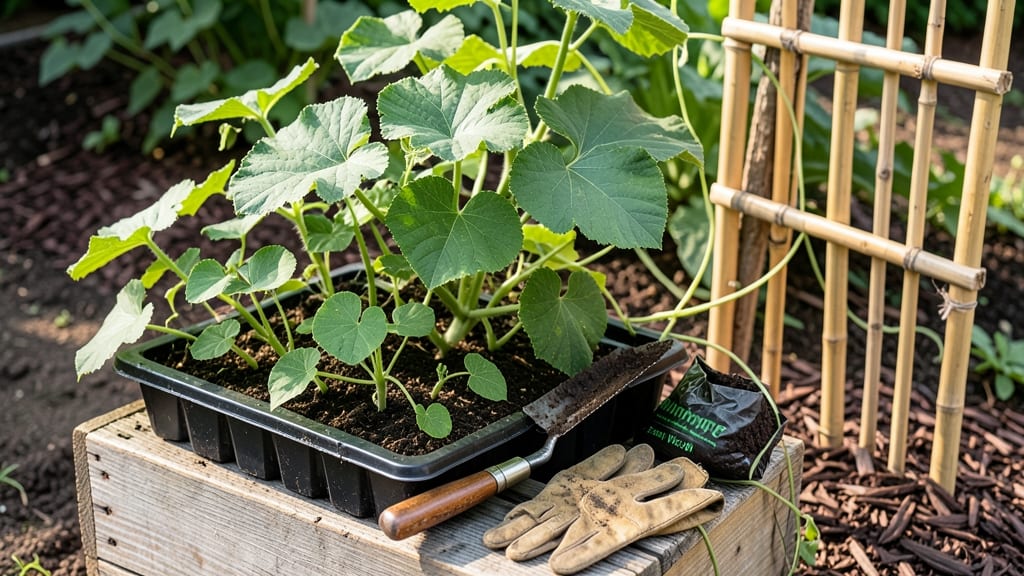
Planting cucumber seeds at the wrong time in North Carolina can mean the difference between a bountiful harvest and wasted effort.
The key is knowing when to plant them—after the last frost but before the soil gets too hot, which in zones 7a-8b means timing is everything for your 🥒 plants.
Most gardeners in NC wait until April 15 to May 15 for spring planting, but if you miss that window, don’t worry—you can still try again in July or August for a fall harvest.
The trick is balancing frost risk with soil temperature, which needs to stay above 60°F for seeds to germinate properly.
If you’re in the Piedmont or Coastal Plain, your exact planting date might shift slightly due to microclimates. For example, mountain regions often have later frosts, while coastal areas warm up faster. That’s why checking local frost data is a game-changer—it ensures your cucumbers get the best start possible.
In this guide, I’ll break down the best planting windows for your NC zone, share foolproof prep tips, and help you avoid common mistakes that kill cucumber crops. Let’s get those seeds in the ground at the perfect time!
North Carolina heat zones: exact planting deadlines by region
North Carolina spans USDA hardiness zones 6a through 8b, meaning frost dates vary dramatically from the mountains to the coast. In Zone 6a (western NC), your last spring frost typically arrives mid-to-late April, while Zone 8b (coastal areas) often sees frost-free conditions by early March.
These differences mean your cucumber planting window could shift by 6 weeks or more depending on where you live.
For peak cucumber production, aim to plant seeds 2-3 weeks after your average last frost date. This gives young plants time to establish roots before summer heat arrives. Soil temperature is just as critical as air temperature—cucumber seeds need consistent soil temps above 60°F to germinate properly.
In Zone 7a (Piedmont region), this usually aligns with mid-April to early May.
📅 Pro Tip: Use the NC State Extension’s frost date calculator (linked in our resources) to pinpoint your exact local window. Even within the same county, microclimates can create 3-5 day differences in frost timing—especially in valleys vs. hilltops.
🌱 NC Cucumber Planting Deadlines by Zone
| USDA Zone | Avg. Last Frost | Optimal Planting Window | Soil Temp Requirement | Fall Planting Window |
|---|---|---|---|---|
| 6a (Mountains) | April 15-30 | May 10-June 1 | 60°F+ (consistent) | July 15-August 1 |
| 7a (Piedmont) | April 1-15 | April 25-May 15 | 60°F+ (consistent) | June 20-July 10 |
| 7b (Coastal Plain) | March 15-April 1 | April 10-May 1 | 60°F+ (consistent) | June 10-July 5 |
| 8a-8b (Coastal) | February 15-March 1 | March 15-April 15 | 60°F+ (consistent) | May 20-June 10 |
If you’re in Zone 6a or 7a, consider planting heat-tolerant varieties like ‘Straight Eight’ or ‘Marketmore 76’, which handle NC’s 90°F+ summers better than standard types. For coastal gardeners (Zones 8a-8b), ‘Lemon Cucumber’ or ‘Sweet Success’ thrive in the humid, longer growing season.
For a fall harvest, plant seeds 8-10 weeks before your first frost (typically July-August in most zones). This gives cucumbers time to mature before cooler temps slow growth.
In Zone 7a, aim for July 15-August 1; in Zone 8b, you can extend until August 15.
Always check local agricultural extension reports—some years bring unexpected late frosts (like the 2020 April freeze that hit western NC). I’ve seen 3-5 day delays in planting windows during La Niña years, so flexibility is key.
🌱 Variety Tip: For urban NC gardeners with limited space, try bush cucumbers like ‘Bush Champion’, which mature in 50-55 days—perfect for container growing on patios or balconies.
Remember: Cucumbers are warm-season crops—they won’t tolerate frost at any stage. If you’re unsure about your local frost dates, start seeds
How to extend your cucumber growing season in NC without risking frost
North Carolina’s short growing season and unpredictable late spring frosts can cut your cucumber harvest short—but with the right strategies, you can extend your season by weeks. The key is protecting tender seedlings while maximizing your frost-free window.
Whether you’re in the coastal plains or the mountains, these techniques will help you harvest cucumbers later into fall.
Start by calculating your local frost dates using NOAA’s Frost/Freeze Forecast or your county’s agricultural extension service. For most of NC, the last spring frost typically falls between March 15 and April 15, while the first fall frost arrives around October 15 to November 15.
Knowing these dates lets you plan strategically for early and late plantings.
For fall harvests, start seeds indoors 8-10 weeks before your first frost date (typically mid-July for most of NC). Transplant seedlings outdoors in early August when soil temps stay above 60°F.
Use drip irrigation to maintain consistent moisture, which is critical for fruit development in hot summer months.
Don’t forget to harvest regularly—picking cucumbers every 2-3 days encourages more production and prevents bitterness. If a light frost threatens in late fall, cover plants with row covers or blankets until temps rise.
With these tactics, you can enjoy homegrown cucumbers from May through October—or even later with a little extra care!
Pro tip: Keep a garden journal to track your planting dates, frost dates, and yields. Over time, you’ll refine your approach to NC’s unique climate and maximize your harvest year after year. 🌱