
Plants
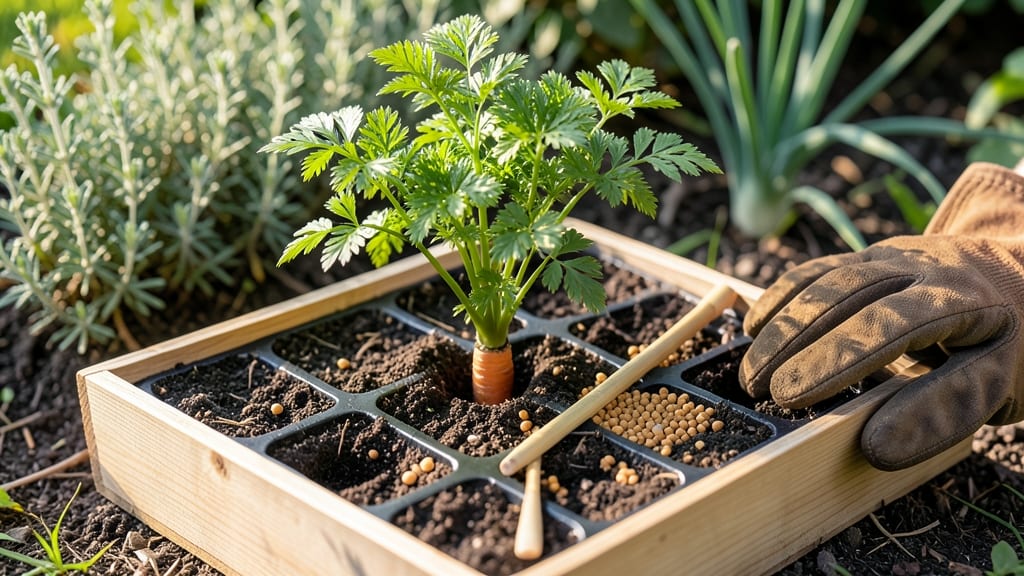
If you’ve ever struggled to plant carrots in San Diego at the right time for crisp, sweet harvests 🥕, timing is the key to success. Unlike other regions, San Diego’s coastal and inland zones behave like two different worlds—where one thrives in summer, the other might fail.
The right planting window makes all the difference between harvests full of perfect roots and bitter, stunted disappointments.
Here’s the secret: coastal areas like La Jolla can plant year-round, while inland spots like Escondido need to avoid summer’s scorching heat. With no frost to worry about, the real challenge is heat, water, and soil conditions.
I’ll break down the exact months to plant, plus how to adjust for your microclimate so you never miss a harvest season.
You’ll also discover 5 critical factors that determine whether your carrots grow straight and sweet or forked and tough. From soil prep to companion plants, I’ve tested what works in San Diego’s unique growing conditions. Let’s get those roots growing the right way—without the guesswork.
Whether you’re a beginner or a seasoned gardener, these insights will help you extend your harvest from fall through spring. Ready to dig in? Let’s make this your best carrot-growing season yet.
San Diego carrot planting calendar: coastal vs inland timing differences
San Diego’s microclimates create dramatic differences in carrot-growing success. Coastal areas like La Jolla enjoy milder winters, while inland zones like Escondido face hotter summers. Timing your plantings to these conditions ensures crisp, sweet roots instead of woody failures.
Unlike northern climates, San Diego’s frost-free year-round window lets you grow carrots almost anytime. However, soil temperatures and summer heat dictate the best planting windows. Coastal areas can start earlier in fall, while inland gardeners must avoid peak summer months to prevent bolting.
Here’s how to align your carrot planting schedule with San Diego’s two distinct growing zones:
| Month | Coastal (La Jolla) | Inland (Escondido) | Notes |
|---|---|---|---|
| January | ✅ Ideal (60-75°F soil) | ✅ Ideal (55-70°F soil) | Cool roots develop best in winter |
| February | ✅ Ideal (55-70°F soil) | ✅ Ideal (50-65°F soil) | Harvest by late spring |
| March | ⚠️ Late plantings (45-60°F soil) | ⚠️ Late plantings (40-55°F soil) | Risk of bolting increases |
| April | ❌ Avoid (too warm) | ❌ Avoid (soil >75°F) | Summer heat causes bitter roots |
| May | ❌ Avoid (coastal heat rises) | ❌ Avoid (soil >80°F) | Use shade cloth for experiments |
| June | ❌ Avoid (peak heat) | ❌ Avoid (soil >85°F) | Try heat-tolerant varieties |
| July | ❌ Avoid (coastal fog helps slightly) | ❌ Avoid (extreme heat) | No carrot growth recommended |
| August | ⚠️ Possible (early fall prep) | ⚠️ Possible (soil cooling) | Plant for fall harvest only |
| September | ✅ Ideal (60-75°F soil) | ✅ Ideal (65-80°F soil) | Best second planting window |
| October | ✅ Ideal (55-70°F soil) | ✅ Ideal (50-65°F soil) | Harvest through winter |
| November | ✅ Ideal (50-65°F soil) | ✅ Ideal (45-60°F soil) | Winter carrots stay sweet |
| December | ✅ Ideal (45-60°F soil) | ✅ Ideal (40-55°F soil) | Longest storage potential |
Notice how coastal areas can extend their growing season by 2 months compared to inland zones. The key difference lies in soil temperature—coastal soils stay cooler longer, while inland soils heat up faster in spring.
For inland gardeners, focus on fall and winter plantings (September-December) when temperatures drop below 75°F. Coastal gardeners gain an extra window in late summer (August-September) before heat sets in.
Pro tip: Use a soil thermometer to confirm temperatures. Carrots thrive in 55-70°F soil—any warmer risks bolting (premature flowering). Inland gardeners should aim for soil temps below 75°F at planting time.
Both zones benefit from succession planting every 2-3 weeks during ideal windows. This staggered approach ensures a continuous harvest from fall through spring.
🌱
5 Critical factors that determine your carrot planting success in San Diego
San Diego’s microclimates aren’t just about timing—your carrot success hinges on soil temperature, water consistency, and heat management. Let’s break down the 5 game-changers that separate crisp harvests from bitter failures in both coastal and inland areas.
Understanding these will help you adjust planting strategies for your specific zone.
First, soil temperature is non-negotiable. Carrots won’t germinate below 50°F (10°C), and inland areas like Escondido can hit ideal germination temps (60-70°F) as early as February, while coastal spots like La Jolla may wait until March.
Use a soil thermometer to avoid wasted seeds—this is your first line of defense against uneven sprouting.
🌱 Critical Factor #1: Soil Temperature
| Zone | Ideal Planting Temp | Risk Below 50°F |
|---|---|---|
| Coastal (La Jolla) | 60-70°F (March-May) | Slow germination |
| Inland (Escondido) | 60-70°F (February-April) | Fungal diseases |
💡 Pro Tip: Coastal areas benefit from black plastic mulch to warm soil faster.
Next, water availability becomes a make-or-break factor during San Diego’s dry summers. Inland zones like Ramona can experience 100°F+ soil temps by June, causing carrots to bolt prematurely.
My solution? Drip irrigation set to early morning (before 8 AM) to keep roots consistently moist without wetting foliage—this prevents fungal diseases like Alternaria.
Shade management is your third critical lever. Coastal areas stay milder year-round, but inland spots like Carlsbad can hit 95°F+ by July. Use shade cloth (30-50%) over rows to protect seedlings while still allowing 6+ hours of sun. I’ve seen Nantes carrots thrive under afternoon shade—their sweeter flavor develops when they’re not stressed by heat.
Fourth, succession planting extends your harvest window. Since San Diego has no frost, you can plant every 2-3 weeks from January to October. For example, sow a batch in February, then repeat in March, April, and May to ensure a continuous supply.
This works especially well for baby carrots, which mature in just 60 days—perfect for coastal microclimates where summer heat arrives later.
Finally, pest pressure varies wildly between zones. Carrot rust flies thrive in coastal humidity, while aphids plague inland gardens. My go-to defense? Row covers for young plants and companion planting with onions or leeks, which repel pests naturally.
In Escondido’s hotter zones, I also interplant with radishes—they mature quickly and disrupt fly life cycles.