
Plants
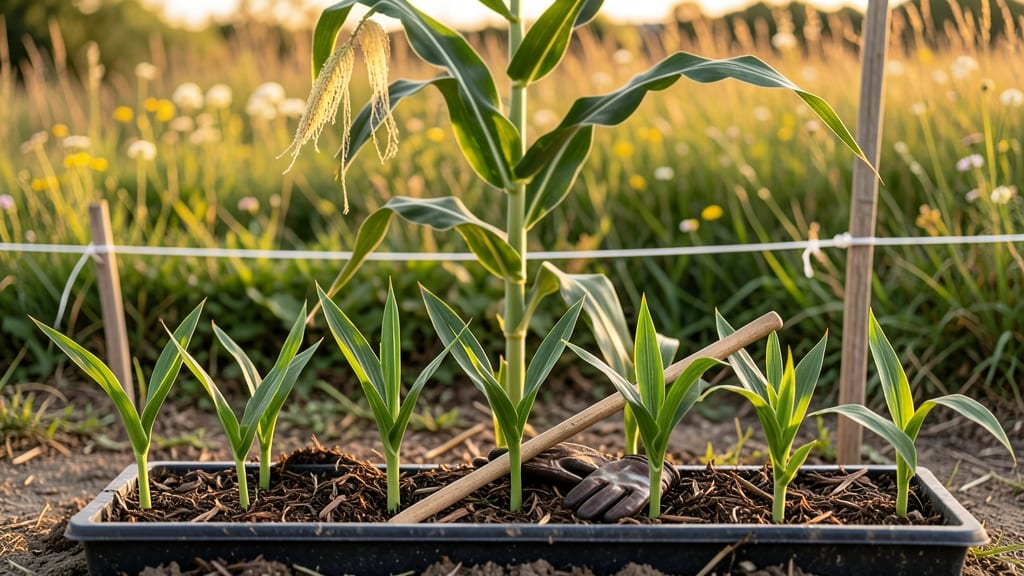
Planting corn in Western Washington at the wrong time can mean the difference between a bumper crop of sweet, juicy ears 🌽 and a sad, shriveled disappointment. The key isn't just following a calendar—it's understanding your microclimate's quirks, from the chilly coastal breezes to the warmer inland valleys.
Most gardeners in zones 8a-9a wait for mid-April to early June, but that window shifts dramatically depending on whether you're near Puget Sound or the Cascade foothills.
I've learned the hard way that planting too early risks frost damage, while waiting too long cuts your harvest short—especially when summer's 165 frost-free days feel like a ticking clock.
What if I told you there's a way to fine-tune your planting schedule for your exact location? We'll break down the science behind soil temperatures, last-frost dates, and how to pick varieties that thrive in your corner of the state—whether you're dealing with damp coastal air or inland heat waves.
By the end, you'll know exactly when to drop those seeds for maximum yield, plus pro tips to extend your growing season. Let's get that corn growing right—no guesswork, just golden ears waiting for you come summer.
Western Washington corn planting zones: coastal vs. inland timing differences
Western Washington’s diverse microclimates create dramatic differences in corn planting success. The Puget Sound region has cooler, wetter springs, while the Willamette Valley enjoys slightly warmer temperatures, and the Cascade foothills can experience earlier frost risks. Understanding these zones helps you pick the right planting window for your location.
Corn thrives when soil temperatures reach 50°F or higher—a threshold often delayed in Western Washington’s coastal areas. Inland zones like Yakima Valley may hit this mark by mid-April, while Seattle-area gardeners might wait until late May.
Always check your local last frost date (typically April 15) and add 2-3 weeks of buffer time.
Here’s how the three key zones differ in planting timing and soil readiness:
| Zone | Ideal Planting Window | Soil Temp Threshold | Frost Risk | Best Varieties |
|---|---|---|---|---|
| Puget Sound (Seattle, Bellingham) | Late May–Early June | 55°F+ (cooler soils) | High (late frosts) | Early Sunglow, Bodacious |
| Willamette Valley (Portland, Salem) | Mid-April–Late May | 50°F+ (warmer soils) | Moderate (earlier frost) | Silver Queen, Peaches and Cream |
| Cascade Foothills (Leavenworth, Wenatchee) | Early May–Mid-June | 52°F+ (variable) | High (mountain air) | Golden Bantam, Country Gentleman |
For coastal gardeners, use black plastic mulch to raise soil temperatures by 5–10°F and plant early-maturing varieties (60–70 days to harvest). Inland areas can afford slightly later starts but must watch for summer heat stress—choose heat-tolerant hybrids like 'Pioneer Brand' for prolonged harvests.
Always test your soil’s pH (6.0–6.8) and nitrogen levels before planting. Coastal soils often need extra compost, while inland areas may benefit from slow-release fertilizer to prevent leaching during heavy rains. Adjust your planting date if your soil test reveals deficiencies—corn is a heavy feeder!
Pro tip: Plant a test row 2 weeks before your target date to monitor germination. If seedlings emerge unevenly, wait another week—corn won’t tolerate transplanting well. Use row covers in early spring to accelerate warming and deter slugs, which thrive in Western Washington’s damp climate.
Remember, succession planting is key for continuous harvests. In the Puget Sound, stagger plantings every 2 weeks from late May through June. Inland gardeners can extend this to 3 weeks for a longer harvest window.
Track your local frost-free days (typically 165 days in Western WA) to ensure your corn matures before fall frosts strike.
If you’re unsure about your microclimate, check the USDA Plant Hardiness Zone Map (Zones 8a–9a) and cross-reference with your county’s agricultural extension office. They’ll provide hyper-local insights on soil types and historical frost patterns that can make or break your corn crop.
For urban gardeners in Seattle or Tacoma, container-growing corn is possible with large pots (18"+ deep) and daily watering. Just be prepared for smaller ears—corn needs space to thrive, and containers limit root growth.
If you’re planting in raised beds, ensure they’re at least 12 inches deep and filled with well-draining soil.
🌽
How to Adjust corn planting dates for Western Washington’s microclimates
Western Washington’s diverse microclimates mean your neighbor’s perfect corn planting time might ruin your crop. Urban Seattle’s cooler coastal breezes delay soil warming by weeks compared to the warmer Cascade foothills. Here’s how to customize your planting schedule for your specific zone.
Start by identifying your local frost-free date. Puget Sound areas average April 15-30, while inland valleys like Yakima hit May 1-15. Use a soil thermometer—corn seeds need 50°F+ soil to germinate. In cooler urban gardens, black plastic mulch can add 5-10°F warmth to soil.
For early varieties (60-70 days to harvest), plant 2-3 weeks before your last frost date. Mid-season varieties (80-90 days) should go in 1-2 weeks after your frost-free date. Late varieties (100+ days) need full summer heat—wait until late May to early June in coastal areas.
If your last frost date slips or you’re planting late, use row covers or cold frames to buy 3-4 weeks.
For succession planting, stagger seeds every 2 weeks in June-July to extend your harvest through September. Heat-tolerant varieties like 'Peaches and Cream' thrive in late plantings and handle Western WA’s occasional 90°F days.
Monitor your local weather patterns—coastal areas often get unseasonable chills in June. If a 50°F night is forecast, cover young plants with frost blankets. In drier inland zones, prioritize drought-tolerant varieties like 'Silver Queen' and water deeply every 2-3 days during tasseling.
Pro tip: Plant a test row 2 weeks early to gauge your soil’s readiness. If those seeds sprout in 7-10 days, your main planting is safe. If not, wait another 10-14 days—rushed corn grows leggy and weak in cooler soils. 🌱