
Plants
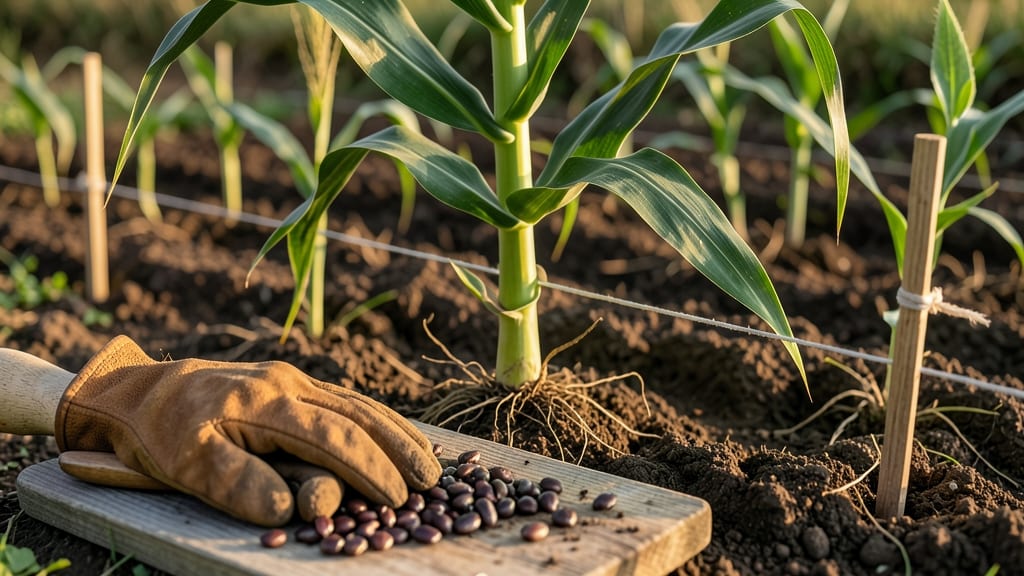
Planting corn in Washington State at the wrong time can mean the difference between a bumper crop of 🌽 and a disappointing harvest—especially when you're dealing with the Pacific Northwest's unpredictable spring weather.
Whether you're growing sweet corn for summer meals or field corn for livestock, timing is everything. The Puget Sound region and Eastern Washington have very different climate zones, meaning what works in Spokane won't necessarily work in Seattle.
I'll break down the exact planting windows you need to follow for each area, so you can avoid common mistakes that ruin corn harvests.
You'll also discover how to adjust for late frosts, soil temperature, and even microclimates that can throw off your planting schedule. With the right approach, you can maximize your corn's growth potential and enjoy fresh ears straight from your garden.
Let's get started with the ideal planting dates and strategies tailored specifically for Washington State's diverse growing conditions.
Best corn planting dates in Washington State by hardiness Zone and region
Washington State’s diverse microclimates mean corn planting dates vary dramatically from Zone 4 in Eastern WA to Zone 9 near Puget Sound. In Western WA, where mild, wet winters dominate, you can start sweet corn as early as late March in protected beds.
Meanwhile, Eastern WA’s colder springs often delay planting until mid-May to avoid frost damage.
For field corn and popcorn varieties, timing shifts slightly—these hardier types tolerate cooler soils, so you might plant 2-3 weeks earlier than sweet corn. The key is soil temperature: corn needs 50°F+ consistently before germination.
Use a soil thermometer to confirm readiness, especially in high-desert areas like the Columbia Basin.
Here’s how to align your planting with Washington’s three primary regions, including last frost dates and ideal windows for each corn variety:
| Region | USDA Zone | Last Frost Date | Sweet Corn Planting Window | Field/Popcorn Planting Window |
|---|---|---|---|---|
| Western WA (Puget Sound) | 7-9 | Mid-April | Late March–Early May | Early March–Late April |
| Eastern WA (Spokane, Wenatchee) | 4-7 | Mid-May | Mid-May–Early June | Late April–Mid-May |
| Columbia Basin (Yakima, Pasco) | 6-8 | Late April | Early April–Mid-May | Late March–Early April |
*Adjust for microclimates: Urban areas may frost later; coastal zones stay cooler longer.
In Zone 7-9 (Western WA), aim to plant sweet corn by May 1 to ensure harvests before fall frosts in September. Early varieties like ‘Silver Queen’ mature in 70 days, while late-season types like ‘Peaches and Cream’ need 90 days—so plan accordingly.
For Eastern WA’s shorter growing season, stick to short-season varieties (e.g., ‘Bodacious’) or use row covers to extend warmth.
Pro tip: Direct-sow corn—it hates transplanting. Start seeds 1 inch deep, 12 inches apart in rows 30 inches wide. In cooler zones, use black plastic mulch to warm soil faster. For organic gardeners, try straw mulch to retain moisture while letting sunlight through.
If you’re in Zone 4-5 (e.g., Moses Lake or Pullman), consider starter beds with row covers to jumpstart growth. Remove covers when plants hit 6 inches tall to prevent fungal issues. Popcorn, being hardier, can tolerate cooler soils and often succeeds where sweet corn fails.
Remember: Corn is wind-pollinated, so plant multiple rows (minimum 4 rows) or block plantings for cross-pollination. In urban gardens with limited space, try bush varieties like ‘Ambrosia’—they grow half the height of standard types but still produce full-sized ears.
For second crops, try succession planting in Zone 8-9 with fast-maturing varieties (e.g., ‘Peaches and Cream’). Plant a second batch in early June for a late-summer harvest before fall rains set in. Just ensure 100+ frost-free days remain after planting.
Finally, track your local frost dates using tools like the Old Farmer’s Almanac or WA State University Extension maps. In marginal zones, err on the side of planting late—better to miss a few weeks of growth than lose your entire crop to late frost.
How to adjust corn planting for Washington’s microclimates and soil conditions
Washington’s microclimates can turn a great corn harvest into a disaster if you don’t adapt. Coastal areas like Olympia stay damp longer, while Spokane’s dry air demands extra moisture. Even urban Seattle gardens face unique challenges. Here’s how to tweak your approach for success.Start by testing your soil temperature—corn needs 60°F+ soil to germinate. Use a soil thermometer in your garden bed. In Zone 7-9 (Western WA), this usually happens by late April to early May, but Zone 4-7 (Eastern WA) may wait until mid-May.
Coastal areas can delay planting by 2-3 weeks due to cooler, wetter springs.
For high-desert regions like the Columbia Basin, prioritize irrigation planning. Corn’s deep roots need 1-2 inches of water weekly, but sandy soils dry out fast.
Drip irrigation or mulching with straw retains moisture. In urban microclimates, containers dry out quicker—water daily in summer and use moisture-retentive soil mixes.
Amend clay-heavy soils (common in Eastern WA) with compost or sand. Coastal areas may need drainage improvements to avoid root rot.
Use black plastic mulch in cool zones to warm soil faster. Straw mulch works for dry areas to lock in moisture.
Extend the season by 2-3 weeks with floating row covers. Remove them when tassels emerge to prevent pollination issues.
Cities like Spokane can be 5-10°F warmer than rural areas. Plant heat-tolerant varieties like 'Golden Bantam' and water deeply in mornings.
If you’re growing corn in containers, choose dwarf varieties like 'Bodacious' and plant 2-3 weeks later than ground planting. Containers heat up faster, so monitor soil moisture daily. In coastal fog zones, space plants closer together to create a microclimate that retains warmth.
Don’t forget about pests—deer and raccoons love young corn! Use physical barriers like chicken wire in urban gardens or deer-resistant varieties in rural areas. In dry regions, corn earworms thrive—apply Bt spray preventatively.
By adjusting for your local microclimate, you’ll give your corn the best shot at thriving. Start with soil tests, watch for frost warnings, and stay flexible—Washington’s weather can shift fast! 🌽