
Plants
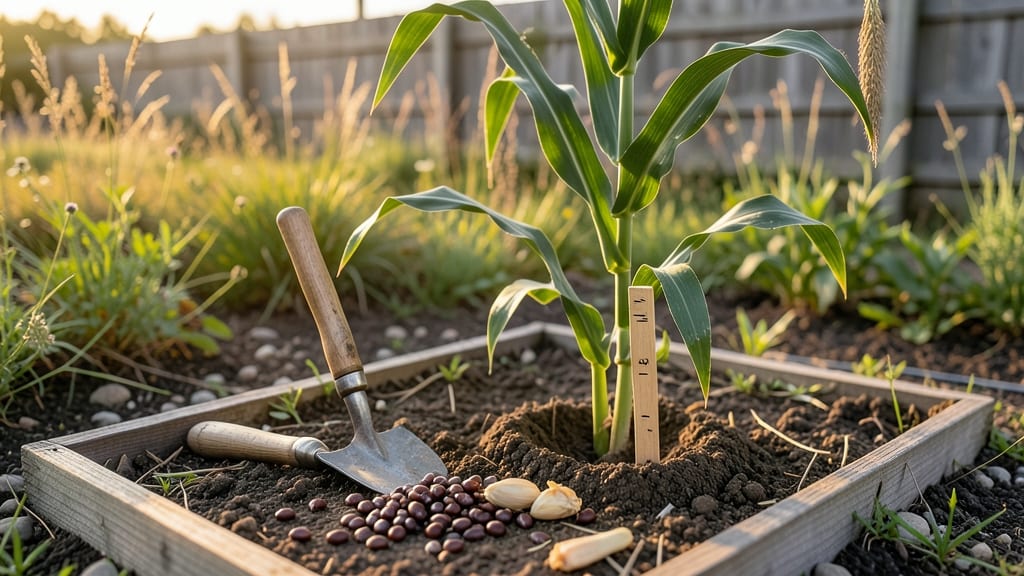
Timing your corn planting in Minnesota isn't just about the calendar—it's about avoiding frost damage while giving your 🌽 stalks enough time to mature before the first chill hits.
With USDA zones 4a-5b and unpredictable spring weather, getting those seeds in the ground too early can mean wasted effort, while planting too late risks stunted ears.
Most Minnesota gardeners swear by the mid-April to early June window, but the real secret lies in soil temperature. Corn needs the ground to stay above 50°F for consistent germination, and waiting for that warmth makes all the difference between a thriving crop and a disappointment.
Let me show you how to track these conditions and adjust your planting schedule for your specific part of the state.
Whether you're growing sweet corn for summer meals, field corn for livestock, or popcorn for fun, choosing the right variety matters just as much as timing. Early-season types like 'Golden Bantam' can handle cooler soils, while late-season varieties need every warm day they can get.
I'll break down which types work best in Minnesota's short growing season and how to maximize your harvest.
Ready to stop guessing and start growing? By the end of this guide, you'll know exactly when to plant, how to prepare your soil, and which Minnesota-tested varieties will give you the best chance at a bountiful corn crop—no matter where you are in the state.
Minnesota’s frost-free planting windows by corn variety
Minnesota’s 165 frost-free days create a tight window for growing corn successfully. Whether you’re cultivating sweet corn, field corn, or popcorn, timing is everything.
Plant too early and risk frost damage to tender seedlings, while planting too late may result in stunted growth before the first frost in mid-October. Let’s break down the ideal planting windows for each variety to maximize your yield.
For southern Minnesota (USDA zones 4b-5a), where the last frost typically occurs around May 15, you have more flexibility. In northern Minnesota (USDA zones 3b-4a), with later frosts around May 25-30, you’ll need to focus on early-maturing varieties.
Always check the MN Department of Agriculture’s frost forecasts for the most accurate local data.
Here’s a detailed breakdown of planting windows for each corn type, tailored to Minnesota’s climate:
| Corn Type | Best Planting Window | Days to Maturity | Notes for MN |
|---|---|---|---|
| Sweet Corn (Early Season) | Late April to early May | 60-70 days | Choose varieties like 'Golden Bantam' or 'Early Sunglow'. Ideal for northern MN. |
| Sweet Corn (Mid Season) | Early to mid-May | 70-80 days | Popular choices: 'Pioneer 39T33' or 'Silver Queen'. Best for central/southern MN. |
| Sweet Corn (Late Season) | Mid-May | 80-90 days | Varieties like 'Country Gentleman'. Riskier in northern MN; plant only if frost-free window extends late. |
| Field Corn | Early May | 90-110 days | Short-season hybrids like 'NK Brand 74-66'. Plant in blocks for better pollination. |
| Popcorn | Late April to early May | 85-100 days | Heat-tolerant varieties like 'Strawberry Popcorn' thrive in MN’s summer heat. |
If you’re in northern Minnesota, prioritize early-season varieties like 'Golden Bantam' (60 days to maturity) to avoid late frosts. For southern Minnesota, you can extend your planting window slightly later, allowing for mid-season varieties like 'Pioneer 39T33' (75 days).
Always use black plastic mulch to warm the soil faster if you’re planting early.
For field corn, which requires a longer growing season, focus on short-season hybrids like 'NK Brand 74-66' (90 days). Plant in blocks (not rows) to improve pollination success—a critical factor for corn yields. Field corn planted in early May typically matures just before the first frost in mid-October.
Popcorn lovers should opt for heat-tolerant varieties like 'Strawberry Popcorn' (85-100 days). These varieties handle Minnesota’s hot summers better and produce plump kernels. Plant popcorn in late April to early May for the best results, ensuring you have enough time for the kernels to fully develop before frost.
Pro tip: Use row covers if planting early to protect seedlings from unexpected late frosts. Remove covers once the soil warms to 50°F consistently. Monitor your local MN State Climatology Office for real-time updates on frost risks.
Remember, soil temperature is just as critical as air temperature. Corn seeds won’t germinate well in cold soil—always wait until the soil reaches 50°F at a depth of 2 inches. Use a soil thermometer to check before planting. 🌱
How soil temperature affects corn germination in Minnesota
Corn seeds won’t sprout until the soil reaches a consistent 50°F—any cooler and germination slows dramatically, risking poor stands. In Minnesota’s USDA zones 4a-5b, this often means waiting until late April or May, depending on your region.
Northern MN gardeners should delay planting until early June if early springs are typical, while southern areas can start as early as mid-April.
Cold soil isn’t just a germination issue—it also weakens young seedlings, making them vulnerable to rot and pests. Even if air temperatures feel warm, the ground may still be too cool.
That’s why I always check soil temps with a soil thermometer (available at garden centers for under $10) before planting. Pro tip: Aim for 55°F+ for faster, more reliable sprouting.
⚠️ Cold-Soil Warning
Planting corn in below-50°F soil causes:
- Slow germination (seeds may rot before sprouting)
- Weak seedlings (prone to damping-off disease)
- Uneven stands (some seeds sprout late or not at all)
Minnesota’s late spring frosts (common until mid-May in most areas) add another layer of risk. If a frost hits after planting, cover seedlings with frost blankets or row fabric immediately. For extra protection, plant near warm microclimates like south-facing fences or raised beds, which warm up faster.
I’ve had success with early-maturing varieties (like 'Early Sunglow') in colder zones—they can tolerate cooler soils better than longer-season types.
Depth matters too: plant seeds 1-1.5 inches deep in warm soil for best results. Deeper planting in cool conditions can delay emergence by weeks. If you’re worried about late frosts, consider starter fertilizer (like 5-10-10) to give seedlings a growth boost.
Just avoid over-fertilizing—corn is heavy-feeder but doesn’t need extra nutrients until it’s actively growing.
For real-time updates, check the MN Department of Agriculture’s frost forecasts or local University of Minnesota Extension alerts. They provide weekly soil temperature maps that predict safe planting windows. Bookmark their site—it’s saved me from multiple failed corn crops in chilly springs. Remember: patience now means bigger yields later.
If you’re in a rush, consider biodegradable seed blankets (like those from Johnny’s Selected Seeds) to protect seeds until soil warms. They’re a game-changer for northern MN gardeners who face shorter growing seasons. Just remove them once sprouts appear to avoid overheating.