
Companion Plants
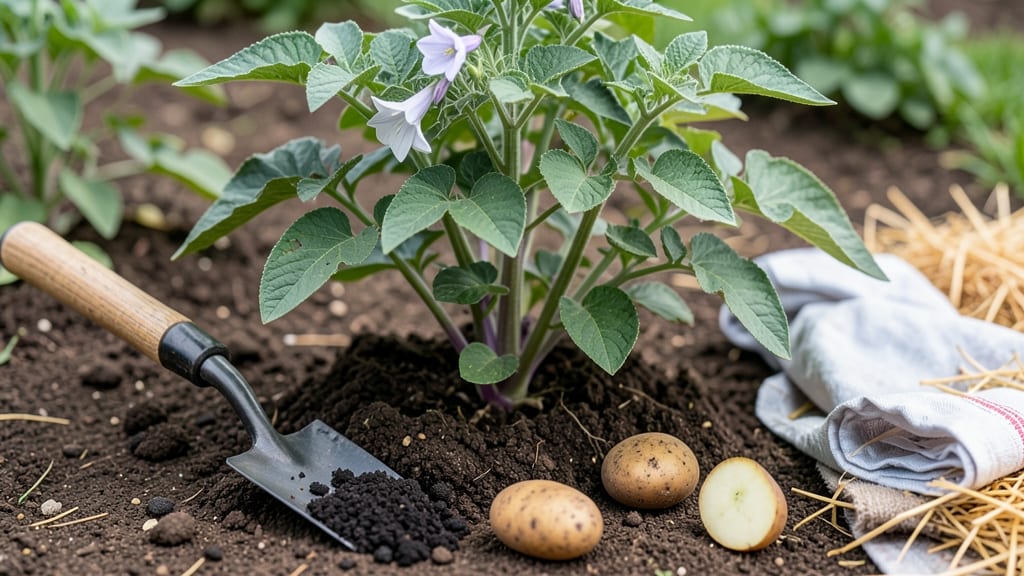
Planting potatoes in Michigan at the wrong time can mean the difference between a bountiful harvest and a wasted season.
The key isn't just waiting for spring—it's knowing exactly when your soil warms up, how frost patterns shift across the state, and which varieties thrive in Michigan's short but intense growing season.
Too early, and a late frost will kill your sprouts; too late, and you'll miss peak harvest before winter sets in.
Michigan's climate varies dramatically from the Upper Peninsula to the southern border, so there's no one-size-fits-all answer. What works in Detroit might fail in Traverse City, and even within regions, soil temperature and frost dates demand precision.
I've tested planting strategies across these zones, and the results speak for themselves—timing makes all the difference in yield and quality.
You don't need a degree in agriculture to get this right. With the right preparation—like loosening soil to 50°F and choosing cold-hardy varieties—you can plant potatoes in Michigan as early as late April in southern zones or wait until mid-May in the north.
The secret is matching your planting window to your local frost-free timeline, not just the calendar.
Ready to turn your garden into a potato powerhouse? Let's break down exactly when to plant in your specific corner of Michigan, plus proven tips to protect your crop from Mother Nature's curveballs. Your harvest is waiting—don't let timing ruin it.
Michigan’s frost-free planting windows for potatoes by region
Michigan’s diverse climate zones mean your potato planting schedule should match your location. The Upper Peninsula, Northern Lower Peninsula, and Southern Michigan all have different last frost dates, which directly impact when you should plant.
For most of Michigan, potatoes thrive when planted 2-3 weeks after the last frost, but soil temperature matters just as much as air temperature.
Potatoes need soil temperatures of at least 50°F to sprout consistently. In Southern Michigan, this often aligns with late April to early May, while Northern Michigan may need to wait until mid-to-late May.
The Upper Peninsula typically has the latest planting window due to its cooler climate, often late May to early June. Always use a soil thermometer to confirm readiness—cold soil delays germination.
Pro Tip: If you’re unsure about frost dates, check the National Weather Service’s historical data for your USDA Hardiness Zone. Most of Michigan falls between Zones 4b and 6a, with the Upper Peninsula leaning toward Zone 4b. Adjust your planting date based on your specific zone’s average last frost.
| Region | Average Last Frost | Ideal Planting Window | Soil Temp Requirement |
|---|---|---|---|
| Southern Michigan (e.g., Detroit, Ann Arbor) | Mid-April | Late April - Early May | 50°F+ |
| Northern Lower Peninsula (e.g., Traverse City, Grand Rapids) | Early May | Mid-May | 50°F+ |
| Upper Peninsula (e.g., Marquette, Houghton) | Late May | Late May - Early June | 50°F+ |
If you’re eager to get a head start, consider early varieties like ‘Yukon Gold’, which can tolerate cooler soils and still produce a harvest in 70-90 days. For Northern Michigan, prioritize cold-hardy varieties that can handle late springs.
In Southern Michigan, you might even squeeze in a second planting in July for a fall harvest, but only if you use fast-maturing varieties (like ‘Red Norland’).
Always monitor your garden for late frost warnings. Even after your average last frost date, a light freeze can damage young potato plants. If frost is forecasted, cover your plants with row covers or old blankets to protect tender sprouts.
This is especially critical in May, when Michigan’s weather can shift unpredictably.
For container gardening, warm up your pots by placing them in a sunny spot a few days before planting. Containers heat up faster than garden beds, so you might plant 1-2 weeks earlier than in-ground potatoes.
Just ensure your containers have drainage holes to prevent waterlogged soil, which can rot tubers.
Once your potatoes are in the ground, maintain consistent moisture. Dry soil leads to small, misshapen tubers, while soggy soil invites disease. Aim for 1-2 inches of water per week, delivered in the morning to reduce fungal risks.
Mulch with straw or grass clippings to retain moisture and regulate soil temperature.
Remember, Michigan’s growing season is short, so timing is everything. Plant too late, and you’ll miss the 90-120 day harvest window most varieties need. Use these guidelines to align your planting with your region’s climate, and you’ll be digging up plump, disease-free potatoes by late summer or early fall.
🌱
How to adjust planting for Michigan’s unpredictable weather patterns
Michigan’s unpredictable spring weather can turn a perfect planting plan into a gamble. Late frosts in May or sudden cold snaps in June are common, so flexibility is key.
The secret? Layered protection and smart variety choices to stretch your growing season—because even a 10-day delay can mean the difference between a harvest and a loss.
Start by planting early-maturing varieties (like ‘Early Red’) 2–3 weeks before your average last frost date. These potatoes can tolerate light frosts and still reach harvest in 90 days.
For regions like the Upper Peninsula, where frosts linger longer, opt for cold-hardy types like ‘Kennebec’ or ‘Red LaSoda’, which handle cooler soils better.
Here’s my foolproof strategy: Use row covers or frost blankets to shield young plants from late frosts. These lightweight fabrics trap heat and can raise soil temps by 5–10°F, giving your potatoes a head start.
Remove them once sprouts emerge to avoid overheating. For extra insurance, plant successive batches every 2 weeks—this spreads out your harvest and minimizes risk.
🌱
Don’t overlook soil preparation—Michigan’s clay-heavy soils can become waterlogged or compacted, stunting growth. Amend beds with compost or aged manure before planting to improve drainage. In sandy soils (common in the Thumb region), mix in peanut hulls or coconut coir to retain moisture.
Pro tip: Test your soil’s pH (ideal range: 5.0–6.0)—potatoes hate alkaline conditions, which lock out nutrients.
For Southern Michigan, where summers are hotter, focus on shade cloth during peak heat to prevent scab disease (a fungal issue triggered by temps above 80°F).
In the Upper Peninsula, prioritize windbreaks—potatoes need calm conditions to develop properly. A simple corn stalk barrier or burlap screen can work wonders.
Finally, keep an eye on the 7-day forecast before planting. If 32°F nights are predicted within 2 weeks, delay until soil warms. Use black plastic mulch to speed up soil heating—it can add 5–7°F compared to bare earth.
With these adjustments, you’ll turn Michigan’s unpredictable climate into an advantage, not a roadblock.
✂️
🌿