
Trees
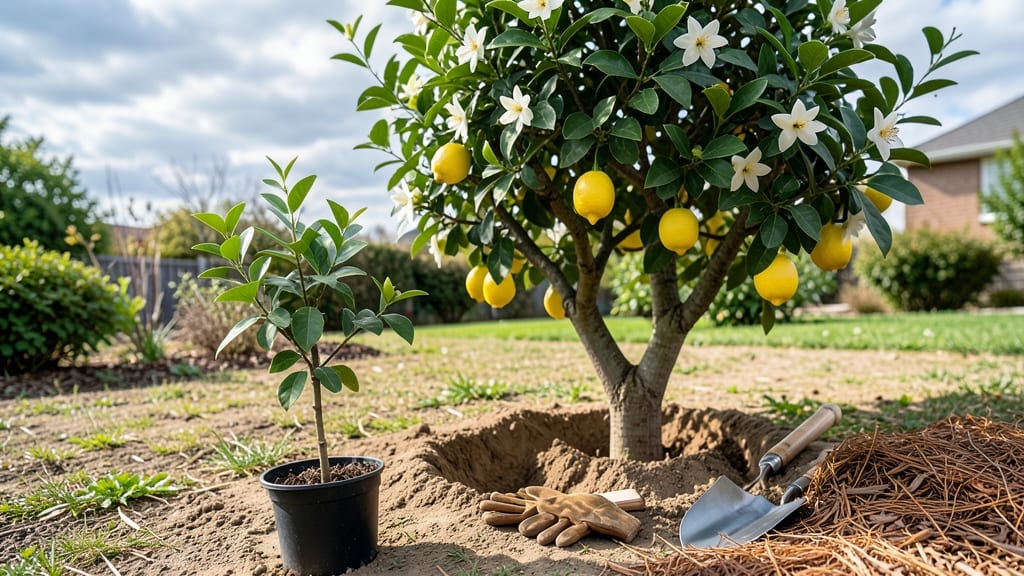
Planting your 🍊 citrus tree at the wrong time in Central Florida could mean the difference between a thriving orchard and a sad, struggling sapling—especially when cold snaps sneak in despite our warm 9a-10a zone.
You’ve got year-round growing potential, but timing still matters to help roots establish before summer’s brutal heat or winter’s rare frost.
Most gardeners in Central Florida swear by late winter to early spring (February-March) as the sweet spot, when soil warms and the risk of frost fades. But what if you missed that window?
Don’t panic—fall planting (October-November) also works, giving young trees time to settle before summer’s intensity. The key? Avoid planting during extreme heat (June-August) or right before winter’s edge.
Whether you’re digging in the ground or prepping a container, I’ll walk you through the exact steps to set your citrus tree up for success—soil prep, watering secrets, and even how to protect it from Florida’s occasional cold surprises.
Let’s get your 🍊 citrus tree off to the best possible start.
Ready to skip the guesswork? You’ll leave here knowing not just when to plant, but how to give your tree the fighting chance it deserves in Central Florida’s tricky climate. Let’s make that first harvest count!
Optimal planting months for citrus trees in Central Florida’s frost-free zone
Central Florida’s USDA Zones 9a-10a offer a near-perfect climate for citrus trees, but timing your planting is critical to avoid unexpected cold snaps and maximize root establishment.
The ideal window spans from late winter through early spring and again in late fall—aligning with Florida’s natural growth cycles and minimizing frost risks.
While citrus trees can technically be planted year-round in Central Florida, the best months are February through April and October through November. These windows provide warm soil temperatures (above 60°F) and moderate rainfall, which are essential for root development and early growth.
Here’s how to break down the planting timeline for each ideal month, including microclimate considerations for Orlando, Tampa, and Ocala:
| Month | Temperature Range (°F) | Frost Risk | Soil Conditions | Best For |
|---|---|---|---|---|
| February | 65-75°F | Low (rare below 32°F) | Warm, moist | Bare-root trees, in-ground planting |
| March | 70-80°F | Very low | Ideal warmth | Potted trees, container gardening |
| April | 75-85°F | None | Hot, drying | Established trees, transplanting |
| October | 75-82°F | Low (late frosts possible) | Warm, moist | Fall-bearing varieties (e.g., grapefruit) |
| November | 65-75°F | Moderate (watch for 30°F drops) | Cooling, moist | Cold-hardy varieties (e.g., Satsuma mandarins) |
For Orlando’s inland microclimate, prioritize planting in March or October to avoid the rare but possible January cold snaps. In Tampa’s coastal zone, where temperatures stay warmer year-round, February and November are slightly more forgiving.
Meanwhile, Ocala’s higher elevation may experience cooler nights, making April or late October the safest choices.
If you’re planting in containers, the window extends slightly into May or September, as potted trees can be moved indoors or under shade cloth during heatwaves. However, in-ground plantings should always avoid June through August, when intense heat and drought stress can stunt young roots.
Pro tip: Check the National Weather Service’s 10-day forecast before planting in November or December, as even Central Florida can see unexpected temperature drops below 40°F, which can damage tender new growth.
For dwarf varieties like Meyer lemons or Calamondins, the planting window is more flexible, but they still thrive best when planted in spring or early fall. These varieties recover faster from mild cold exposure but may drop leaves if stressed.
Remember, citrus trees planted in late fall (October-November) often fruit earlier the following year, while spring plantings focus energy on root and canopy growth before flowering. Choose your timing based on whether you prioritize immediate harvests or long-term tree health.
Key factors that determine the best planting time for citrus trees
Central Florida’s USDA Zones 9b-10a offer a near-perfect climate for citrus trees, but even here, timing matters. Beyond just months, factors like soil temperature, rainfall patterns, and citrus variety play pivotal roles in success.
For example, Meyer lemons tolerate cooler temps better than Valencia oranges, which need consistent warmth to thrive.
Another critical factor is container vs. in-ground planting. Container-grown citrus can be planted year-round since you control the environment, but in-ground trees need warmer soil (at least 60°F) to establish roots quickly. Cold soil slows growth and makes trees vulnerable to root rot or fungal diseases.
🌱
Container vs. In-Ground Planting: Key Differences
Container Planting
- ✅ Pros: Year-round planting, mobile for frost protection
- ✅ Pros: Better drainage control, ideal for small spaces
- ❌ Cons: Requires frequent watering, limited root space
In-Ground Planting
- ✅ Pros: Natural root expansion, lower maintenance
- ✅ Pros: Better for large varieties (e.g., grapefruit)
- ❌ Cons: Vulnerable to soil-borne diseases, less mobile
Rainfall also shifts the ideal planting window. Central Florida’s wet summers (June-August) can drown young roots, while dry winters (November-January) may stress trees if not watered properly. I always check the National Weather Service for 30-day forecasts before planting—especially for in-ground trees.
Don’t overlook citrus variety hardiness. Satsuma mandarins can handle brief 28°F dips, while Calamondins thrive in containers even in Zone 9a. If you’re in Ocala (Zone 8b), opt for cold-hardy varieties like ‘Eureka’ lemons or ‘Kumquats.
Finally, nursery stock type affects timing. Bare-root trees must be planted immediately after purchase, while potted trees offer flexibility. I recommend potted citrus for late fall plantings (October-November) because they establish faster in warmer soil.
🌿