
Plants
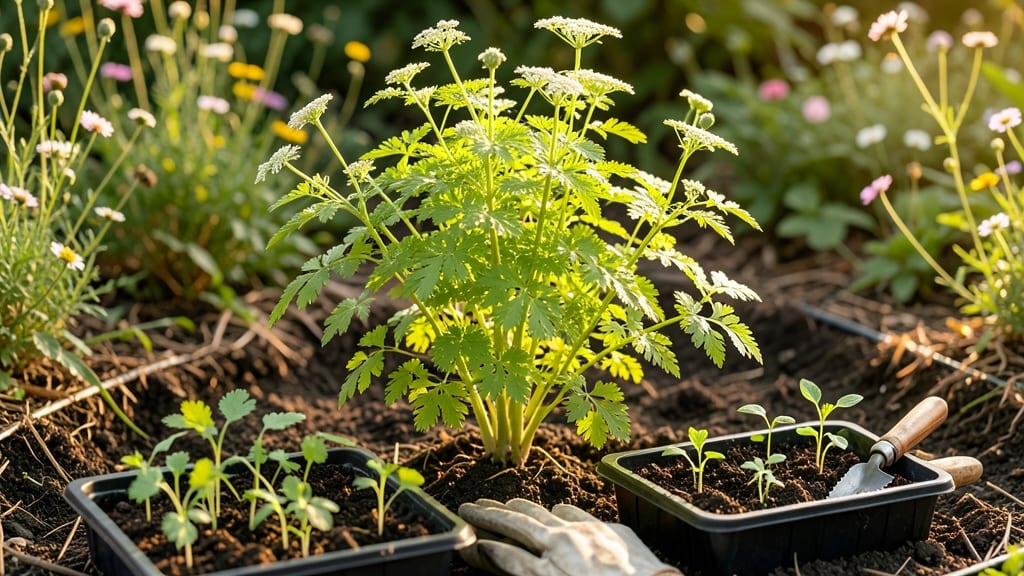
Planting cilantro in Florida at the wrong time means watching your fresh 🌿 harvest turn bitter and bolt before you can use it. The key to lush, flavorful cilantro lies in those two perfect windows—and missing them can leave you scrambling for store-bought substitutes.
Florida’s warm winters and long growing season create unique challenges for cilantro lovers. Unlike cooler climates, you can’t just plant in spring and forget about it—heat and humidity trigger bolting faster than you’d expect. But with the right timing, you’ll enjoy crisp, aromatic leaves straight from your garden for months.
I’ve grown cilantro in Florida for years, and the difference between a thriving patch and a failed attempt comes down to one simple rule: plant in September–November or February–March.
These months give cilantro the cool weather it craves while avoiding the brutal summer heat that sends it running to seed.
Ready to grow cilantro that stays fresh and flavorful? Let’s break down the exact months to plant, how to protect your crop from bolting, and the Florida-specific tricks that’ll keep your harvest going all season long.
Best months to plant cilantro in Florida (avoiding bolting)
Florida’s mild winters and long growing season make it possible to grow cilantro year-round, but timing is critical. Plant too early in summer, and your cilantro will bolt and turn bitter within weeks.
Too late, and you’ll miss the cool-season harvest window before spring heat arrives. The key is fall and early spring planting when temperatures stay between 60°F and 75°F.
In North Florida (Zones 8a-9a), the ideal window is September through November and again in February and March. Meanwhile, Central and South Florida (Zones 9b-11) can extend planting into December and even January before heat stress becomes an issue.
The goal is to harvest before daytime temperatures consistently exceed 80°F.
Here’s the golden rule: Plant cilantro when your average nighttime temperatures stay above 50°F but below 75°F. This keeps the plant happy and delays bolting. In Florida, that typically means avoiding April through September unless you’re using shade cloth or slow-bolting varieties.
For container gardening, you can push the limits slightly by moving pots to shadier spots during peak afternoon heat. However, even containers won’t save you from prolonged 90°F+ days, so plan your harvest before the spring heat spike in late April or early May.
| Planting Window | Best For | Temperature Range | Harvest Window | Notes |
|---|---|---|---|---|
| September - November | Fall Harvest | 60°F - 75°F | October - December | Best for North Florida; use shade in South |
| February - March | Spring Harvest | 65°F - 72°F | April (early) | Risk of bolting increases after March |
| December - January | Winter Harvest | 60°F - 70°F | January - February | South Florida only; use shade cloth |
| August (with shade) | Emergency Planting | Below 85°F | September (limited) | High bolting risk; use 'Santo' variety |
If you’re in North Florida, prioritize September sowing for a fall harvest. The cooler temperatures and shorter days help cilantro mature before bolting. For Central and South Florida, you can push into December but must provide afternoon shade and monitor soil moisture closely.
Even a single hot day above 85°F can trigger bolting.
Pro tip: Use a soil thermometer to check temperatures before planting. Ideal soil temps for cilantro germination are between 60°F and 70°F. If your soil is warmer than 75°F, wait or use shade cloth to cool it down.
This simple step can extend your growing window by 2-4 weeks.
For succession planting, sow new seeds every 2-3 weeks during your chosen window. This ensures a continuous harvest and reduces the risk of bolting all your plants at once. For example, if you plant September 1st,
Best months to plant cilantro in Florida (avoiding bolting)
Florida’s mild winters and long growing season make it possible to grow cilantro year-round, but timing is critical to avoid bolting (premature flowering).
Unlike northern states, Florida gardeners don’t need to worry about frost, but heat stress and humidity can still ruin your harvest if you plant at the wrong time.
For the best results, focus on fall and early winter plantings when temperatures stay between 60°F and 75°F. This range keeps cilantro cool enough to grow slowly while avoiding the bolting trigger of prolonged heat.
If you live in North Florida (USDA Zone 8), aim for September through November—this gives your plants time to mature before summer’s return.
In Central and South Florida (Zones 9-11), you can extend your planting window slightly later, but August and December are still risky months. The key is to plant when soil temperatures drop below 75°F—use a soil thermometer to check before sowing seeds.
If temperatures creep above 80°F, bolting is almost inevitable within weeks.
| Planting Window | Ideal Soil Temp (°F) | Bolting Risk | Best Varieties |
|---|---|---|---|
| September – November | 60–75°F | Low (with shade) | ‘Calypso’, ‘Santo’ |
| February – March | 65–72°F | Medium (spring heat) | ‘Slow Bolt’, ‘Leisure’ |
| August (North FL only) | 70–78°F | High (use shade cloth) | ‘Green Bush’ |
| December (South FL) | 68–74°F | Low (mild winters) | ‘Santo’ |
🌱 Pro Tip: Always plant cilantro in partial shade (30–50% sun) to reduce bolting risk.
If you’re determined to grow cilantro in summer’s peak heat, consider succession planting every 2–3 weeks in August or early September. This gives you a staggered harvest before temperatures become unbearable. Pair this with 50% shade cloth to drop soil temps by 10–15°F and extend your growing window.
For container gardening, timing is even more flexible since pots heat up faster. Start seeds indoors in late July and transplant outdoors in August, placing pots in dappled shade (e.g., under a tree or patio cover).
This mimics the cooler conditions cilantro craves and can add 4–6 weeks to your harvest season.
Remember, cilantro’s bitterness increases as it bolts, but proper timing can give you 6–8 weeks of fresh harvests before you need to replant. Mark your calendar for September 15th—this is the sweet spot for North Florida plantings, ensuring you avoid summer’s worst heat while still enjoying winter’s cooler temps.