
Plants
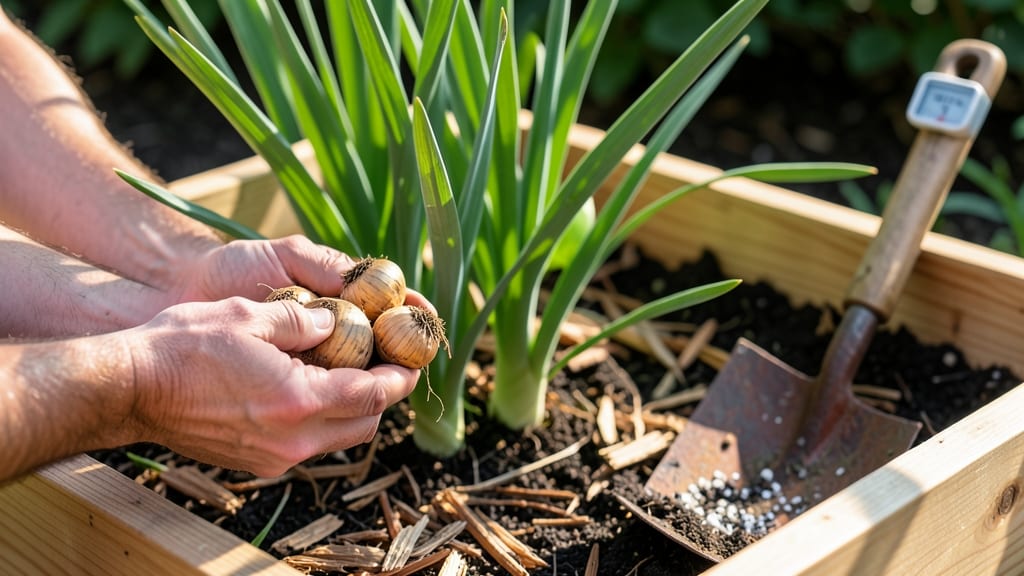
Planting gladiolus in Florida isn’t just about sticking corms in the ground—it’s about outsmarting the heat and humidity to coax those showstopping 🌸 blooms you’ve been dreaming of.
The wrong timing can leave you with weak stems or no flowers at all, but get it right, and you’ll enjoy vibrant displays from summer through fall.
Most gardeners assume gladiolus thrives on cool-season planting, but Florida’s 9a-10b climate demands a different approach. The key is planting in August-September for fall blooms or February-March for late-season color—timing that avoids both the brutal summer heat and the erratic spring rains that can drown corms before they sprout.
I’ve learned the hard way that rushing the process leads to stunted growth or even failed blooms. Whether you’re in North Florida’s cooler pockets or South Florida’s tropical zones, the right preparation—like well-draining soil and proper spacing—makes all the difference.
Let’s break down exactly when and how to plant for bold, long-lasting gladiolus that turns heads.
Ready to skip the guesswork? You’ll discover the two perfect windows for Florida planting, plus pro tips to keep your gladiolus thriving even when the weather tries to sabotage your garden. Let’s get those corms in the ground the right way.
Best Florida planting months for gladiolus by heat zone
Florida’s unique climate—with its humid summers, mild winters, and 11 distinct heat zones—means gladiolus planting isn’t one-size-fits-all. Unlike northern states, you won’t worry about frost, but heat stress and hurricane season can derail your blooms if you plant at the wrong time.
The key? Aligning your schedule with Florida’s rainfall patterns and temperature shifts.
Most gardeners in USDA zones 9a-10b (which cover all of Florida) get two prime planting windows: late summer (August-September) for fall blooms and early spring (February-March) for spring flowers. But the exact timing depends on whether you’re in North Florida’s cooler hills or South Florida’s tropical heat.
Let’s break it down by zone to avoid wilting corms and maximize those showstopping spikes of color.
🌸 Florida Gladiolus Planting Timeline by Heat Zone
| Heat Zone | Best Planting Window | Bloom Time | Key Consideration |
|---|---|---|---|
| North Florida (9a) | Late August - Early September | October - November | Avoid hurricane season (June-Nov) by planting after mid-August |
| Central Florida (9b) | August 15 - September 15 | September - October | Soil temps stay ideal (70-80°F) during this window |
| South Florida (10a-10b) | September 1 - October 15 | October - December | Plant after monsoon rains (late August) to prevent rot |
| All Zones (Spring Option) | February 15 - March 15 | May - June | Avoid April heat waves that stress young shoots |
📌 Pro Tip: Test soil temp with a thermometer—ideal range is 70-80°F for planting.
For North Florida gardeners (like those in Jacksonville or Gainesville), late August planting gives corms time to establish roots before September’s tropical storms. Meanwhile, South Florida’s (e.g., Miami or Fort Lauderdale) humid air demands a later start—wait until after August’s monsoon rains to prevent fungal diseases.
If you’re aiming for spring blooms, February-March planting works statewide, but avoid April—that’s when Florida’s heat can shock young shoots. I once planted gladiolus in early April in Orlando, and within weeks, the corms rotted from 95°F soil temps. Lesson learned: Patience pays off.
Another critical factor is rainfall timing. Florida’s wet season (June-November) can drown corms if planted too early. Aim to plant 2-3 weeks after your area’s last heavy rain.
Check your local NOAA climate data—for example, Tallahassee typically sees its last major downpour by mid-August, while Key West might need to wait until September.
For container growing, timing shifts slightly. Potted gladiolus can handle earlier planting (July in North Florida) because you control drainage. However, empty excess water daily during Florida’s humid afternoons to prevent root rot.
I’ve grown gladiolus in 12-inch pots on my Tampa balcony by planting in late July and using cactus mix soil for extra drainage.
Don’t overlook corm size when timing your plant. Larger corms (over 2 inches) establish faster and can handle earlier planting by 1-2 weeks compared to smaller ones.
For example, if you’re planting 1.5-inch corms in North Florida, stick to the late August window to give them time to root before September’s heat spikes.
Finally, consider your bloom goals. Want fall weddings? Plant in August. Craving spring color? Go for February. I once grew two batches in Central Florida—one in August for October blooms and another in February for May flowers.
The August batch produced 30% more blooms because the corms had longer to establish before winter’s cooler temps.
Remember: Florida’s micro
Best Florida planting months for gladiolus by heat zone
Florida’s 11 heat zones create a patchwork of microclimates where gladiolus thrive—or fail—depending on timing. Unlike cooler states, Florida’s 9a-10b zones let you plant twice yearly, but the August-September window is gold for fall blooms, while February-March works for late-season color.
The key? Avoiding peak summer heat (June-August) and spring’s unpredictable rains (April-May).
North Florida’s cooler pockets (zones 8b-9a) can handle early February planting, while South Florida’s tropical zones (9b-10b) should wait until late February to avoid heat stress. I’ve seen gladiolus wilt in 95°F+ soil, so timing is everything. Let’s break it down by zone for foolproof results.
| Heat Zone | Best Planting Window | Bloom Time | Key Tip |
|---|---|---|---|
| 8b-9a (North FL) | Feb 15 - Mar 15 Aug 1 - Sep 15 |
May-June Oct-Nov |
Use black plastic mulch to warm soil faster in spring. |
| 9a (Central FL) | Feb 20 - Mar 10 Aug 10 - Sep 10 |
May-June Sep-Oct |
Avoid heavy clay soil—amend with compost for drainage. |
| 9b-10a (South FL) | Feb 28 - Mar 15 Aug 15 - Sep 1 |
May-June Sep-Oct |
Plant shallow (3-4 inches) in sandy soil to prevent rot. |
| 10b (Miami/Dade) | Mar 1 - Mar 10 Aug 20 - Aug 31 |
May-June Sep-Oct |
Use raised beds to improve drainage in humid zones. |
South Florida’s longer growing season lets you squeeze in a second planting by August 20, but rush it, and you’ll battle hurricane season rains (June-November). I’ve had gladiolus drown in 12+ inches of rain—always plant on elevated beds or slopes to improve drainage.
For extended blooms, stagger plantings every 2-3 weeks within your zone’s window. This creates a continuous flower show from May through November. Just remember: North Florida gets a longer spring window, while South Florida must act fast to avoid summer’s oppressive heat.
Pro tip: Check soil temperature before planting—it should be 60-65°F. Use a soil thermometer ($10 at garden centers) to avoid planting too early. I’ve buried mine 4 inches deep for accurate readings.
Timing isn’t just about months—it’s about microclimates. A shady corner in Orlando might need a later start than a sun-drenched Miami garden bed. Observe your space for 2-3 years to pinpoint the perfect window.