
Plants
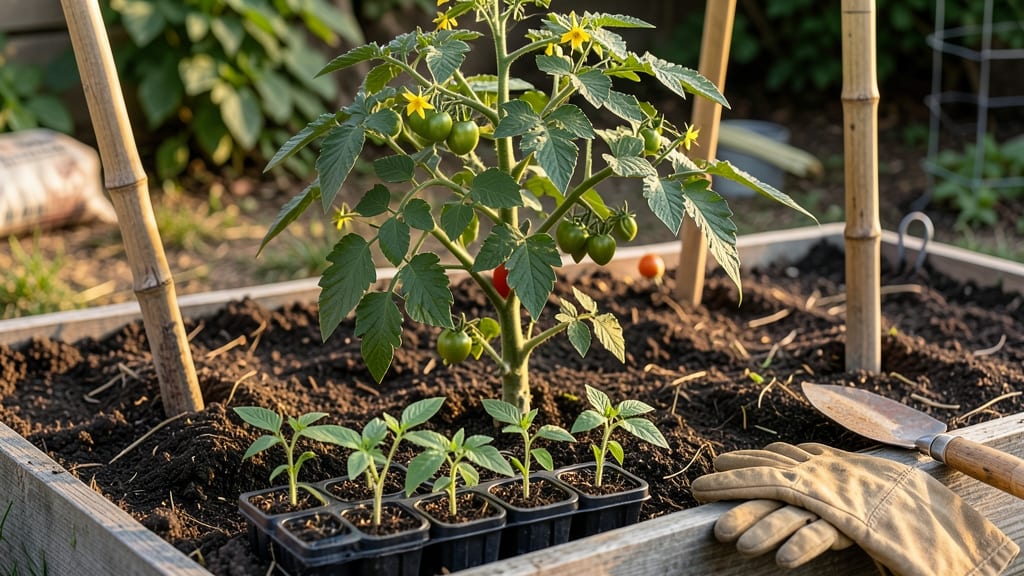
Planting tomatoes in Florida isn’t just about grabbing seeds and sticking them in the dirt—it’s about timing them perfectly to beat the heat and avoid the pitfalls that ruin harvests.
With year-round growing potential in zones 8a-11, most gardeners assume they can plant whenever they want, but the truth is far more nuanced.
Your best bet for a thriving 🍅 harvest? Start seeds or transplants in February-March for spring crops, then again in August-September for fall. Summer planting is risky—unless you’re in South Florida—because temperatures above 90°F stress plants, leading to blossom drop and stunted growth.
Even Florida’s frost-free winters have their quirks, like humidity spikes that invite fungal diseases.
Here’s the game-changer: soil temperature. Tomatoes need soil at least 60°F to thrive, so don’t rush—wait until late February in North Florida or early January in the Keys. I’ll show you how to use mulch, shade cloth, and heat-tolerant varieties to stretch your growing season without the guesswork.
Ready to turn your Florida garden into a tomato powerhouse? Let’s break down the exact planting schedule by region, plus 3 pro tips to keep your plants happy from seed to harvest—no matter the season.
Florida heat Zone planting schedule: exact dates for tomatoes by region
Florida’s 11 USDA hardiness zones (8a–11) create dramatic differences in tomato planting success. In North Florida (Zones 8a–8b), like Jacksonville or Gainesville, frost can still threaten in January–February, while South Florida (Zones 10a–11), such as Miami or Key West, enjoys frost-free year-round growing.
Timing your plantings to avoid 90°F+ heat (June–August) and cold snaps (December–February) is key to avoiding stunted growth or blossom drop.
For most Florida gardeners, the two best planting windows are February–March (spring) and August–September (fall). However, Zone 10–11 growers can plant month-round with shade and extra water. Below is your region-specific schedule, including transplant dates (most reliable) and seed-starting windows (for early harvests).
🌱
Florida Tomato Planting Schedule by Heat Zone
| Zone | Spring Planting (Transplants) | Spring Seed Start | Fall Planting (Transplants) | Fall Seed Start | Avoid Planting |
|---|---|---|---|---|---|
| 8a–8b (North FL) | Feb 15–March 15 | Jan 1–Feb 1 (indoors) | Aug 15–Sept 15 | July 1–Aug 1 (indoors) | June–July (heat stress) |
| 9a–9b (Central FL) | Jan 15–March 1 | Dec 1–Jan 15 (indoors) | July 15–Sept 1 | June 1–July 15 (indoors) | May–June (peak heat) |
| 10a–10b (South FL) | Year-round (transplants) | Monthly (indoors) | Year-round (transplants) | Monthly (indoors) | None (use shade) |
| 11 (South FL) | Year-round (transplants) | Monthly (indoors) | Year-round (transplants) | Monthly (indoors) | None (use shade) |
💡 Pro Tip: Use black plastic mulch to warm soil faster in spring (raises temps by 5–10°F).
Why these dates? Tomatoes thrive in soil temps between 60°F–90°F.
Planting too early in North Florida risks cold soil (slows germination), while planting in June–July exposes them to heat stress (blossom drop, poor fruit set). Zone 10–11 gardeners can sidestep these issues by using shade cloth (30–50%) during summer months.
For staggered harvests, repeat plantings every 2–3 weeks during your zone’s ideal window. For example, in Zone 9a, plant Jan 15, Feb 1, Feb 15 for a continuous supply from March–June and August–November.
How to extend tomato growing seasons in Florida’s hottest months
Florida’s summer heat (July–August) can turn your tomato plants into crispy heat casualties if you don’t act. The key to success? Strategic shade, soil moisture, and heat-resistant varieties. I’ve grown tomatoes in Zone 9B for 10 years—here’s how I beat the heat without sacrificing yields.
First, avoid planting seeds during peak summer (June–July). Instead, transplant heat-tolerant varieties in late July or early August when soil temps drop slightly. Use black plastic mulch to warm the soil faster in spring or reflective mulch to cool roots in summer.
🔹 Visual Tip: Check soil temperature with a soil thermometer—ideal range is 60–85°F. If it’s above 90°F, delay planting or use shade cloth.
Use shade cloth (30–50%) during 10 AM–4 PM in July–August.
Drapes over trellises or hoops reduce temps by 10–15°F while allowing light for photosynthesis.
Mulch with straw or wood chips to retain moisture and cool roots.
A 3-inch layer keeps soil 10°F cooler and reduces watering needs by 30%.
Water deeply at dawn (1–2 inches per week) to prevent blossom drop.
Use drip irrigation or soaker hoses to avoid wetting foliage (reduces fungal diseases like early blight).
Choose determinate varieties for summer planting—they ripen faster (50–60 days).
Top picks: ‘Heatmaster’, ‘Solar Fire’, or ‘Celebrity’ (heat-tolerant and disease-resistant).
Fertilize lightly in summer—too much nitrogen causes leafy growth at fruit’s expense.
Switch to low-nitrogen (5-5-5) fertilizer every 6–8 weeks to support fruiting.
For container growers, use self-watering pots with coconut coir mix to prevent drying. If you’re in South Florida (Zone 10–11), you can even grow tomatoes in winter—just protect them from cold snaps with row covers.
Pro tip: Prune suckers aggressively in summer to redirect energy to fruit production instead of foliage. I remove 90% of suckers on my ‘Solar Fire’ plants and still get 20 lbs of tomatoes per plant in peak season.
🌱 With these tweaks, you’ll turn Florida’s brutal summer into your tomato powerhouse—no more wilting vines or bitter fruit!