
Plants
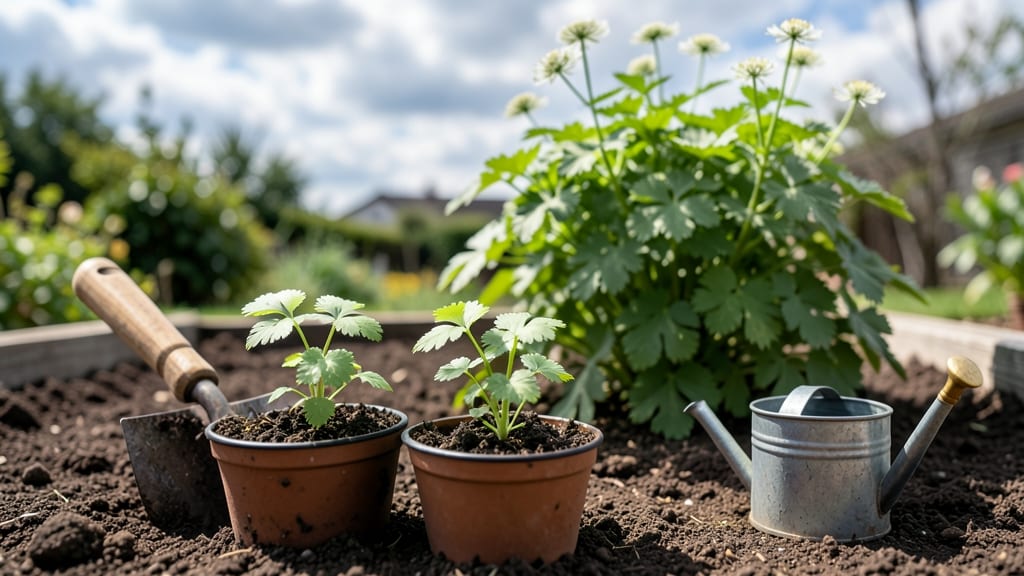
Planting cilantro at the wrong time in Arizona means watching it bolt into bitter flowers before you even get a harvest. The key to growing fresh, flavorful 🌿 cilantro lies in understanding the two perfect windows—fall and spring—when temperatures stay mild enough to prevent that frustrating early flowering.
If you’ve ever struggled with cilantro turning woody or flowering too soon, you’re not alone. Arizona’s intense heat forces most gardeners to abandon summer plantings, but with the right timing—like starting seeds in September-October or February-March—you can enjoy a steady supply of this versatile herb all season long.
What makes this even trickier is Arizona’s microclimates: Phoenix’s low desert behaves differently than Flagstaff’s cooler high desert. I’ll break down exactly when to plant in each zone, plus how to extend your harvest using shade cloth and succession planting—so you never run out of fresh cilantro again.
Ready to grow cilantro that stays tender and flavorful? Let’s dive into the exact months and strategies that work in Arizona’s climate, so you can enjoy homegrown cilantro from your garden instead of the store.
Best months to plant cilantro in Arizona (avoiding heat bolting)
Arizona’s USDA Zone 9b climate demands precise timing for cilantro to thrive. The herb bolts—prematurely flowering—when exposed to consistent temperatures above 80°F. My strategy? Plant cilantro during two ideal windows: late summer and winter. This avoids the brutal summer heat while maximizing harvests before monsoon rains arrive.
In Phoenix and Tucson, where heat lingers longer, aim to plant cilantro between mid-September and early October. For Flagstaff and high-desert regions, a slightly later window—late September to October—works better due to cooler nights. The key is beating the 90°F+ days that trigger bolting.
Your second planting window opens in late winter, specifically February to early March. This timing ensures cilantro matures before Arizona’s spring heat surge (March–April), which can still cause bolting. In cooler high-desert areas, you might push this window to March for safer growth.
Bolting risk spikes when cilantro experiences more than 3 consecutive days above 85°F. In Arizona, this happens predictably in May and June, so avoid planting then. Even a single heatwave in April can ruin your crop if it’s not established.
For container gardening, follow the same timing but monitor soil temperatures. Containers heat up faster, so use black plastic pots (they absorb heat) or place pots in shaded areas during peak afternoon sun.
I’ve had success with 5-gallon fabric grow bags buried halfway in the ground for better temperature regulation.
Here’s my pro tip: Use a soil thermometer to confirm ground temps are below 75°F before planting. Cilantro seeds won’t germinate well in hotter soil, and seedlings are even more vulnerable to heat stress. In Arizona’s desert, this often means waiting until afternoon temps drop below 90°F consistently.
Now, let’s break down the exact planting windows and what to expect in each Arizona region:
| Region | Ideal Planting Window | Harvest Window | Bolting Risk | Notes |
|---|---|---|---|---|
| Phoenix/Tucson (Low Desert) | Mid-Sept–Early Oct | Oct–Nov | High after Oct 15 | Use 30% shade cloth after planting |
| Flagstaff/High Desert | Late Sept–Oct | Oct–Nov | Moderate after Oct 10 | Cooler nights reduce bolting risk |
| All Regions (Winter) | Feb–Early March | April–May | Low (spring heat arrives late) | Best for extended harvests |
For succession planting in Arizona, I recommend sowing new seeds every 2–3 weeks during your ideal windows. This staggered approach ensures a continuous supply of fresh cilantro without overwhelming your garden.
For example, plant the first batch in mid-September, then follow with batches in late September and early October.
If you’re in a high-desert area like Sedona or Prescott, you might even squeeze in a third planting in late October. These regions experience earlier frosts, so cilantro can often survive until mid-November with proper mulching.
Always check your local first frost date—Flagstaff’s average is December 15, while Phoenix rarely sees frost.
Remember: Cilantro is a cool-season crop, and Arizona’s climate is its biggest challenge. By planting during these precise windows and monitoring heat thresholds, you’ll avoid the bitter bolting that ruins so many Arizona gardens.
With the right timing, you’ll enjoy fresh cilantro for salsas, soups, and salads straight from your backyard—no store-bought substitutes needed!
Best months to plant cilantro in Arizona (avoiding heat bolting)
Arizona’s USDA Zone 9b climate means cilantro thrives only during two narrow windows—fall and spring—when temperatures stay below 75°F. Plant outside these times, and your cilantro will bolt (go to seed) within weeks, turning bitter.
The key is late summer for fall crops and early spring for spring harvests, with adjustments for elevation.
In low-desert areas like Phoenix and Tucson, aim for September 15–October 15 to beat the summer heat. Higher elevations like Flagstaff (Zone 7a) can plant 1–2 weeks earlier due to cooler nights. The goal is to establish roots before daytime temps hit 80°F, which triggers bolting.
| Region | Fall Planting Window | Spring Planting Window | Bolting Risk |
|---|---|---|---|
| Phoenix/Tucson (Zone 9b) | Sept 15–Oct 15 | Feb 20–March 15 | High after Oct 30 |
| Sedona (Zone 7b) | Sept 1–Oct 1 | Feb 10–March 1 | Moderate after Oct 15 |
| Flagstaff (Zone 7a) | Aug 25–Sept 15 | Jan 20–Feb 10 | Low after Oct 1 |
For spring planting, wait until soil temps drop below 70°F (test with a thermometer) to avoid early bolting. In Phoenix, this is typically mid-February, while Flagstaff can start as early as January 20. Use a soil thermometer to confirm—cilantro roots struggle in warmer-than-70°F soil.
Pro tip: Direct-sow seeds (don’t transplant seedlings) for faster establishment. Space seeds ½ inch apart in rows 12 inches apart to prevent overcrowding. Thin to 6 inches apart when seedlings are 2 inches tall. Mulch with straw or shredded leaves to retain moisture and keep roots cool.
Monitor your cilantro’s leaf color—yellowing or purple stems signal stress from heat or drought. If you see flower buds forming, harvest immediately or the plant will bolt within days. In Arizona’s unpredictable monsoon season, provide 30% shade cloth if temps spike above 85°F during the day.
With precise timing, you can harvest fresh cilantro every 3–4 weeks from fall through spring. Start seeds indoors 4–6 weeks before your target outdoor date to extend your season, but harden off seedlings gradually to avoid transplant shock in Arizona’s dry desert winds.