
Plants
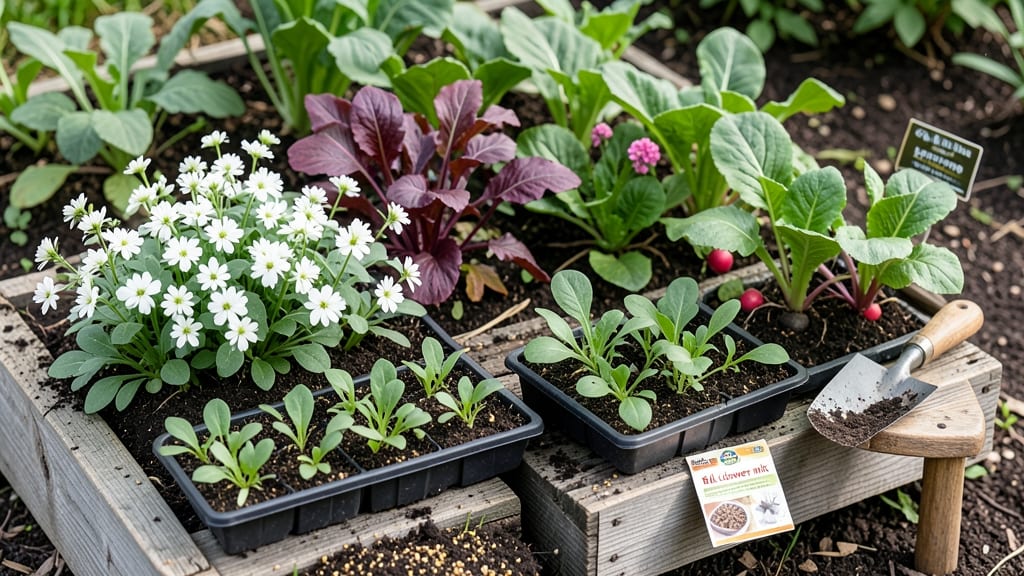
Planting fall food plots in Georgia at the wrong time can mean the difference between a thriving whitetail hotspot and a wasted investment. The exact window—late August through mid-September—aligns perfectly with Georgia’s climate to ensure your plots grow lush before frost hits.
Why does timing matter so much? Because deer rely on these plots for late-season nutrition, and a late planting leaves them hungry when they need food most. I’ve seen firsthand how just two weeks off schedule can stunt growth or invite weeds.
Let’s break down the ideal schedule for clover, brassicas, and winter wheat to keep your plots productive all fall.
Georgia’s varied climate means adjustments are key—whether you’re in the mountains or the flatlands. We’ll cover how to read soil temperatures, avoid frost damage, and choose the right seeds for your region. Skip the guesswork and learn the critical steps to maximize your plot’s potential.
From soil prep to post-planting care, I’ll share my top tips to help you avoid common mistakes like planting too late or ignoring pH levels. By the end, you’ll know exactly when to plant, what to plant, and how to keep your food plots thriving until hunting season.
Georgia’s ideal fall food plot planting calendar by species
Fall food plots in Georgia aren’t just about throwing seeds into the dirt—they’re about strategic timing to ensure your whitetail deer have fresh forage when they’re most active.
The best planting windows vary by species, from clover to brassicas and winter wheat, and depend on Georgia’s USDA hardiness zones (6b-8a) and frost dates. Plant too early, and you risk weed competition; too late, and frost will kill tender seedlings.
Let’s break down the exact months for each top crop.
For Georgia’s climate, aim to plant food plots when soil temperatures average 60-70°F—this ensures rapid germination and strong root establishment. In North Georgia (higher elevations), this often means late August to early September, while South Georgia (warmer zones) can extend planting until mid-October.
Always check your local frost dates—most of Georgia sees its first frost between November 15 and December 15, so plan accordingly.
Here’s the golden rule: Seedlings need 4-6 weeks of growth before frost hits. For example, annual ryegrass should be planted by September 15 in North Georgia to reach maturity before winter.
Meanwhile, clover, which is frost-tolerant, can handle later plantings up to October 15. Let’s dive into the species-specific schedule to maximize your plot’s success.
When selecting seeds, prioritize deer palatability and local adaptability. For example, turnips and rapeseed are deer magnets but must be planted early to avoid frost damage.
Meanwhile, clover and chicory are more forgiving and can handle cooler temperatures. Always choose certified noxious-weed-free seeds to prevent invasive spread in Georgia’s ecosystems.
Preparing the soil is just as critical as timing. Before planting, conduct a soil test to check pH (aim for 6.0–7.0 for most crops). Amend with lime if pH is too low or sulfur if it’s too high.
Till the soil to a depth of 4–6 inches and remove weeds to reduce competition. For brassicas, add a balanced fertilizer (10-10-10) at planting, while legumes like clover benefit from phosphorus-rich amendments like bone meal.
After planting, water deeply to encourage root growth, especially during Georgia’s dry fall months. Use a drip irrigation system or soaker hose to avoid wetting foliage, which can promote disease. For clover and chicory, reduce watering once established, as they’re drought-tolerant.
Monitor your plots for deer activity—once seedlings reach 6–12 inches, they’ll start attracting bucks during rut season (late October–December).
Pro tip: Mix two or three species in your food plot for extended forage availability. For instance, pair annual ryegrass (fast-growing) with clover (long-lasting) to provide food from fall through spring. This layered approach ensures deer have something to eat regardless of weather fluctuations.
Finally, avoid planting monocultures (single-species plots), as
How to adjust planting dates for Georgia’s microclimates
Georgia’s diverse landscapes—from the North Georgia mountains to the South Georgia flatlands—create microclimates that demand precise planting adjustments. A food plot planted perfectly in Athens might fail in Savannah if you don’t account for local frost patterns and soil warmth.
Understanding these variations ensures your plots thrive during peak deer activity.
For example, North Georgia’s higher elevations (USDA zones 6-7) often see earlier frosts than South Georgia (zones 7b-8a). This means your winter wheat might need planting 2-3 weeks earlier in Dahlonega compared to Valdosta.
Always check your local frost dates—aim to plant 4-6 weeks before the first expected frost for most cool-season crops.
Don’t rely solely on average frost dates—use a 3-step verification process to fine-tune your schedule. First, check the USDA Plant Hardiness Zone Map for your county. Then, reference local hunting forums (like Georgia Deer Association threads) for real-world insights.
Finally, test your soil’s readiness with a soil thermometer—plant only when temps consistently stay above 50°F at 4-inch depth.
For South Georgia’s warmer zones, you can push late fall plantings (like austrian winter peas) until early November.
But in North Georgia’s cooler microclimates, stick to mid-October for most species. Brassicas (turnips, radishes) are more frost-tolerant, so they can handle later starts—up to mid-November in southern Georgia.
Remember: Soil moisture and drainage also vary by region. South Georgia’s sandy soils dry faster, requiring more frequent irrigation after planting. Meanwhile, North Georgia’s clay-heavy soils may need amendments to prevent waterlogging. Always test your soil’s drainage before committing to a planting date.
By accounting for these microclimate factors, you’ll avoid the heartbreak of frost-killed plots or stunted growth. A well-timed food plot isn’t just about the calendar—it’s about understanding your patch of Georgia like a pro. 🌿