
Plants
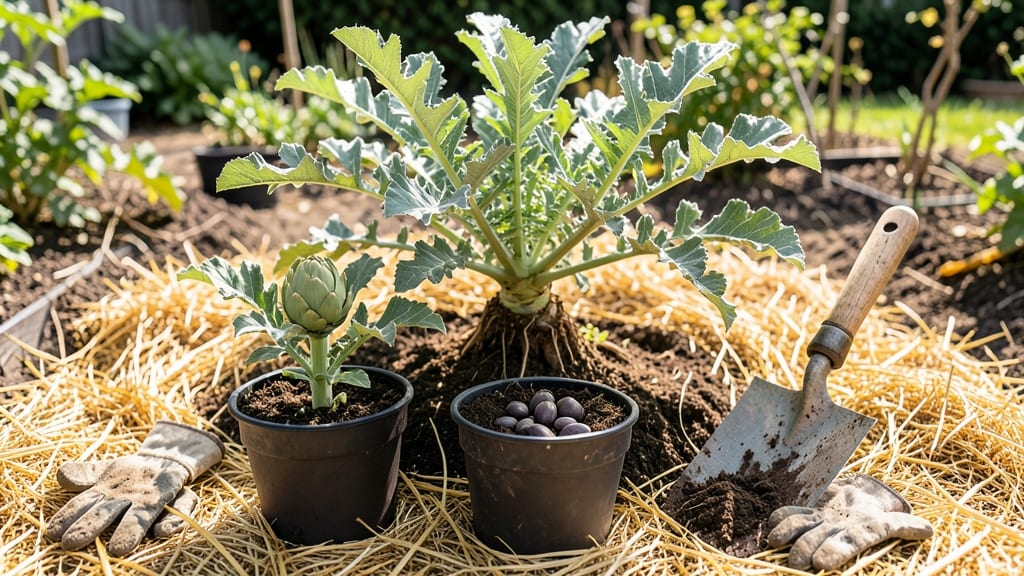
Planting artichokes in Arizona might seem tricky with its extreme heat and unpredictable frost dates, but timing everything just right means you can enjoy a bountiful harvest without the usual growing pains.
Unlike cooler climates where spring planting is standard, Arizona gardeners actually get the best results by putting artichoke starts 🌱 in the ground between October and December. This schedule helps them establish strong roots before winter rains arrive, setting the stage for a productive growing season.
The key is understanding your local microclimate—whether you're in the low desert where frost is rare or at higher elevations where chilly nights are more common. I'll walk you through exactly how to align your planting with Arizona's unique conditions for maximum success.
With the right preparation, you can beat the heat and avoid common mistakes that sabotage artichoke crops. Let's dive into the perfect schedule and soil strategies to make your desert garden thrive.
Optimal planting windows for Arizona artichokes: avoiding heat stress and frost
Arizona’s USDA Zone 9b climate offers a unique challenge for growing artichokes (Cynara cardunculus)—the key is timing your plantings to avoid summer heat stress while capitalizing on mild winter temperatures.
Unlike cooler climates, Arizona’s low deserts (Phoenix, Tucson) rarely see frost, while higher elevations (Flagstaff, Prescott) may experience light freezes. This means your planting window shifts dramatically depending on location.
For low desert areas (Zone 9a-10a), focus on fall planting (October–November) to establish roots before winter rains. In higher elevations (Zone 8a-9a), aim for September–October to avoid early frost risks.
The goal is to have plants 4–6 weeks old before winter’s chill sets in—this gives them time to harden off and thrive through cooler months.
Artichokes need soil temperatures between 60–70°F (15–21°C) to germinate successfully. In Arizona, this typically aligns with late September through November, when daytime highs drop below 90°F (32°C). Use a soil thermometer to confirm—planting too early in 100°F+ (38°C+) heat will stall germination.
Here’s my Arizona-specific planting schedule to maximize yield while avoiding common pitfalls:
| Location | Best Planting Months | Soil Temp Goal (°F) | Key Consideration |
|---|---|---|---|
| Low Desert (Phoenix, Tucson) | October–November | 60–70°F (15–21°C) | Avoid summer heat; use shade cloth if planting early. |
| High Desert (Prescott, Flagstaff) | September–October | 55–65°F (13–18°C) | Frost risk after December; protect with row covers. |
| Containers (Anywhere) | November–January | 50–60°F (10–15°C) | Move to shaded areas during summer; use 5-gallon pots. |
If you’re in Zone 9b (like Phoenix), November is ideal—this gives plants time to establish before winter rains. For Zone 8a (e.g., Sedona), late September is critical to avoid early frost.
Pro tip: Check your local Almanac frost dates—Arizona’s first frost can hit as early as December 1 in higher elevations, while the low desert rarely sees frost.
Artichokes are biennial plants, meaning they produce buds in their second year. In Arizona, this translates to fall planting → winter growth → spring harvest.
For a second harvest, replant in January for a summer crop, but be prepared to provide afternoon shade to prevent heat stress.
One common mistake is assuming spring planting works—it doesn’t. Artichokes bolt (go to seed) in heat, so spring starts will yield bitter, woody buds. Instead, stick to fall/winter and let the plant’s natural cycle align with Arizona’s cooler, wetter months.
This also reduces pest pressure (like artichoke plume moths), which thrive in summer.
For container growing, timing is even more critical. Start seeds indoors in August and transplant outdoors in November to avoid summer’s intensity. Use black plastic mulch to warm soil in fall and straw mulch to retain moisture—both tricks help regulate soil temps for consistent germination.
Remember: Artichokes need 120–150 days to maturity. In Arizona, this means plant by November for a March–May harvest. If you’re in a cooler microclimate (like near mountains), push planting to late September to avoid winter dormancy.
The key is balance: cool enough to grow, warm enough to avoid frost.
🌱
Optimal planting windows for Arizona artichokes: avoiding heat stress and frost
Arizona’s USDA Zone 9b climate means artichokes thrive in cool fall/winter months when temperatures dip below 85°F. Planting too early in summer risks heat stress, while waiting too late may expose young plants to unexpected frost—especially in higher elevations like Flagstaff.
For low desert areas (Phoenix, Tucson), aim for October through December when soil temps stay between 60-70°F. In cooler mountain regions (Sedona, Prescott), extend planting into early January to avoid late frosts, which can occur as late as January 15.
Soil temperature is critical—artichokes won’t germinate well below 60°F. Use a soil thermometer to confirm readiness. In Arizona’s 100°F+ summers, soil stays too hot for planting until monsoon rains cool things down in late August.
| Region | Best Planting Window | Soil Temp | Key Consideration |
|---|---|---|---|
| Low Desert (Phoenix/Tucson) | October 15 - December 15 | 60-70°F | Avoid summer heat; use shade cloth if planting early |
| High Desert (Sedona/Prescott) | September 15 - January 10 | 55-65°F | Watch for late frosts; mulch heavily |
| Mountain Regions (Flagstaff) | August 15 - December 1 | 50-60°F | Longer growing season; harvest by May |
For container gardening, start seeds indoors 8-10 weeks before your target outdoor planting date. Use fast-draining potting mix with added compost to prevent root rot—a common issue in Arizona’s intense summer heat.
Pro tip: Plant Green Globe varieties—they tolerate mild frost better than others. If you miss the fall window, try spring planting in March for a late-summer harvest, but expect smaller yields due to summer heat stress.
Remember, artichokes need 120-150 days to mature. In Arizona’s climate, this means fall-planted crops will be ready by March-May, just as summer heat ramps up—perfect timing to enjoy your harvest before the next planting window!