
Plants
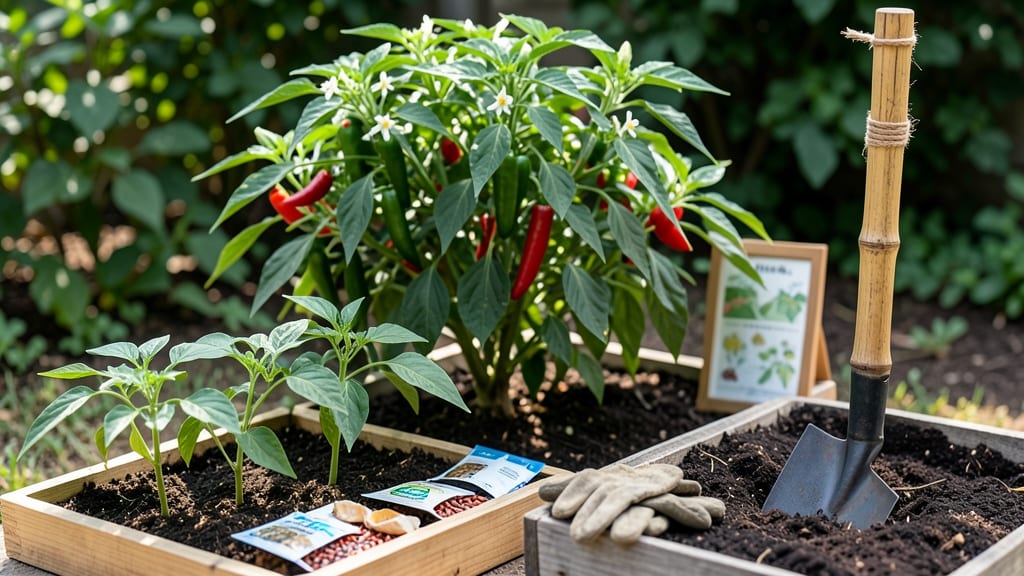
If you're dreaming of growing fiery 🌶️ chillies in your UK garden, timing your planting is the single most important factor to avoid frost damage and ensure a bountiful harvest.
Plant too early, and your tender seedlings will shrivel under unexpected cold snaps; too late, and you’ll miss the growing season entirely.
For UK gardeners in zones 8-9, the perfect window starts indoors between March and early April, with outdoor planting delayed until after the last frost—typically mid-April to mid-May. This strategy gives your chillies the head start they need to thrive before summer’s heat kicks in.
I’ve learned the hard way that rushing the process leads to stunted plants, while patience pays off with robust, heat-packed chillies. Whether you’re a seasoned grower or a first-timer, mastering these timing tricks will transform your garden into a spicy paradise.
Ready to unlock the secrets? Let’s dive into the exact steps to plant your chillies at the perfect moment—no more guesswork, just guaranteed growth.
Best months to plant chillies in the UK for frost-free growth
Timing is everything when growing chillies in the UK. Unlike tropical climates, our cooler summers and unpredictable frost risks demand precision. Plant too early, and a late frost will kill tender seedlings; too late, and your harvest window shrinks dramatically.
The key? Understanding your UK region’s last frost dates and adjusting for microclimates—like urban heat islands or sheltered gardens.
Most UK gardeners agree: April and May are the golden months for planting chillies outdoors. But this varies by region. In Scotland or Northern Ireland, chillies often need a 4-6 week head start indoors due to later frosts.
Meanwhile, southern England growers can sometimes plant outdoors in early April if using cloches or fleece for protection.
Here’s the hard truth: Chillies are not frost-tolerant. Even a light frost (32°F/0°C) can damage leaves, and below 50°F/10°C stunts growth. That’s why I always check the Met Office frost forecasts before planting outdoors—it’s saved my crop more times than I can count!
For indoor starts, begin seeds 8-12 weeks before your last frost date. Use a seed tray with heating mat (around 70-80°F/21-27°C) to ensure germination. Most UK gardeners start seeds in February or March for a May outdoor transplant.
Pro tip: Use grow lights if natural light is weak—chillies need 12-14 hours of light daily to thrive.
Don’t overlook soil temperature. Chillies won’t germinate well in cold soil (<50°F/10°C). Test your soil with a thermometer—if it’s below 55°F/13°C, wait or use black plastic mulch to warm it faster.
I’ve seen gardeners rush planting in March only to watch their seeds rot in damp, chilly soil.
For UK-specific varieties, opt for early-maturing types like ‘Apache’ or ‘Hungarian Wax’, which can handle shorter seasons. Avoid long-season varieties (like ‘Jalapeño’) unless you’re using a greenhouse. Even then, expect a smaller yield compared to tropical climates.
One critical mistake I see often? Planting chillies too close together. Crowding reduces airflow, increasing fungal diseases like powdery mildew. Space plants 12-18 inches apart for dwarf varieties and 24 inches for bushier types. This also makes harvesting easier—no more wrestling with tangled plants!
Finally, remember that microclimates matter. A south-facing wall or greenhouse corner can add weeks to your growing season. I once grew chillies in a cold frame in Manchester and harvested 30% more peppers than my neighbor who planted outdoors without protection. The difference? 5-10°F warmer soil temperatures.
Best months to plant chillies in the UK for frost-free growth
Timing your chilli planting is critical in the UK, where frost risks and short growing seasons can derail your harvest. Most UK gardeners start seeds indoors 8-12 weeks before the last frost date (typically mid-April in most regions).
This means sowing in late February to early March for outdoor planting in May.
For direct sowing outdoors, wait until after mid-May when soil temperatures stay above 15°C (59°F). Southern England’s milder climate allows slightly earlier planting, while Scotland and northern regions may need to delay until late May or June to avoid late frosts.
🌱 Key Rule: Chillies hate cold soil—below 12°C (54°F), seeds won’t germinate, and seedlings will stunt. Use a seed heat mat if starting early indoors.
| Stage | Action | UK Region Timing |
|---|---|---|
| Indoor Seed Start | Sow seeds in trays | Late Feb–Early Mar |
| Seedling Hardening | Acclimate to outdoors | Late Apr–Early May |
| Outdoor Planting | Transplant seedlings | Mid-May (South) / Late May (North) |
| Direct Sowing | Plant seeds outdoors | Late May–Early June |
🌡️ Soil Temp Check: Use a soil thermometer—chillies need 15°C+ to thrive.
If you’re in a cooler microclimate (e.g., near water or in valleys), push planting to June—your chillies may be smaller but still productive. Early varieties like ‘Apache’ or ‘Padron’ are best for short seasons, while longer-season types (e.g., ‘Habanero’) need full summer heat.
Pro UK tip: Check the Met Office’s frost forecast before planting outdoors. Even a light frost can kill young seedlings, so protect with cloches if frost is predicted after transplanting.
For greenhouse growers, you can start seeds as early as January and enjoy earlier harvests. Just ensure your greenhouse stays above 10°C (50°F) at night to prevent stunted growth.