
Plants
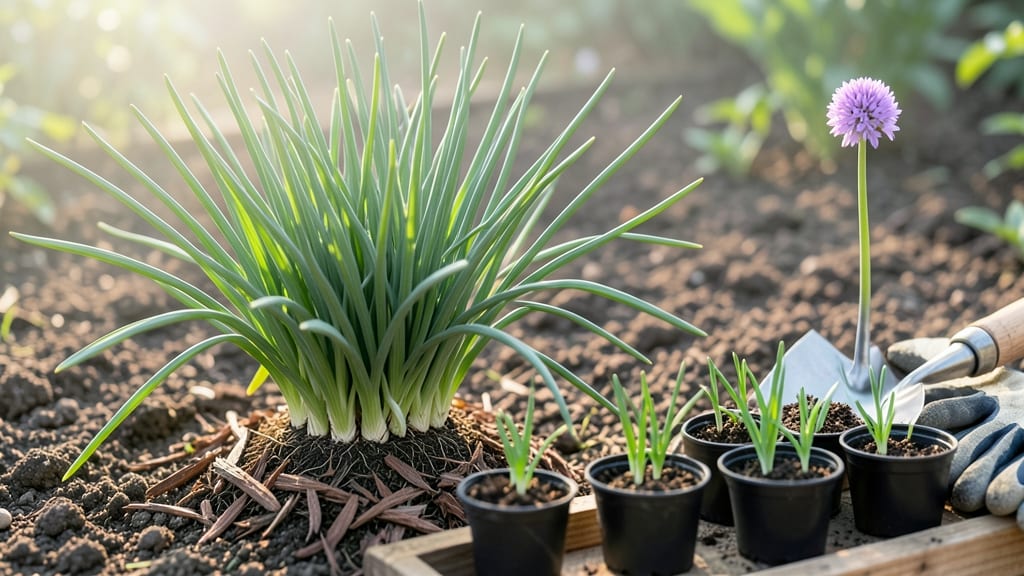
Planting chives in Texas isn’t just about dropping seeds into the ground—it’s about timing them perfectly to dodge frost while locking in a harvest that lasts from spring to fall.
If you miss the ideal window, you’ll either face a sad, frost-nipped crop or watch your chives bolt into flower before you’ve had a chance to snip them for your next recipe.
Here’s the secret: September to October is your golden ticket for fall planting, while late winter (February-March) gives you a head start for spring growth. But Texas isn’t one-size-fits-all—whether you’re in North Texas (Zone 8a) or the balmier South (Zone 10b), the last frost date shifts everything.
Let’s break down the exact months that work for your region, plus how to keep your 🌿 chives thriving through Texas’ infamous heat spikes and cold snaps.
You’ll also discover how to stretch your harvest with succession planting, whether you’re growing chives in containers or straight into the soil. No more guessing—just a foolproof plan to enjoy fresh chives year-round, from the first snips in March to the last harvests before November’s chill sets in.
Ready to turn your Texas garden into a chive powerhouse? Let’s get started with the timing that actually works for your zone—and keep those flavorful green stalks coming back stronger every season.
Best planting months for chives in Texas by hardiness Zone
Texas’s diverse climate means chives thrive in different zones—from North Texas’s chilly winters to South Texas’s mild winters. The key is planting 4-6 weeks before the last frost or in early fall to avoid bolting. Let’s break it down by zone.
Chives are perennial herbs, but Texas’s extreme heat and occasional freezes demand precise timing. In Zone 7a (North Texas), plant in late February to March for spring harvests or September to October for winter greens. In Zone 10b (South Texas), you can plant year-round, but fall is ideal.
🌱 Chives Planting Guide by Texas Zone
| Zone | Last Frost Date | Best Planting Window | Survival Tip |
|---|---|---|---|
| 7a (North Texas) | February 15 | Late Feb–March or Sept–Oct | Use mulch for winter protection |
| 8a (Central Texas) | January 31 | Feb–March or Sept–Oct | Plant near shade structures |
| 9a (Hill Country) | January 15 | Year-round (fall preferred) | Water deeply in summer |
| 10b (South Texas) | None (mild winters) | Fall or Spring | Use shade cloth in peak heat |
For North Texas (Zone 7a), aim for late February to avoid late frosts.
In Central Texas (Zone 8a), you have a slightly longer window—plant in early February or September for winter harvests. South Texas (Zone 10b) gardeners can plant anytime, but fall ensures stronger roots before summer’s heat.
Texas’s unpredictable weather means succession planting is a game-changer. Sow new chives every 4 weeks from February to October to ensure a continuous harvest. This works especially well in containers, where you can move them to shadier spots during summer.
If you’re in Zone 7a or 8a, protect young plants with row covers during unexpected cold snaps. In higher zones, focus on soil moisture—chives bolt faster when stressed by drought. A 2-inch layer of mulch keeps roots cool and moist.
For container growing, use pots with drainage holes and plant in well-draining soil. Containers warm up faster in spring, so start them indoors 6-8 weeks before the last frost. Move them outside gradually to harden off.
Texas’s long growing season lets you harvest chives year-round if you plan ahead. In North Texas, focus on fall and spring plantings. In South Texas, you can harvest almost any month, but summer heat may reduce flavor.
Always harvest leaves when they’re 6-8 inches tall for the best taste.
Pro tip: Label your chives! They look like grass until they flower, and you’ll want to protect them from accidental trimming. Use bright plant markers or painted rocks for visibility.
Finally, adjust for microclimates. A shady spot near a building may stay 5°F warmer than your open garden. Use this to your advantage—plant chives in warmer microclimates earlier for earlier harvests.
Best planting months for chives in Texas by hardiness Zone
Texas spans USDA Zones 7a-11, meaning your last frost date varies wildly—from January 1 in South Texas to March 15 in the Panhandle. Chives thrive when planted 4-6 weeks before the last frost or in early fall for a late-winter harvest.
Here’s the breakdown by zone to avoid frost damage or summer bolting.
For North Texas (Zones 7a-8a), aim for late February to early March planting. This gives chives time to establish roots before spring heat spikes. In Central Texas (Zones 8b-9a), January to February works perfectly—cooler winters mean less risk of frost.
South Texas (Zones 9b-11) gardeners have the easiest time: plant November to January for year-round harvests. The mild winters let chives grow steadily without bolting. However, avoid summer planting—Texas heat causes chives to bolt prematurely.
🌿 Texas Chive Planting Guide by Zone
| Zone | Best Planting Window | Last Frost Date | Key Tip |
|---|---|---|---|
| 7a (Panhandle) | Late March - Early April | March 15 | Use row covers for early spring |
| 8a (North) | Late February - Early March | February 15 | Plant in raised beds for warmth |
| 8b-9a (Central) | January - February | January 15 | Fall planting for winter harvests |
| 9b-10a (South) | November - January | None (frost-free) | Plant in partial shade to avoid bolting |
| 10b-11 (Deep South) | Year-round (best in fall) | None | Container gardening ideal for heat |
Pro tip: Succession plant every 3-4 weeks in spring for a continuous harvest. Start with seeds or transplants—chives grow quickly but need well-draining soil to prevent rot. If your soil is heavy clay (common in East Texas), amend with compost or sand before planting.
For container gardening, plant chives in 5-inch pots with drainage holes. Move containers to partial shade during 100°F+ days to prevent bolting. In North Texas, use black plastic mulch to warm soil faster in early spring.
Remember: Chives are hardy perennials in Texas, but first-year plants need extra care. After establishing roots, they’ll regrow yearly with minimal effort—just trim back in late summer to encourage new growth before winter.