
Plants
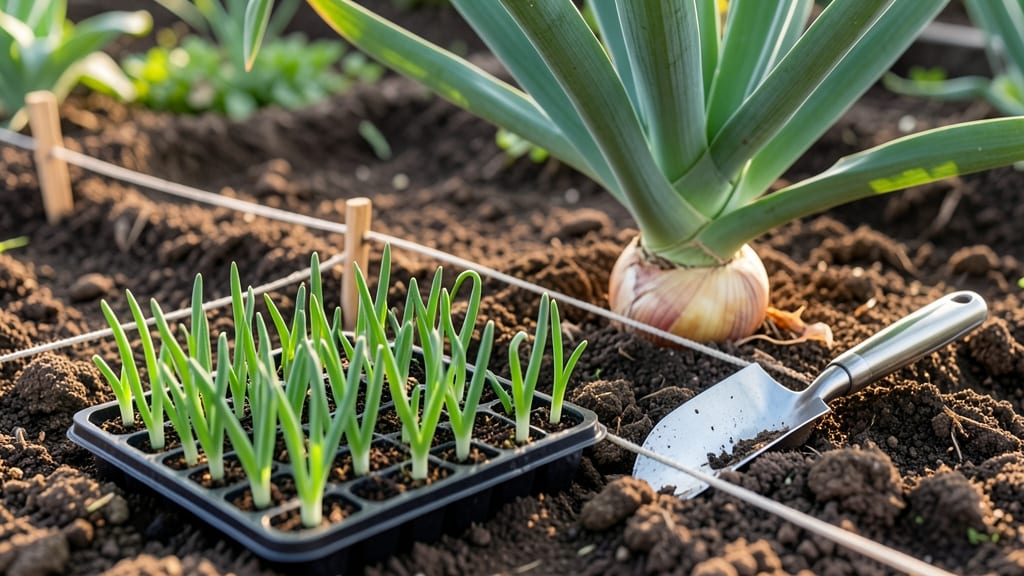
Timing your 🧅 onion planting in North Carolina isn’t just about following a calendar—it’s about outsmarting the region’s tricky frost dates. Plant too early, and a late freeze could turn your tender seedlings into sad, wilted memories. Too late, and you’ll miss the sweetest, most flavorful bulbs of the season.
Here’s the secret: whether you’re starting from seed or sets, the best window is narrow but packed with potential. Spring plantings need to happen 4-6 weeks before your last frost date, while fall plantings should go in August to September for a second harvest before winter sets in.
The key is knowing your local frost dates—whether you’re in the Coastal Plain, Piedmont, or Mountains.
I’ve grown onions in North Carolina for years, and I’ll show you exactly how to time your plantings for zero frost surprises. From soil prep to spacing, we’ll cover everything you need to turn your garden into a bountiful onion patch—no guesswork required.
Ready to grow onions that actually survive the season? Let’s dive into the perfect planting schedule tailored just for your part of North Carolina.
North Carolina onion planting calendar: frost dates and ideal months
North Carolina’s diverse climate—from the Coastal Plain to the Mountains—means onion planting times vary dramatically. The last frost date typically ranges from mid-March in the Piedmont to early April in the Mountains, while the first frost arrives between mid-October and early November.
These differences dictate whether you’ll plant for a spring harvest or a fall harvest, with each strategy offering unique advantages.
For spring-planted onions, aim to sow seeds or sets 4-6 weeks before your last frost date. This usually lands in February for Coastal NC and March for the Mountains.
If you miss this window, don’t panic—fall planting (August-September) can yield a second harvest before winter sets in. The key is understanding your USDA Zone (7a-8b) and adjusting accordingly.
Green onions, or scallions, are more forgiving—they tolerate light frosts and can be sown as early as January in milder zones or February in colder areas. Their quick 60-90 day maturity makes them ideal for succession planting throughout the season.
For bulb onions, however, timing is critical to avoid bolting (flowering prematurely) or frost damage.
| Region | Last Frost Date | First Frost Date | Spring Planting Window | Fall Planting Window |
|---|---|---|---|---|
| Coastal Plain (Zone 8a) | Mid-March | Early November | February | August-September |
| Piedmont (Zone 7b) | Early April | Mid-October | March | Late August |
| Mountains (Zone 6b) | Early April | Early October | March-April | Late July-August |
If you’re planting from seed, start indoors 8-10 weeks before your last frost to give seedlings a head start. Transplant them outdoors once they’ve developed 2-3 true leaves and soil temperatures reach 50°F (10°C).
For sets (small bulbs), plant them directly into the garden 2-3 weeks before your last frost—they germinate faster than seeds and are less prone to damping off.
For fall harvests, plant sets in late summer (August) so they mature before first frost. This method works best for short-day varieties like ‘1015Y Yellow’ or ‘Red Creole,’ which thrive in NC’s climate.
Avoid long-day varieties like ‘Sweet Sandwich’ for fall planting—they’ll bolt before forming bulbs. Always choose varieties labeled for your region to maximize success.
Soil temperature plays a crucial role—onions prefer 50-65°F (10-18°C) for optimal germination. Use a soil thermometer to monitor conditions, especially in cooler mountain regions. If soil is too cold, delay planting until temperatures rise.
Conversely, if you’re in a warmer Coastal zone, you can plant as early as January for green onions or February for bulbs.
Pro tip: Mark your planting dates on a calendar and track frost alerts from the NC State Climate Office. Their frost prediction maps are invaluable for adjusting your schedule.
For example, if a late frost is forecasted in April, delay planting until after the threat passes to avoid frost damage to tender seedlings.
Remember, onions are perennial in NC’s climate, but they’re typically grown as annuals for larger bulbs. If you leave them in the ground, they’ll bolting the following spring.
For the best results, harvest bulbs when the tops yellow and fall over—usually 100-120 days after planting, depending on the variety. This timing ensures you capture the sweetest, most flavorful onions before they split or rot.
🌱
North Carolina onion planting calendar: frost dates and ideal months
North Carolina’s three distinct climate zones—Coastal Plain, Piedmont, and Mountains—each have unique last frost dates that dictate your onion planting schedule. Coastal areas like Wilmington typically see their last frost around March 15, while mountain regions like Boone may not warm up until April 15.
This 6-week difference means your planting window shifts dramatically depending on elevation.
For spring planting, aim to sow onion seeds or sets 4-6 weeks before your last frost date. In the Piedmont (USDA Zone 7b), this means mid-February to early March.
Mountain gardeners should wait until late March, while Coastal gardeners can start as early as January under row covers. Fall planting for a late-summer harvest works best in August to early September, giving bulbs time to mature before frost.
| Region | Last Frost Date | Spring Planting Window | Fall Planting Window | Harvest Time |
|---|---|---|---|---|
| Coastal Plain (Zone 8a) | Mid-March | January–February | August–early September | May–June (spring) / August–September (fall) |
| Piedmont (Zone 7b) | Early April | Mid-February–March | Late August–September | May–June (spring) / September (fall) |
| Mountains (Zone 6b) | Late April | Late March–April | Late August–early September | June (spring) / September (fall) |
Green onions and shallots are more frost-tolerant than bulb onions, so you can plant them 2-3 weeks earlier in spring or 1-2 weeks later in fall. These varieties thrive even when temperatures dip to 25°F, making them ideal for succession planting throughout the season.
For bulb onions, prioritize short-day varieties like ‘Candy’ or ‘Texas Early White’—they mature faster in NC’s heat and avoid bolting.
Use local frost date resources like the NC State Extension’s Frost/Freeze Forecast to fine-tune your schedule. My go-to trick is planting a test row in late February (Coastal) or March 15 (Piedmont) to gauge soil warmth.
If seedlings emerge in 10 days or less, your timing is perfect—if not, wait another week.
For fall harvests, plant onion sets in late August (Coastal) or early September (Mountains). Use black plastic mulch to warm the soil and accelerate growth. In Zone 7b Piedmont, I’ve had success with ‘Red Baron’ onions planted in mid-August—they mature by early October before frost hits.
Pro tip: Mark your calendar for April 15 (Coastal) or May 1 (Mountains) as your last call for spring planting.
After that, your onions may bolt or produce small bulbs. Fall planting should wrap up by September 15 to ensure harvest before first frost—usually mid-October in the Piedmont. 🌱