
Plants
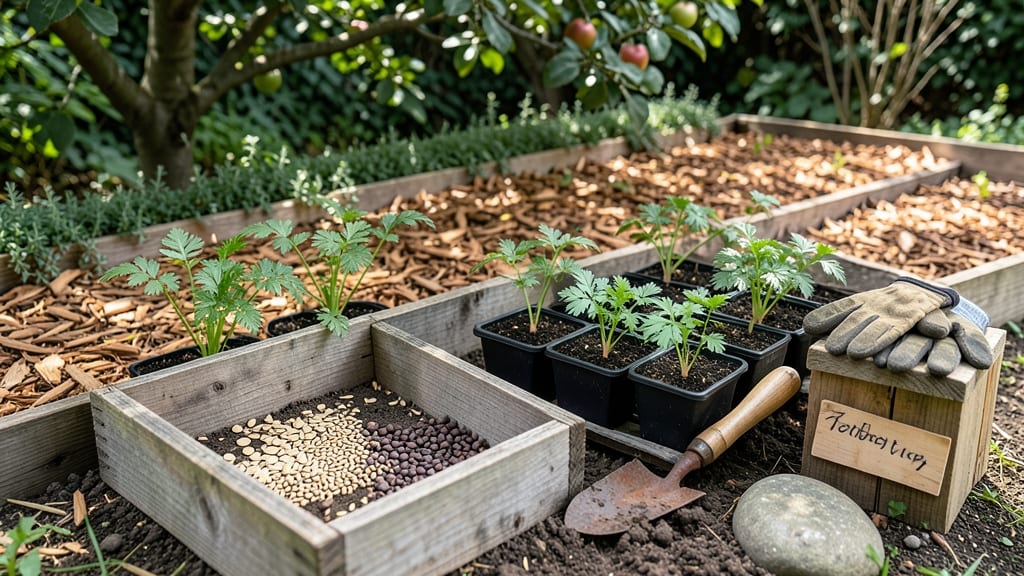
Planting carrots in Idaho at the wrong time can turn your crisp, sweet harvest into bitter, stringy disappointment—or worse, seeds that never sprout. The secret to success lies in understanding your USDA Zone 4-7 climate, where soil temperatures and frost dates dictate the perfect planting windows.
If you’ve ever stared at your garden calendar wondering, "Why won’t these carrots grow?" the answer likely lies in timing. Idaho’s unpredictable swings from frost to heat mean planting too early or too late can trigger bolting (those unappetizing flower stalks) or stunted growth.
But don’t worry—I’ve got the exact soil temperature triggers and regional adjustments to help you avoid these pitfalls.
In this guide, you’ll discover the ideal planting dates for both spring and fall, soil prep tricks to ensure straight, tender roots, and how to stretch your harvest with succession planting.
Whether you’re in Boise’s urban gardens or the high desert of Twin Falls, these strategies will give you a continuous supply of homegrown 🥕 from June through November.
Ready to ditch the guesswork? Let’s break down the science-backed schedule that’ll turn your Idaho garden into a carrot lover’s dream.
Idaho carrot planting calendar: soil temperature triggers by region
Timing your carrot planting in Idaho isn’t just about the calendar—it’s about soil temperature. Carrot seeds need consistent warmth (50-60°F) to germinate, but Idaho’s microclimates create big differences between regions.
In Boise’s Zone 7, you might plant weeks earlier than in Coeur d’Alene’s Zone 5, where late frosts linger. Let’s break down the perfect windows for your area.
Start by checking your last frost date. Most of Idaho sees its final frost between April 15 and May 1, but high-altitude areas like Sun Valley (Zone 4) can delay planting until early May.
For spring plantings, aim to sow seeds 2-3 weeks before your last frost—typically mid-March to late April in lower elevations. Fall plantings should happen 8-10 weeks before your first frost (usually September 1-October 15).
Here’s how Idaho’s regions stack up for optimal planting windows and soil temperature triggers:
| Region | USDA Zone | Spring Planting Window | Soil Temp Trigger | Fall Planting Window |
|---|---|---|---|---|
| Boise | Zone 7 | March 15 - April 15 | 50-60°F (consistent) | September 1 - October 1 |
| Coeur d’Alene | Zone 5-6 | April 1 - April 30 | 55-60°F (warmer soil) | August 15 - September 15 |
| Twin Falls | Zone 6-7 | March 20 - April 20 | 50-58°F (moderate) | September 1 - September 30 |
| Sun Valley (High Altitude) | Zone 4 | May 1 - May 15 | 60°F+ (warmer needed) | August 1 - August 30 |
| Moscow | Zone 5 | April 10 - April 25 | 52-58°F (cool soil) | August 20 - September 10 |
Use a soil thermometer to confirm warmth before planting—cold soil can delay germination by weeks. In Zone 7 areas like Boise, you can even start seeds indoors 4-6 weeks before your last frost for an earlier harvest.
For high-altitude gardens, opt for shorter-season varieties (like ‘Paris Market’) to avoid bolting before roots mature.
Pro tip: Plant succession crops every 2 weeks
How to avoid carrot bolting in Idaho’s unpredictable spring
Idaho’s spring frost dates can shift dramatically from year to year, leaving gardeners scrambling to plant carrots at the perfect time. If you sow too early, late frosts will kill tender seedlings. Plant too late, and your carrots may bolt prematurely—sending up bitter, leafy tops instead of sweet roots.
The key to success? Succession planting and understanding your microclimate. In Zone 4 areas (like Coeur d’Alene), wait until soil temps reach 50°F and the last frost has passed—usually mid-to-late May.
For Zone 7 regions (like Boise), you can start as early as late March if you’re prepared to protect seedlings.
🌱 Pro Tip: Use a soil thermometer to track temperatures. Carrot seeds need consistent warmth (55-65°F) to germinate properly. If your soil is too cold, seeds may rot before sprouting.
- Long daylight hours (Idaho’s 14+ hour days in June can trigger bolting)
- Rapid temperature swings (common in spring—avoid planting during 30°F nighttime dips)
- Drought stress (even one dry week can send carrots into survival mode)
To stretch your harvest, plant successive batches every 2 weeks from late April to early June. Use shade cloth (30-50%) over young seedlings if your area gets hot afternoons, which can also trigger bolting.
For high-altitude areas (like Sun Valley, Zone 5), delay planting until after Memorial Day to avoid frost damage.
Choose bolting-resistant varieties like ‘Danvers Half Long’ (60 days to maturity) or ‘Nantes’ (55 days), which handle Idaho’s short growing season better than long-season types. If you’re in a low-desert region (like Twin Falls), opt for ‘Rainbow’ carrots—their colorful roots mature faster in heat.
💧 Watering Hack: Keep soil evenly moist (not soggy) to prevent stress. Mulch with straw or grass clippings to maintain consistent moisture and block weeds. Avoid overhead watering—it can spread fungal diseases like leaf blight, which weakens plants and increases bolting risk.