
Plants
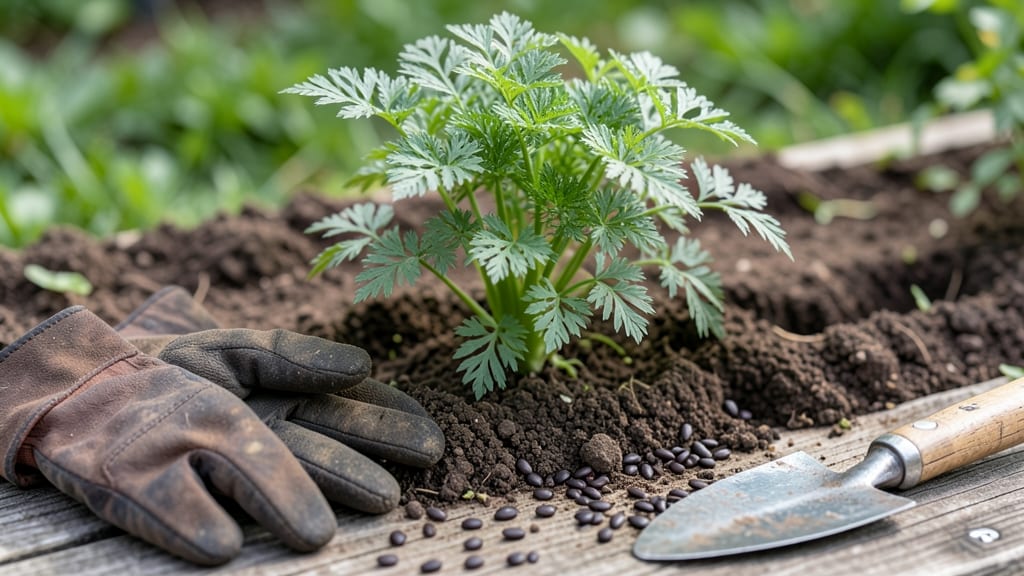
Planting carrot seeds at the wrong time in Zone 7 can turn your garden into a sad, leafy mess instead of a harvest of sweet, crisp 🥕. The key to fast germination and avoiding bolting lies in understanding your soil's temperature triggers—something most gardeners overlook until it's too late.
If you've ever waited impatiently for those tiny seeds to sprout, only to watch them bolt into flower stalks before producing roots, you're not alone. The solution starts with timing: planting when soil temperatures hit that 50-70°F sweet spot for germination, not just when the calendar says "spring."
I'll show you exactly when to put those seeds in the ground for a fast start and a long harvest.
Zone 7 gardeners have two prime windows to work with—early spring and late summer—but each comes with its own challenges.
Whether you're dealing with lingering frost or scorching heat, I'll break down the best months, soil prep tips, and even how to stretch your planting season without risking those dreaded flower stalks.
By the end, you'll know not just when to plant, but how to create ideal conditions for your carrots to thrive. Let's get those seeds in the soil at the perfect moment so you can enjoy homegrown 🥕 all season long.
Zone 7 soil temperature triggers for carrot seed germination (with exact months)
Carrot seeds in Zone 7 need precise timing to germinate properly and avoid bolting.
The sweet spot for soil temperatures is between 50°F and 70°F—too cold, and germination stalls; too hot, and your carrots bolt prematurely. March through April and July through August are your best windows, but let’s break down the exact triggers and how to test your soil for accuracy.
In early spring, aim to plant when soil temperatures consistently reach 55°F—this usually aligns with late March to early April in most of Zone 7. For a fall crop, wait until soil cools to 65°F or below after summer heat peaks, typically mid-July to early August.
Use a soil thermometer to check depths of 1-2 inches where seeds will sit.
If you plant too early, seeds may rot in cold soil. If you wait too long, heat stress triggers bolting—when carrots send up flowers instead of growing roots. Bolting-resistant varieties can help, but timing is still critical. Here’s how to nail it:
| Season | Ideal Planting Window | Soil Temp Range | Bolting Risk |
|---|---|---|---|
| Early Spring | Late March - Early April | 55°F - 65°F | Low (if planted early enough) |
| Late Summer | Mid-July - Early August | 60°F - 70°F | Moderate (watch for heat spikes) |
| Fall | Late August - Early September | 50°F - 60°F | Low (cooler temps reduce risk) |
🌱 Pro Tip: Use black plastic mulch to warm soil faster in spring or shade cloth to cool it in summer.
To test soil temperature, insert a thermometer into the ground where you plan to plant. Morning readings are most accurate because soil cools overnight. If your soil is too cold, wait 1-2 weeks—carrot seeds won’t germinate below 50°F.
If it’s too hot, consider shade cloth or plant in partial shade to lower soil temps by 5-10°F.
Another trick is to plant in succession, staggering seeds every 2 weeks in spring and 3 weeks in fall. This ensures a continuous harvest and reduces the risk of bolting from heat stress.
For example, plant your first batch in late March, then follow up with seeds in early April and mid-April.
Bolting is triggered by long days and heat, so avoid planting in June or July unless you use shade cloth or choose bolting-resistant varieties.
If you notice your carrot tops flowering, harvest immediately—the roots will still be edible but may be tougher. Consistent moisture also helps prevent bolting, so water deeply 1-2 times per week during dry spells.
In Zone 7, the last frost date is around April 15, but don’t rush to plant. Wait until soil warms to 55°F—even if air temps are mild, cold soil will delay germination.
Similarly, for a fall crop, stop planting by mid-September to allow 60-70 days to harvest before frost hits in mid-October.
If you’re unsure about your local frost dates, check the USDA Plant Hardiness Zone Map and your microclimate. South-facing beds warm up faster, while north-facing spots stay cooler longer. Raised beds also warm up quicker in spring, making them ideal for early carrot plantings.
Finally, prepare your soil by removing rocks and clumps—carrots need loose soil to grow straight. Mix in compost for nutrients and improve drainage. Well-draining soil is non-negotiable; otherwise, you’ll end up with forked or misshapen roots.
With the right timing and soil prep, you’ll enjoy crisp, sweet carrots all season long!
How to extend your carrot planting season in Zone 7 without risking bolting
Carrots in Zone 7 thrive when planted at the right time, but succession planting and smart strategies can extend your harvest window. The key is balancing cool soil temperatures with heat avoidance—carrots bolt (go to seed) when stressed by heat or drought.
Here’s how to maximize your yield without sacrificing quality.
Start by planting every 2-3 weeks from early spring through late summer. For example, begin in mid-March (when soil reaches 50°F) and continue until mid-July, stopping 8-10 weeks before your first frost. This staggered approach ensures a continuous supply of fresh carrots from June through October.
Use shade cloth (30-50%) over summer plantings to reduce soil temperature by 10-15°F and prevent bolting. Secure the cloth 3-4 feet above the plants to allow airflow while blocking excess heat. Water deeply in the early morning to keep soil consistently moist—dry spells trigger bolting faster than high temperatures alone.
Pros & Cons of Extending Carrot Season
✅ DO THIS
- Succession plant every 2 weeks for continuous harvests
- Use shade cloth in summer to lower soil temps
- Choose bolting-resistant varieties like ‘Danvers’ or ‘Nantes’
- Water deeply in mornings to prevent drought stress
❌ AVOID THIS
- Plant too late—soil temps above 75°F cause bolting
- Skip succession planting—leads to harvest gaps
- Let soil dry out—carrots bolt faster than from heat alone
- Use high-nitrogen fertilizer—promotes leafy growth over roots
For a fall harvest, focus on late-summer plantings (July-August) using varieties like ‘Rainbow’ or ‘Paris Market.’ These types tolerate cooler soil better and mature quickly before frost. Test soil temperature with a soil thermometer—aim for 60-65°F to avoid bolting while ensuring germination.
Mulch with straw or shredded leaves to maintain even moisture and regulate soil temperature. Remove mulch 2 weeks before harvest to prevent dirt from clinging to carrots. This simple step can double your harvest window while keeping roots crisp and sweet.
Finally, harvest gradually—pull a few carrots every 2-3 days starting when tops reach 3-4 inches (for baby carrots) or 6-8 inches (for full-sized roots). This prevents overcrowding and encourages larger roots in later plantings.
With these tactics, you’ll enjoy homegrown carrots from June through frost—or even longer with a cold frame!