
Plants
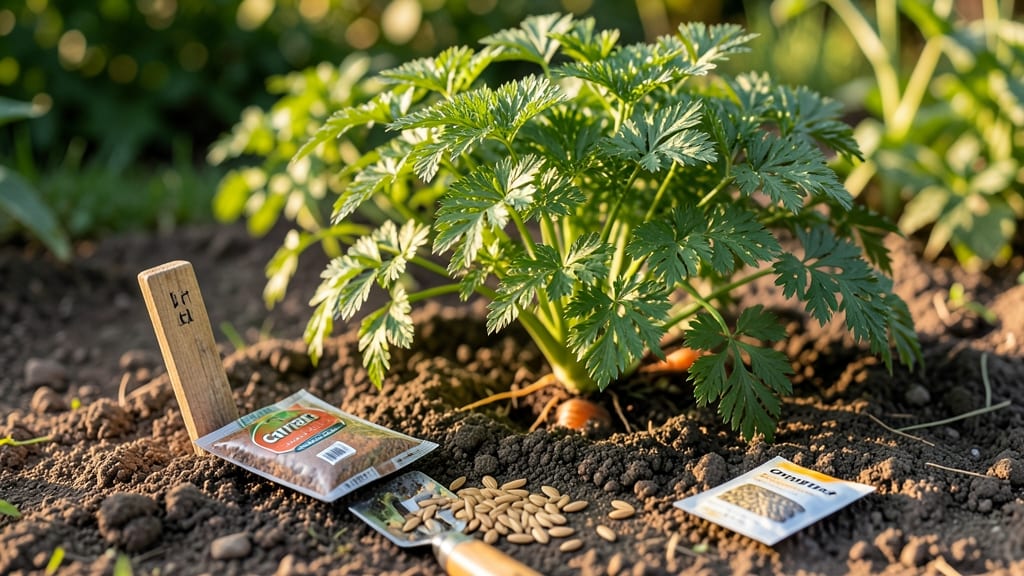
Knowing when to plant carrot seeds in Ohio in the 6a climate means the difference between a bumper harvest of crisp, sweet 🥕 and a garden full of bitter, forked roots.
Plant too early, and frost will nip your seedlings; too late, and summer’s heat sends them bolting before you can enjoy them.
I’ve learned the hard way that Ohio’s unpredictable springs and short growing season demand precision. Whether you’re a first-time gardener or a seasoned green thumb, knowing when to sow—March to April for spring or August to September for fall—sets you up for success.
Let’s break down the best windows to maximize your harvest without the guesswork.
Beyond dates, soil temperature and frost dates play a critical role. Ohio’s last frost typically hits around April 15, but cooler northern regions may need to wait until early May.
Meanwhile, fall plantings must go in 8-10 weeks before the first frost to mature properly. I’ll share how to adjust for your specific zone and avoid common pitfalls.
Ready to grow carrots that rival the grocery store’s best? You’ll also discover how to prep your soil, space seeds correctly, and even extend your harvest with simple tricks. Let’s get those 🥕 growing the right way!
Best planting windows for carrot seeds in Ohio: spring vs fall timing guide
Ohio’s USDA Zone 6a climate creates two prime windows for planting carrot seeds: spring and fall. Getting these timing right ensures your carrots grow sweet and straight instead of bolting or rotting.
I’ve grown carrots in Ohio for years, and I’ve learned that soil temperature and frost dates are the biggest factors in success.
For spring plantings, aim to sow seeds 4-6 weeks before your last frost date. In most of Ohio, this means early April to mid-May. Fall plantings should happen 8-10 weeks before the first frost, which typically lands between mid-August and early September.
These windows give your carrots enough time to mature before harsh weather sets in.
Here’s a quick breakdown of Ohio’s frost dates by region to help you fine-tune your timing:
| Region | Last Frost Date | First Frost Date | Ideal Spring Planting | Ideal Fall Planting |
|---|---|---|---|---|
| North Ohio (e.g., Cleveland, Toledo) | April 10-15 | October 10-15 | Early April - Early May | Mid-August - Late August |
| Central Ohio (e.g., Columbus, Dayton) | April 15-20 | October 15-20 | Mid-April - Mid-May | Late August - Early September |
| South Ohio (e.g., Cincinnati, Lexington) | April 20-25 | October 20-25 | Late April - Early June | Early September - Mid-September |
If you’re in North Ohio, where winters are colder, stick to the earlier dates. South Ohio gardeners have a bit more flexibility due to milder winters. I always check local frost dates from the Old Farmer’s Almanac or my county extension office to double-check before planting.
For spring plantings, wait until the soil temperature reaches at least 50°F (10°C). Cold soil can stunt germination, and carrots won’t sprout well below this temperature. Use a soil thermometer to check—it’s a small investment that pays off with better germination rates.
In fall, aim to plant when daytime temperatures start to cool but nights remain above 40°F (4°C). This usually means late summer into early fall. Fall carrots often taste sweeter because they develop in cooler weather.
Just be sure to harvest before hard frosts hit, or your roots may become woody or split.
One trick I’ve learned is to use short-season varieties for fall plantings. Varieties like ‘Paris Market’ or ‘Little Finger’ mature in just 50-60 days, giving you a harvest before winter sets in. For spring, longer-season varieties like ‘Danvers’ or ‘Chantenay’ do well, taking 70-80 days to mature.
Always prepare your soil by removing rocks and loosening it to a depth of 12 inches. Carrots need deep, well-draining soil to grow straight and avoid forking. In Ohio’s clay-heavy soils, I often mix in compost or sand to improve drainage and prevent misshapen roots.
Finally, keep an eye on your seed packets—they often list days to maturity. Match these with your planting window to ensure a timely harvest.
For example, if you plant ‘Nantes’ carrots on April 15 and they take 70 days to mature, you’ll be harvesting around June 24, just in time for summer salads!
Best planting windows for carrot seeds in Ohio: spring vs fall timing guide
Ohio’s USDA Zone 6a climate offers two prime windows for planting carrot seeds: spring and fall. Each season brings unique challenges, from late frosts to early heat.
I’ve found that timing these plantings correctly can extend your harvest from June to November, giving you fresh carrots for nearly half the year.
For spring plantings, aim to sow seeds 4-6 weeks before your last frost date. In most of Ohio, this means early April to mid-May. Northern Ohio may need to wait until late April due to cooler soils.
Meanwhile, fall plantings should go in 8-10 weeks before the first frost, typically mid-August to early September. This ensures carrots mature before winter sets in.
| Season | Planting Window | Soil Temperature | Harvest Window |
|---|---|---|---|
| Spring | Early April - Mid-May | 50-60°F | June - July |
| Fall | Mid-August - Early September | 60-70°F | October - November |
Soil temperature is critical—carrot seeds need soil at 50-60°F to germinate properly. Use a soil thermometer to check before planting. In Ohio’s clay-heavy soils, warming the ground faster can be tricky. I’ve had success using black plastic mulch a week before planting to raise soil temps quickly.
Regional differences matter too. Southern Ohio’s warmer microclimates can handle slightly earlier spring plantings, while northern areas like Toledo or Youngstown may need to wait until late April.
Always check your local frost dates—Ohio’s average last frost is April 15, but Mother Nature doesn’t always follow the schedule.
For short-season varieties, consider succession planting every 2 weeks in spring to stagger your harvest. This way, you’ll have continuous carrots from June through October. In fall, plant your last batch by September 1st to ensure they mature before the ground freezes.
Pro tip: If you’re in Zone 6a and want to push the envelope, try a cold frame for fall plantings. This can extend your growing season by 3-4 weeks, giving you time to harvest even later into November.
Just be sure to remove it during warm spells to prevent overheating.