
Plants
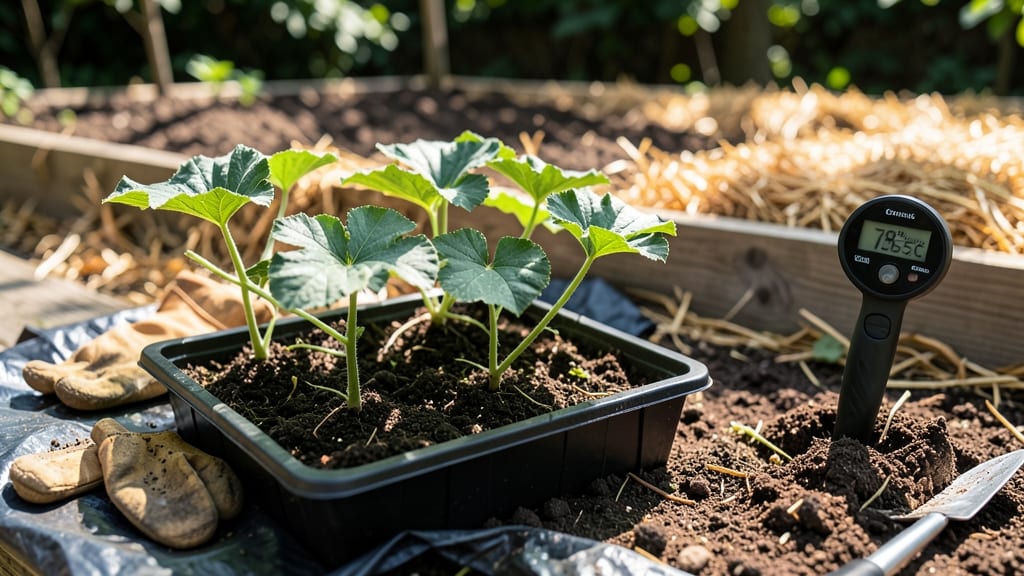
Planting cantaloupe in Zone 9b’s heat isn’t just about timing—it’s about catching that sweet spot between frost-free days and scorching afternoons. Skip the guesswork, and you’ll end up with bitter fruit or no harvest at all, especially when the desert sun turns your garden into an oven by May.
I’ve grown cantaloupe in Phoenix for years, and the fastest, sweetest harvests always start in late February or early March—when soil temps hit 70°F and nights stay above 55°F. Too early, and your plants bolt before they fruit; too late, and the summer heat waves zap their energy.
Let’s break down the exact window (and why direct sowing beats transplants here).
You’ll also discover how to stretch your growing season with shade cloth and mulch—critical tricks for Zone 9b’s 300 frost-free days.
Whether you’re a first-time gardener or a veteran with a few failed melon patches under your belt, these tips will help you grow cantaloupe that’s ripe, sweet, and ready by July.
Ready to turn your backyard into a cantaloupe oasis? The key is patience, precision, and a little desert-smart know-how. Let’s get those seeds in the ground the right way.
Optimal planting windows for cantaloupe in Zone 9b
Zone 9b’s mild winters and scorching summers create a perfect cantaloupe-growing environment—but timing is critical. Plant too early, and your vines may bolt prematurely from cool nights. Plant too late, and you’ll miss the peak harvest window before summer heat peaks.
The sweet spot? Mid-February to early April, when soil temps hit 70°F+ consistently.
Cantaloupe is a warm-season crop that despises cold. Even Zone 9b’s rare late-winter frosts (below 32°F) can kill young seedlings. Start seeds indoors 3-4 weeks before your target outdoor date if you’re transplanting, or direct-sow after last frost risk—typically by mid-March in most of Zone 9b.
Here’s the golden rule: Wait until nighttime temps stay above 55°F and daytime highs exceed 75°F. Use a soil thermometer to confirm 70°F+ soil temps at 2-inch depth. In Phoenix or Palm Springs, this usually aligns with late February to early March.
For fastest harvests, aim for a May-July fruiting window. Cantaloupe matures in 75-90 days, so early April plantings give you the best shot at ripe fruit before summer’s intense heat stress sets in. Varieties like ‘Hale’s Best’ or ‘Athena’ handle Zone 9b’s heat better than standard types.
| Planting Method | Zone 9b Window | Soil Temp Requirement | Key Consideration |
|---|---|---|---|
| Direct Sow Seeds | Mid-March to early April | 70°F+ at 2" depth | Avoids transplant shock; faster root establishment |
| Transplant Seedlings | Late February to mid-March | 60°F+ (harden off first) | Gives head start; better for short seasons |
| Successive Plantings | Every 2 weeks until May 1 | 70°F+ | Staggered harvests; avoids bolting |
🌱 Zone 9b Planting Timeline
If you’re in cooler microclimates within Zone 9b (like higher elevations in Southern California mountains), push planting back to early April. Conversely, in desert lowlands (e.g., Yuma, AZ), you can start as early as late January under row covers to protect from rare cold snaps.
Pro tip: Use black plastic mulch to warm soil faster. Lay it down 2-3 weeks before planting to accelerate soil temperature rise. This lets you plant 10-14 days earlier safely. Pair it with drip irrigation to maintain consistent moisture without wetting leaves (which invites powdery mildew).
For container growing, use 5-gallon pots with fast-draining mix. Plant in early April and move containers to partial shade by June to prevent heat stress. Varieties like ‘Tasty Jewel’ perform well in containers but need daily watering in summer.
Miss the spring window? Don’t despair—Zone 9b’s fall planting can work too! Try late August to early September plantings for a winter harvest (though fruit may be smaller and less sweet due to shorter days). Use shade cloth (30%) to protect seedlings from intense afternoon sun.
Remember: Cantaloupe hates competition. Space plants 3-4 feet apart in rows 5-6 feet apart to ensure good airflow and sun exposure. In small gardens, trellis vines to save space—but beware: cantaloupe fruits are heavy and may need additional support as they ripen.
Optimal planting windows for cantaloupe in Zone 9b
Zone 9b’s mild winters and long summers create perfect conditions for cantaloupe—but timing matters. Plant too early, and your vines may bolt prematurely from cool nights. Wait too long, and you’ll miss the late-spring heat needed for fast ripening.
For direct sowing, aim for mid-March to early April when soil temps hit 70°F+. Nighttime lows should stay above 55°F to prevent stunted growth. If you’re transplanting seedlings, start them indoors 4-6 weeks before your last frost date (January 15 in Zone 9b).
| Stage | Action | Notes |
|---|---|---|
| Soil Prep | Test pH (6.0-6.8) | Add compost for fertility |
| Direct Sow | Mid-March to April | Wait for 70°F+ soil |
| Transplant | Late March to April | Hardening off seedlings |
| Harvest | May to July | 75-90 days after planting |
In Phoenix or desert regions, where nights stay warm, you can push planting to early February for an earlier harvest. However, avoid planting after mid-April, as summer heat can stress young plants before they establish roots.
Use black plastic mulch to warm soil faster in early plantings. This trick helps jumpstart growth in cooler-than-average springs. For late plantings, opt for heat-tolerant varieties like ‘Athena’ or ‘Hale’s Best’, which handle Zone 9b’s intensity better.
Pro tip: Monitor soil temperature with a probe—cantaloupe roots need warmth to thrive. If your mornings still dip below 60°F in March, delay planting until nighttime lows stabilize above 55°F consistently.
Remember, cantaloupe grows fastest when days are long and hot. Planting in late March ensures you’ll have ripe fruit by June or July, just as summer heat peaks—perfect timing for sweet, juicy melons.