
Plants
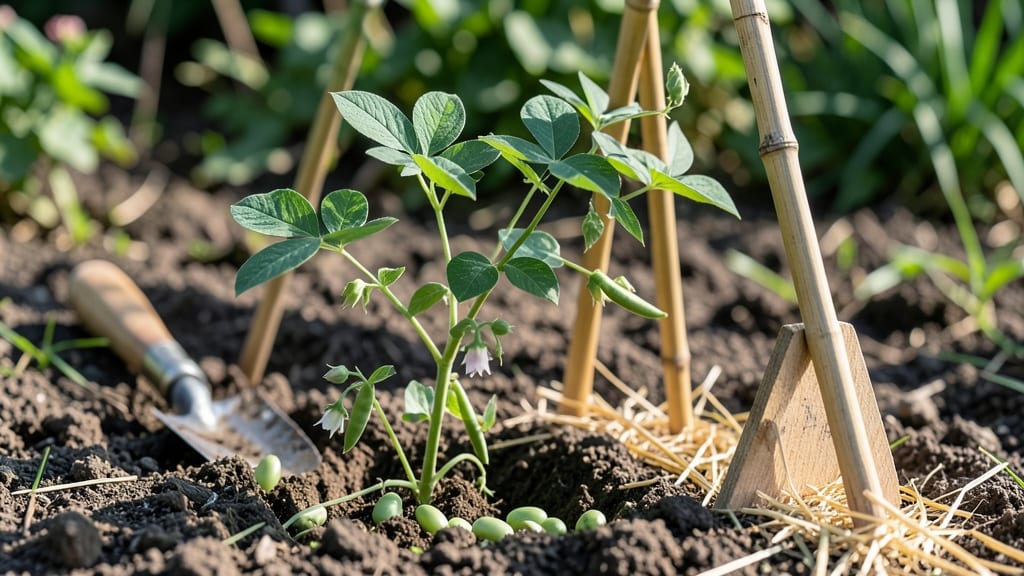
Planting English peas 🌱 at the wrong time in Zone 8 can mean the difference between a bountiful harvest and a sad, wilted failure—because these cool-weather lovers bolt in heat.
I’ve learned the hard way that timing isn’t just about seasons; it’s about avoiding those sweltering summer months when peas throw in the towel.
Most gardeners in Zone 8 focus only on spring planting, but fall offers a second chance—if you know the tricks. The key is understanding your local frost dates and choosing varieties that can handle Zone 8’s unpredictable swings.
Let me walk you through the exact windows (and what to avoid) to keep your peas thriving from seed to pod.
You’ll discover why early spring and late fall are your best bets, how to stretch your growing season with shade tricks, and which companion plants keep pests at bay. No more guessing—just a foolproof plan to turn your garden into a pea powerhouse.
Ready to skip the trial-and-error? I’ll share my top varieties for Zone 8, soil prep secrets, and even how to time your harvest for peak tenderness. Let’s get those peas in the ground the right way.
Best planting times for English peas in Zone 8: frost-free window guide
English peas (Pisum sativum) are cool-season crops that struggle in Zone 8’s summer heat, so timing is everything. The ideal window is 6-8 weeks before your last expected frost (typically February to early March) for spring planting, or late summer (August-September) for a fall harvest.
In Zone 8, where winters are mild, fall planting can yield a second crop before frost arrives.
Check your local average last frost date—most Zone 8 areas experience it around March 15. For spring peas, aim to plant 4-6 weeks before this date.
Fall crops should go in 8-10 weeks before the first frost (usually November 15), giving them time to mature before winter chill sets in.
Soil temperature is another critical factor. Peas germinate best in soil between 40°F and 85°F, but they thrive in 50°F-70°F. Use a soil thermometer to confirm readiness—if temps dip below 40°F, germination slows dramatically.
In Zone 8’s warmer microclimates, morning shade can help maintain cooler soil temps during early spring plantings.
| Planting Window | Zone 8 Timing | Soil Temp | Key Notes |
|---|---|---|---|
| Spring Planting | February–Early March (4-6 weeks before last frost) | 50°F–70°F | Use cold-hardy varieties; avoid planting when soil temps exceed 85°F. |
| Fall Planting | August–September (8-10 weeks before first frost) | 55°F–75°F | Extend season with row covers; harvest before temps drop below 30°F. |
| Succession Planting | Every 2–3 weeks (spring) or 3–4 weeks (fall) | 50°F–65°F | Stagger plantings for continuous harvest; avoid overlapping with heat waves. |
Microclimates play a huge role in Zone 8. Coastal areas (like San Diego) may have earlier frost-free windows, while inland zones (like Phoenix) can push planting into late winter.
For example, if your area’s last frost is March 30, plant spring peas by February 15. Use the National Weather Service’s frost calendar or local gardening groups for precise dates.
Peas also benefit from cool nights. In Zone 8’s warmer evenings, consider shade cloth (30-50%) during peak afternoon sun to prevent bolting (premature flowering). This is especially critical for sugar snap peas, which are more heat-sensitive than shelling varieties.
Test your soil’s pH (6.0–7.5)—peas thrive in slightly acidic to neutral conditions, and amending with compost improves drainage.
Early varieties like 'Early Sugar Pod' mature in 55–60 days, making them ideal for Zone 8’s short cool seasons. Late varieties (70+ days) risk heat stress, so save them for fall plantings. Always soak seeds overnight before planting to speed germination in Zone 8’s warmer soils.
If you miss the ideal window, don’t despair! Container gardening lets you move peas to cooler spots (like garages with natural light) during heat waves. Just ensure pots have drainage holes and use well-draining potting mix to prevent root rot.
Remember: Peas hate heat—once temperatures hit 85°F+, they’ll bolt or produce bitter pods. Plan your harvest to finish by late May for spring plantings or early November for fall crops. With the right timing, you’ll enjoy sweet, tender peas twice a year in Zone 8!
Best planting times for English peas in Zone 8: frost-free window guide
In Zone 8, where winters are mild and summers can be scorching, timing your English pea planting is everything. These cool-weather crops thrive when soil temperatures hover between 40°F and 75°F, making early spring and late fall your best bets.
Plant too early, and frost will damage tender seedlings; too late, and summer heat will cause peas to bolt or produce poor-quality pods.
Most Zone 8 gardeners focus on two planting windows: a fall crop (August-September) and a spring crop (February-March). The key is to plant peas 6-8 weeks before your average last frost date in spring or 8-10 weeks before your first frost in fall.
For most of Zone 8, this translates to mid-February to early April for spring and late August to early September for fall.
| Planting Window | Ideal Soil Temp | Zone 8 Planting Months | Key Consideration |
|---|---|---|---|
| Spring Planting | 40°F - 55°F | February - Early April | Avoid late spring heat; harvest before temps exceed 75°F |
| Fall Planting | 50°F - 65°F | Late August - Early September | Plant early enough for pods to mature before first frost |
| Succession Planting | 40°F - 60°F | Every 2-3 weeks (Feb-Apr) | Extend harvest by staggering plantings |
To pinpoint your exact planting dates, check your local USDA frost dates—they can vary significantly even within Zone 8. For example, Los Angeles might have frost-free dates from mid-December to early February, while Phoenix rarely sees frost.
Use a frost calendar or ask your local cooperative extension office for precise data. Pro tip: If you're unsure, opt for early-maturing varieties (like 'Little Marvel') to minimize heat risk.
Soil temperature is just as critical as air temperature. Peas germinate best when soil is between 40°F and 55°F. Use a soil thermometer to check—if it's cooler than 40°F, wait a week or two.
In Zone 8, this often means planting in February rather than January, even if you're eager to start. Cold, wet soil can lead to rotten seeds or slow, uneven germination.
Microclimates play a huge role in Zone 8. If you're in a cooler microclimate (like near the coast or at higher elevations), you might push spring planting into early March. Conversely, in hot inland areas, aim for late February to avoid the rush of summer.
Always plant peas in a spot with well-draining soil and morning sun to keep them cool. A light shade cloth (30-50%) can also help during hot afternoons.
Remember, English peas are annuals, so they won't survive Zone 8's summer heat. Plan your harvest to finish by late May for spring plantings or early November for fall crops.
If you love fresh peas, consider succession planting every 2-3 weeks in spring to enjoy a steady supply until the heat sets in.